Every day on X, I see hooks about how AI is going to "kill" the production industry. It won’t. AI is a fantastic tool, but it replaces exactly one thing: the actual filming process. Storytelling, scriptwriting, directing, editing, and sound design remain 100% human. At Lava Media, having produced over 900 videos in 13 years, we know that without a "human-in-the-loop," AI content is just digital noise.
While many believe we are at the peak of creative freedom, understanding the current limitations of ai video generation technology is crucial for anyone trying to build a professional brand asset today.
This breakdown of the Higgsfield "Action Contest" highlights the specific production gaps that separate viral brand assets from low-effort glitches. The entries for the higgsfield ai video generator contest provide a perfect laboratory to study where the tech shines and where it falls apart under the pressure of action scenes.
Video Analysis #1: Physics & Spatial Logic
0:12 — Scrambled Elements: During a wire flip, the AI confuses the objects, creating a "pixel mess."
The Fix: If the AI can't handle complex physics, cut the flip. If it doesn’t serve the plot, it’s just visual noise.
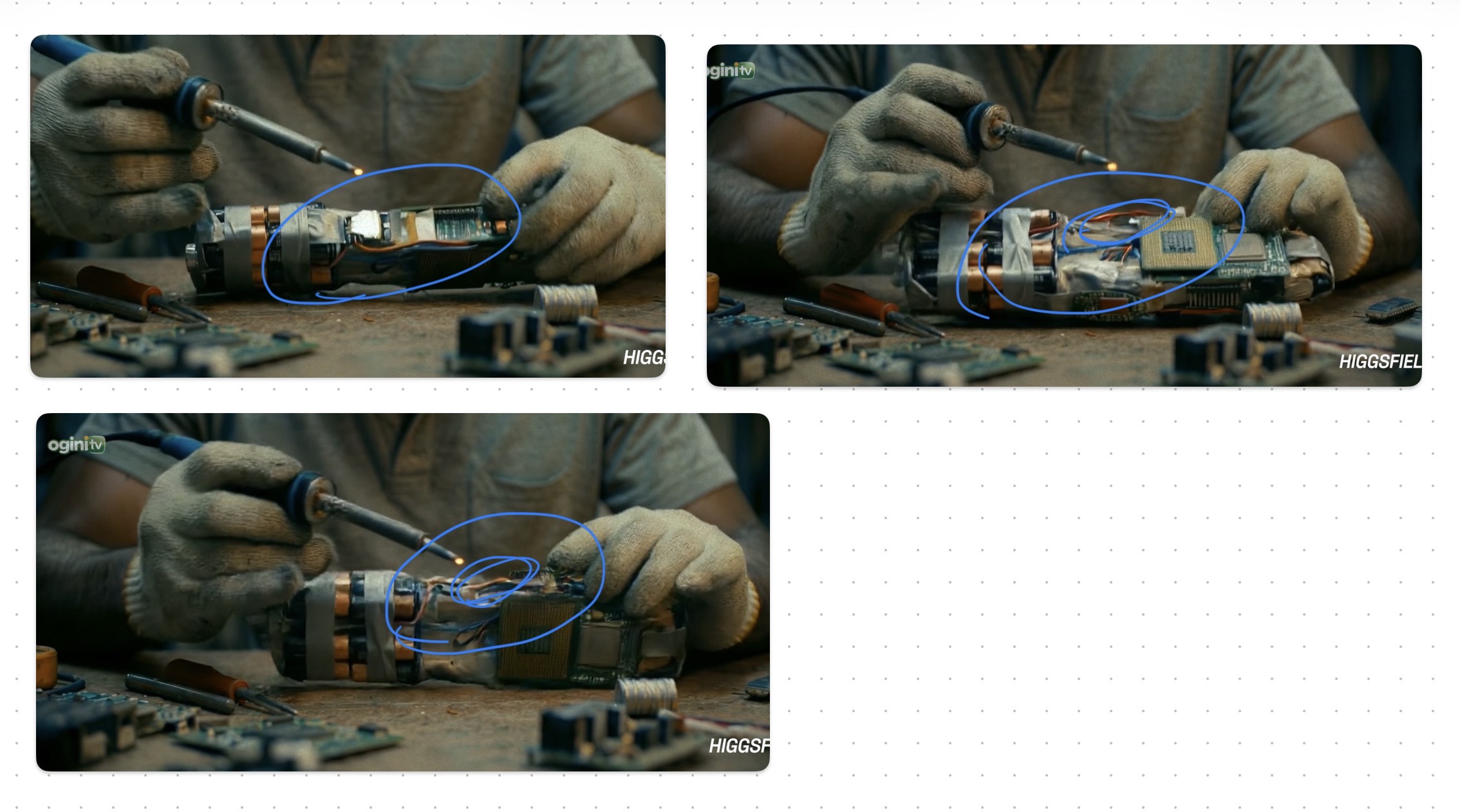
0:45 — The Morphing Bug: A welding tool suddenly materializes into a gun mid-frame.
The Fix: Use a separate shot. End the welding scene and cut to a new angle showing the finished weapon.
0:45 - 1:11 — Broken Spatial Consistency: Characters blow off a roof (top floor), fall through floors, but land back on the top floor.
The Fix: Plan your "world" shot-by-shot. AI doesn't understand 3D space automatically; you must direct the coordinates.
One of the biggest hurdles remains achieving consistent character video ai; when textures melt or armor designs change between frames, the production value drops instantly
Video Analysis #2: Screen Direction & Continuity
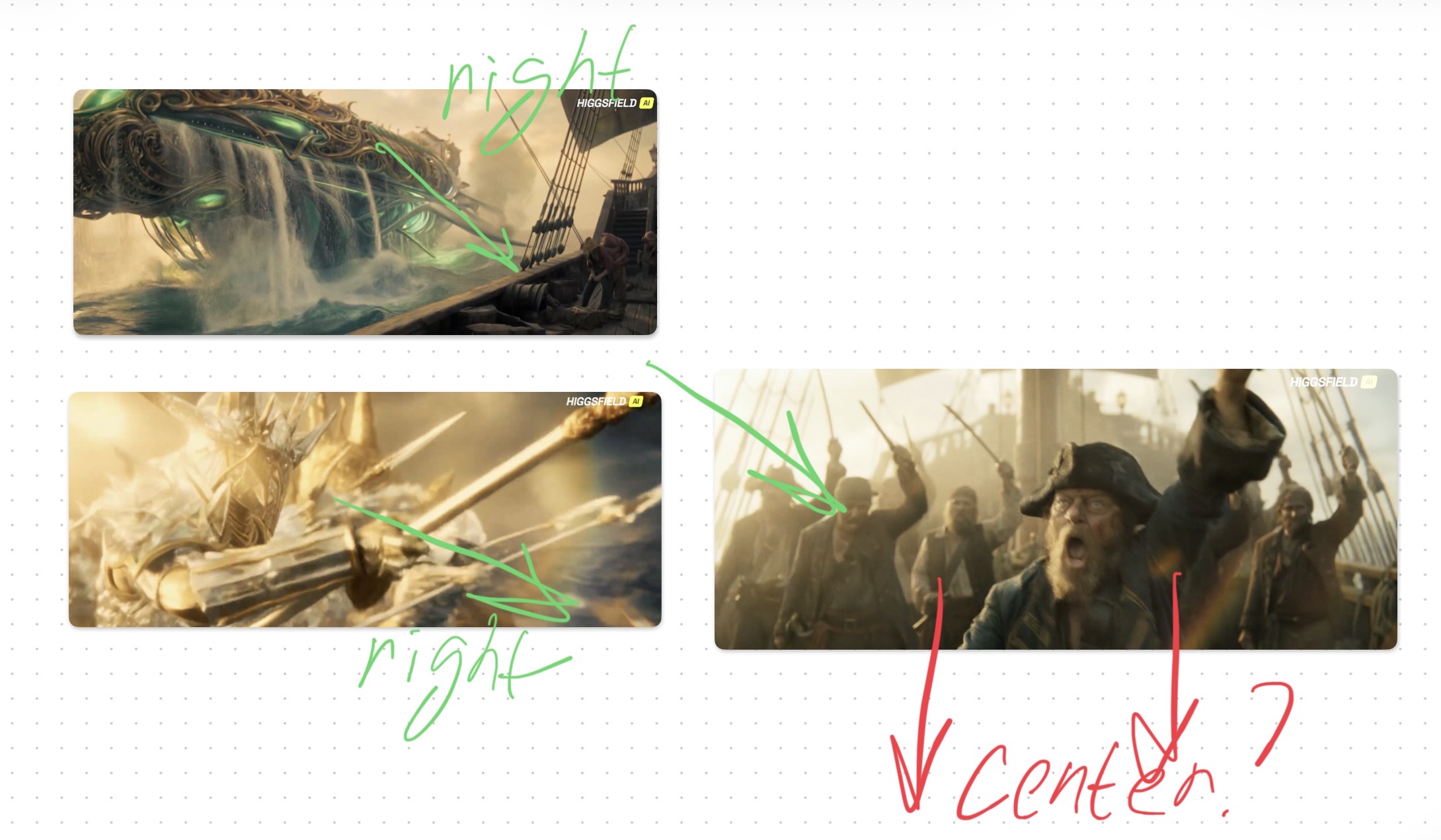
1:29 — Direction Logic: Ships are side-by-side, but the characters jump toward the front (bow) instead of the side.
The Fix: Follow traditional "180-degree" cinematography rules. Movement vectors must align across cuts.
1:46 — Texture "Melting": Fine details on the ship disappear during a fast camera pan.
The Fix: Trim long generations. AI details often "decay" during rapid motion. Keep your shots under 3-4 seconds.
2:44 — Armor Inconsistency: The character’s suit design changes completely between shots.
The Fix: If a scene is vital, it requires a full redo to ensure the "costume bible" is consistent.
Video Analysis #3: The "Pro" Framework (How to win)
This is a perfect example of high-end AI execution. The creator used Smart Shot Selection:
Strategy: Built the entire video on close-ups and wide shots with simple, monochrome backgrounds.
The Result: Because there is zero "visual clutter" for the AI to process, the frames are pixel-perfect with no artifacts.
Video Analysis #4: The Audio Trap
1:07 — The "Metallic" Voice: Even the most advanced ai that adds sound effects to video often produces a 'metallic' or hollow result, which is why manual Foley and human sound design remain non-negotiable
The Insight: This happens when creators generate video and audio simultaneously.
The Fix: Generate voiceovers separately. Use real voice actors or high-end AI speech tools with dedicated lip-syncing for emotional depth.
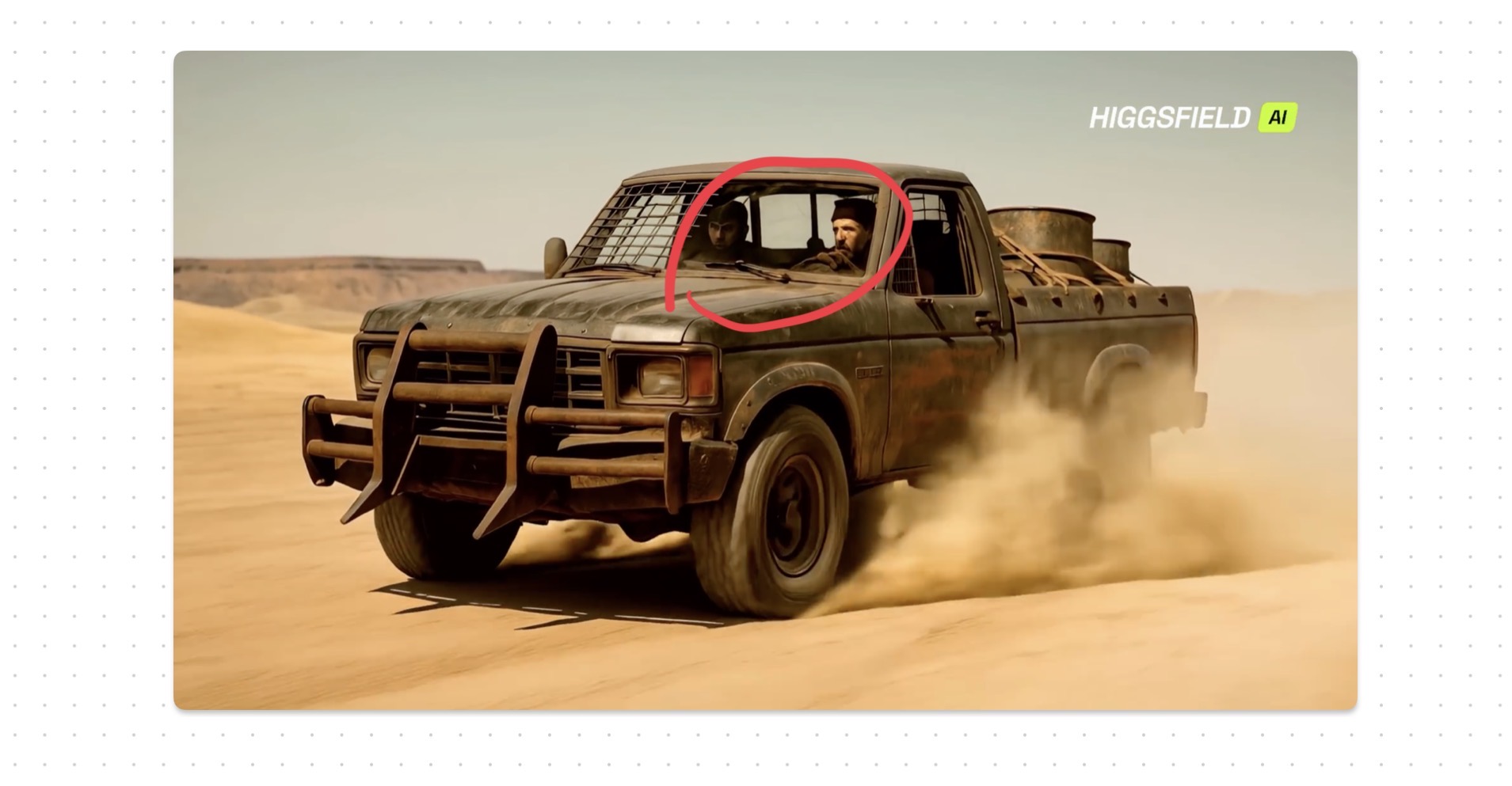
0:42 - The "Face" Trap - it requires a full redo
Video Analysis #5: Storytelling & Sound Design
Key Takeaway: A good story makes the brain "forgive" minor AI flaws. This video succeeds because it focuses on ai driven storytelling—it uses the tool to enhance a coherent narrative rather than just showing off random visual effects.
Human Element: The sound design (SFX) and the pacing of the pauses are spot on. That’s not AI; that’s high-quality manual editing.
Video Analysis #6: The World-Building Disconnect
The Issue: The video jumps from a "Steampunk/Cyberpunk" vibe to a modern-day locker room with a generic hoodie.
The Lesson: You must plan your locations and characters in advance. If the environment doesn't match the costume, the brand identity is lost.
Final Verdict for Brands & Marketers
AI is just a new type of camera. To create a professional brand asset instead of digital trash, follow the Lava Media Framework:
Plan locations and characters before hitting generate.
Direct shots that actually "glue" together logically.
Refine every glitch manually in post-production.
Audio First: Use professional sound design and voice talent.
Ultimately, the battle of ai video generation vs traditional video editing is a myth—they are partners. At our ai video production agency, we use neural networks as a new type of camera, but the 'human' edit is what makes it a final product.