3D Product Animation Services: Visualizing Building Materials for Manufacturers
Industrial 3D Animation & Product Video Services
Services
3D animation
Marketing Goal
Target Audience
Company contractors
Project Timeline
2025
Project Overview
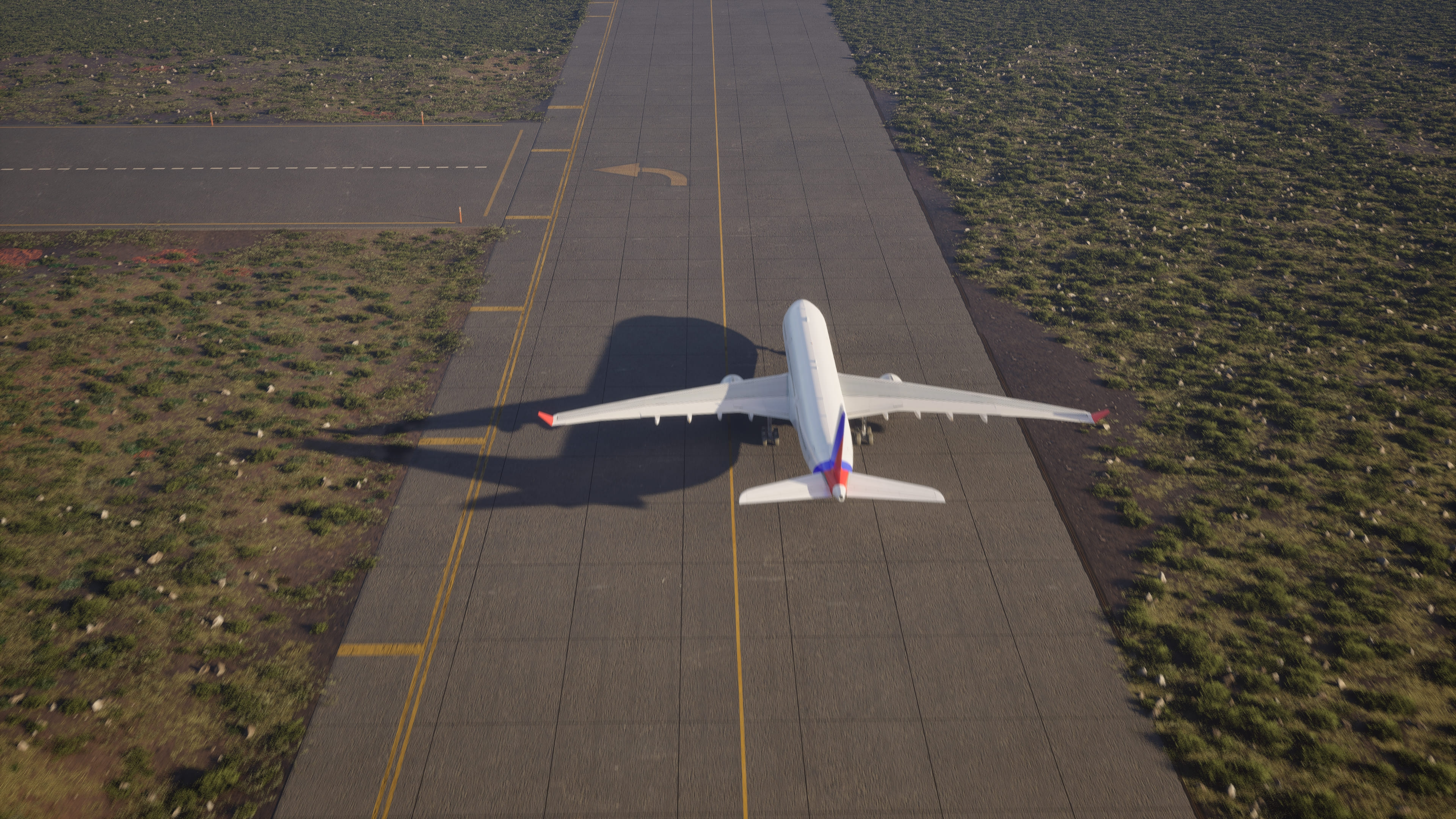
Lava Media provides professional 3D animation services designed for the industrial sector. In this project, we delivered comprehensive 3D product animation services for a leading manufacturer, turning complex building materials into a clear, high-impact visual story. Our 3D video animation services help B2B brands explain their technical advantages with cinematic precision.
Project Execution
The client needed more than just a beautiful render. They required 3d technical animation services to demonstrate how their materials integrate with modern construction systems. We focused on creating 3d machine animation services that show the interaction between production equipment and the final product on-site.
We needed to visually demonstrate a product that, in real life, is hidden under tons of asphalt — turning a technical presentation into a convincing corporate film about the company and its innovations.
Idea №1: A touching story that didn’t fit
The client came with a ready creative concept: a story where a child asks their parents what the father does for work. Through the father’s explanation, the viewer was supposed to learn about the importance of insulation.
It was a warm, emotional idea — but during discussions we realized the audience for this video is business. For them, facts, technology, and results are paramount—a core principle we apply when creating specialized video for construction companies. A complex emotional metaphor simply wouldn’t work. So together with the client, we decided to shift toward a more classic, technically strong approach.
Starting point: one reference that changed everything
The breakthrough moment was a picture the client sent us — a simple cross-section of a road. Eureka! We realized that this is exactly how we needed to show the product: in its natural environment, layer by layer.
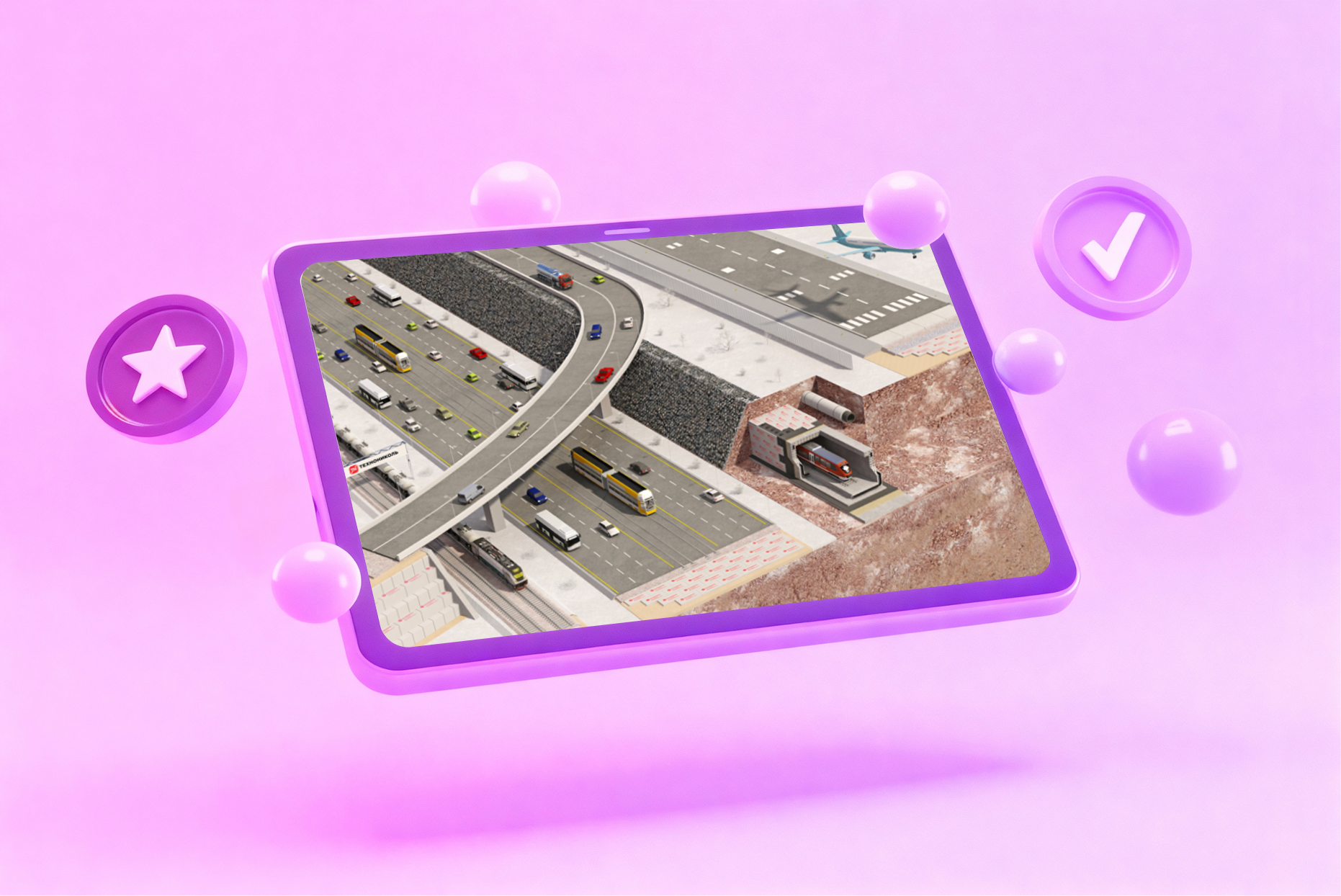
This became the key idea of the future 3D animation: create detailed 3D cross-sections of different surfaces and literally “drop through” them to demonstrate TechnoNICOL’s technology.
Production Brief and seamless transitions
Once the concept was approved, we prepared a detailed Production Brief — the roadmap for the entire project. This document is the foundation of any successful corporate video.
Our art director selected references to define the visual style of the 3D cross-sections: how the layers look, what textures the materials have, how the camera moves.
.png)
.png)
Initially, we proposed a bold idea: a seamless transition from stock footage into 3D.
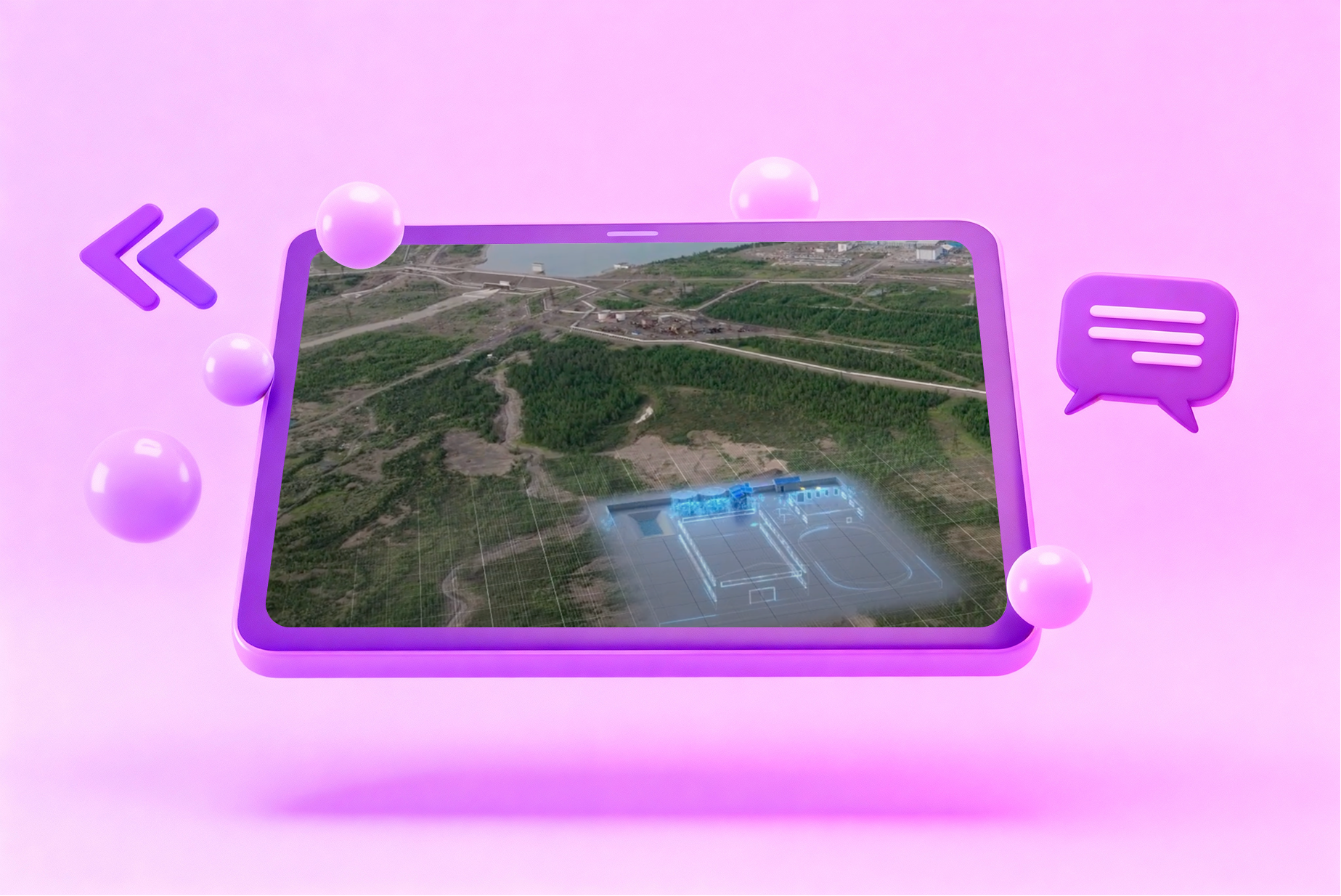
It sounded amazing, but after analyzing the technical side, we understood it would be a production nightmare. To make the transition truly seamless, we would have had to recreate large areas of landscape in 3D from scratch, perfectly matching the stock video. The visual value was not worth the enormous time and resource cost. So we chose a more practical montage instead.
Production stages: from voiceover to 3D
Our corporate film production always follows a clear sequence:
- Voiceover script. We began with a more lyrical text about a “world in motion,” but eventually shifted to a direct, factual style that accurately conveyed the technical advantages of the product.
- Music and rough cut. Using the approved voice and music, we assembled a rough version of the video from stock footage, aligning the pacing before starting 3D work.
- 3D modeling and animation. Only then did we move to the most complex stage — building the 3D scenes.
Behind the scenes of 3D animation
The hardest work unfolded during the 3D stage.
One of the key challenges was to visualize the installation process. Our team specialized in machine installation 3d animation services, providing a step-by-step guide for contractors. Unlike standard 3d industrial plant animation services, we focused on micro-details of the material’s texture and its durability under stress.
First, we experimented with the environment. What surrounds a 3D road cutaway? Just soil? Too boring. We offered the client several options: from clean abstract white or black spaces to more detailed landscapes. After finalizing the style in the first scene, we applied it to the entire video.
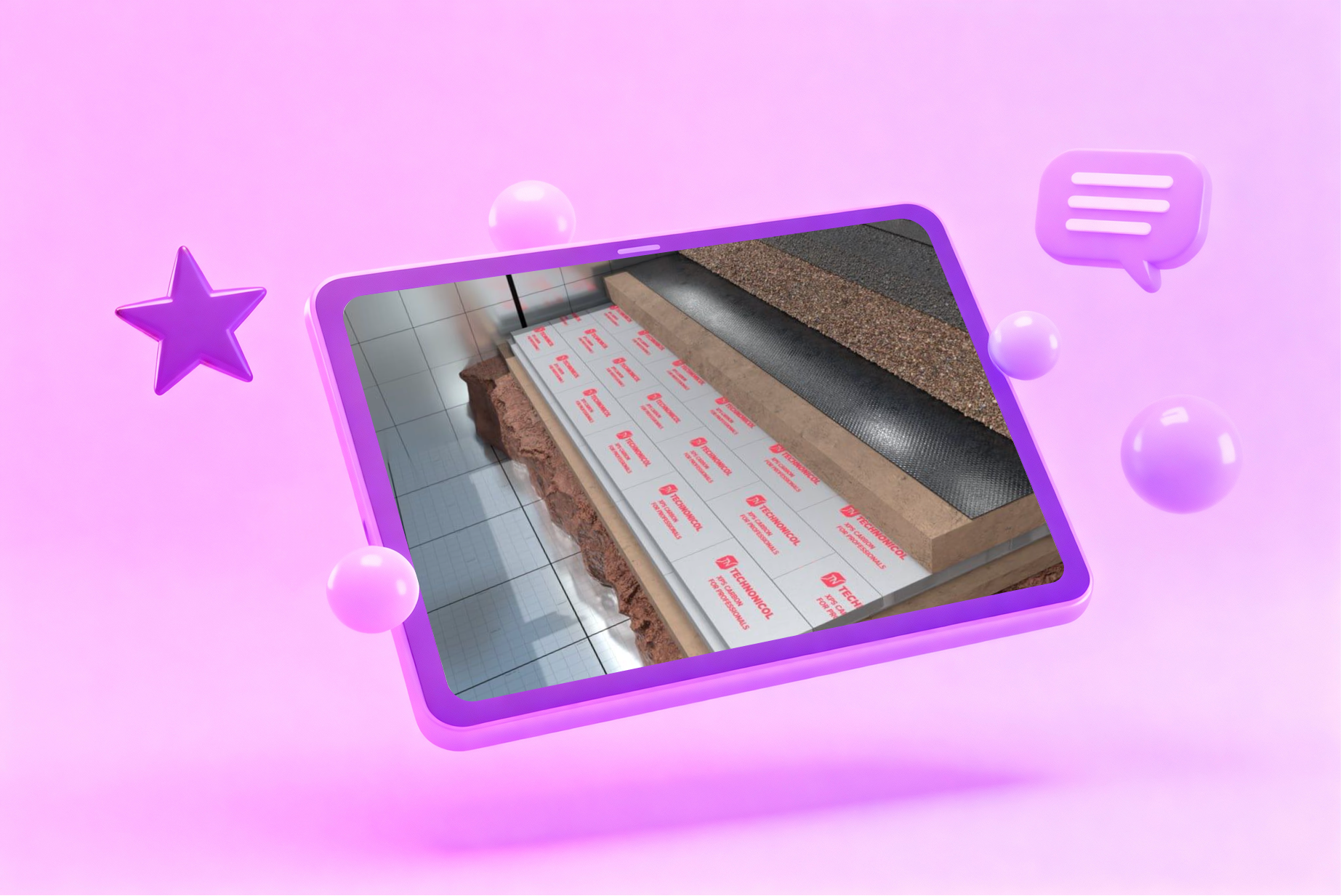
A technical specialist from the client’s side joined the process and became our main guide. We received extremely precise notes:
- “Geotextile must be wider than the XPS boards,”
- “Highlight the joints between boards more clearly.”
In technical 3D animation, it’s important not to let artistic ideas overshadow accuracy — and the expert’s input was priceless.
.png)
A funny moment occurred when we worked on the railway scene. Our first version looked like the Wild West.
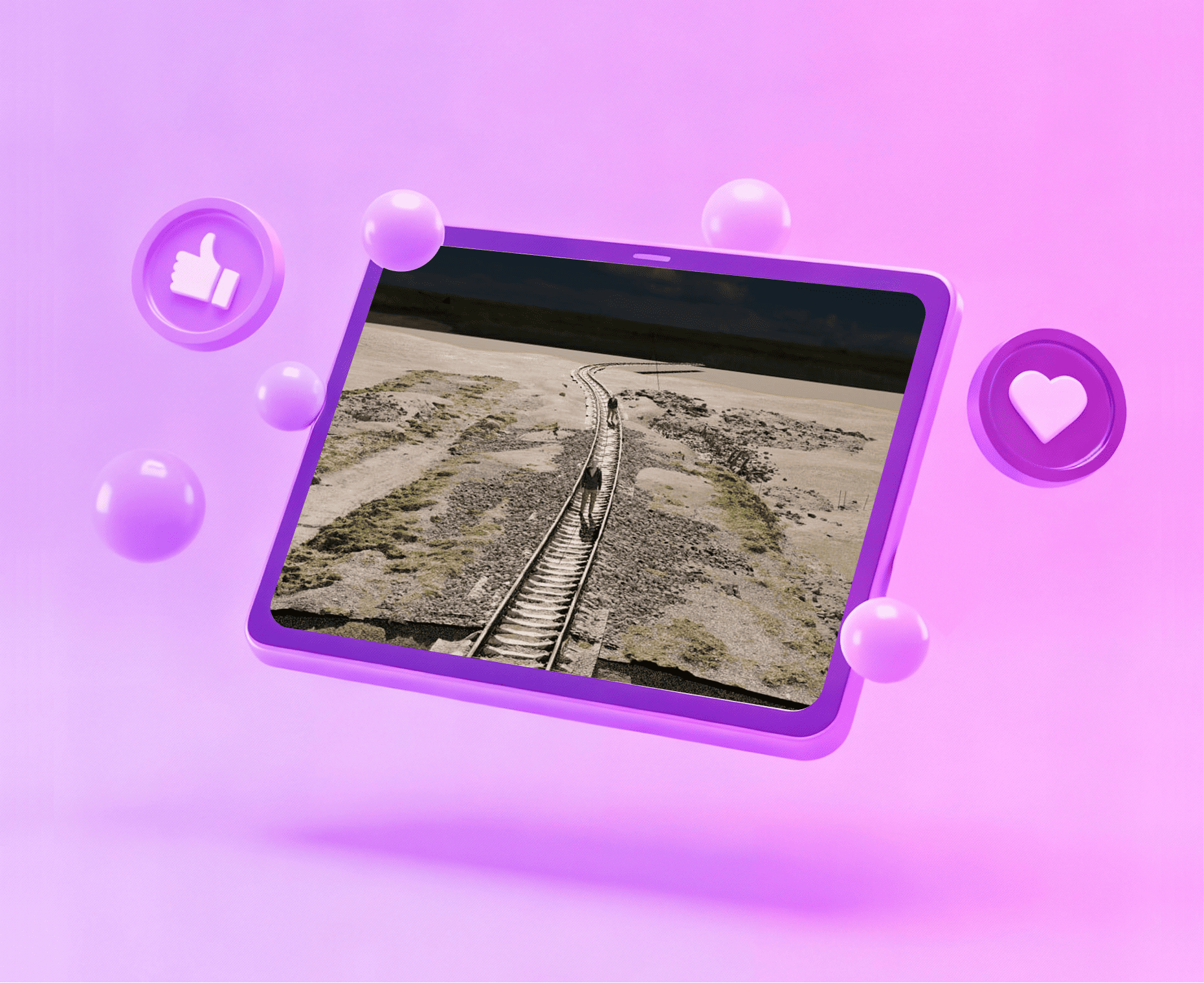
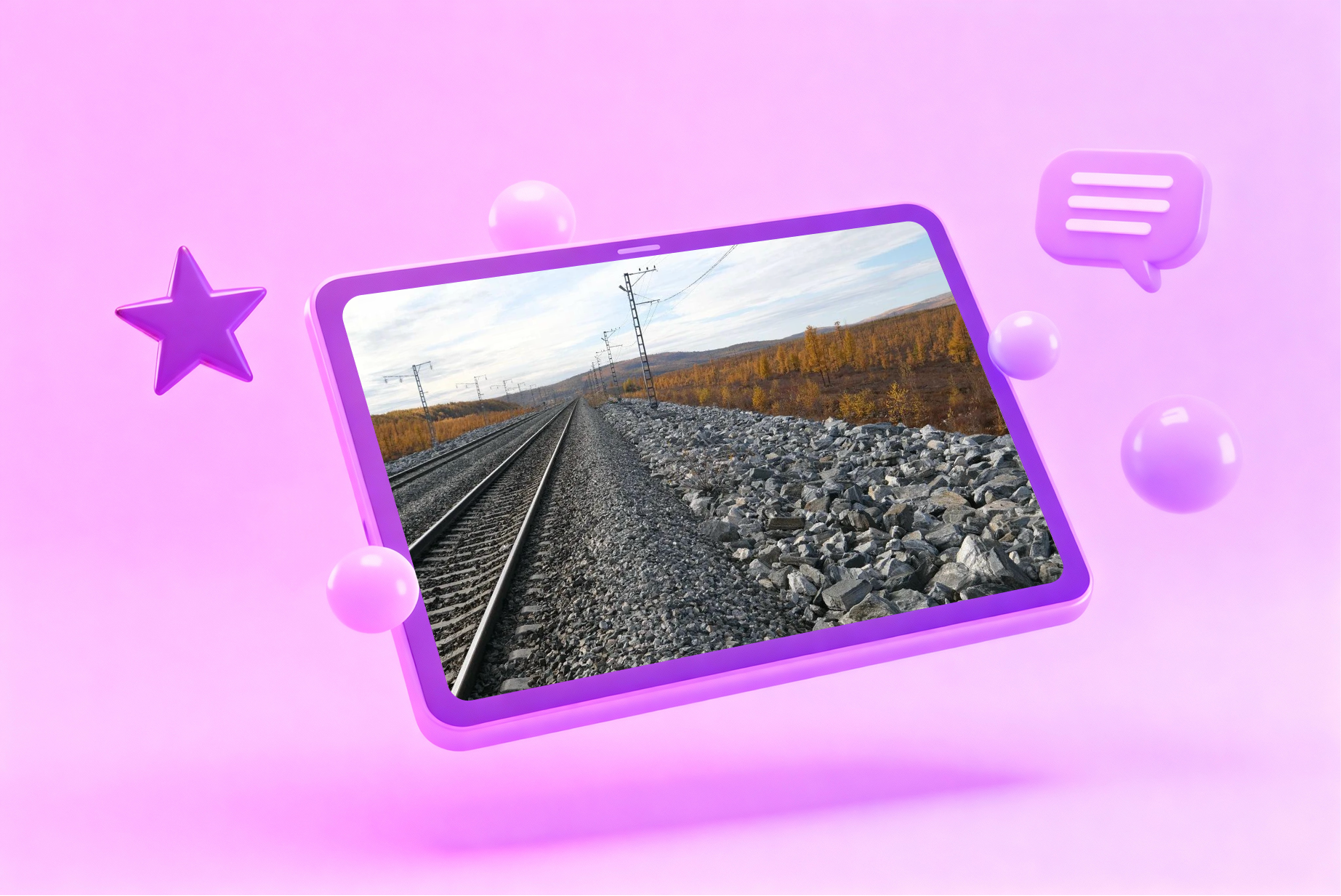
The client politely corrected us by sending real photos, which helped us recreate everything with documentary precision.
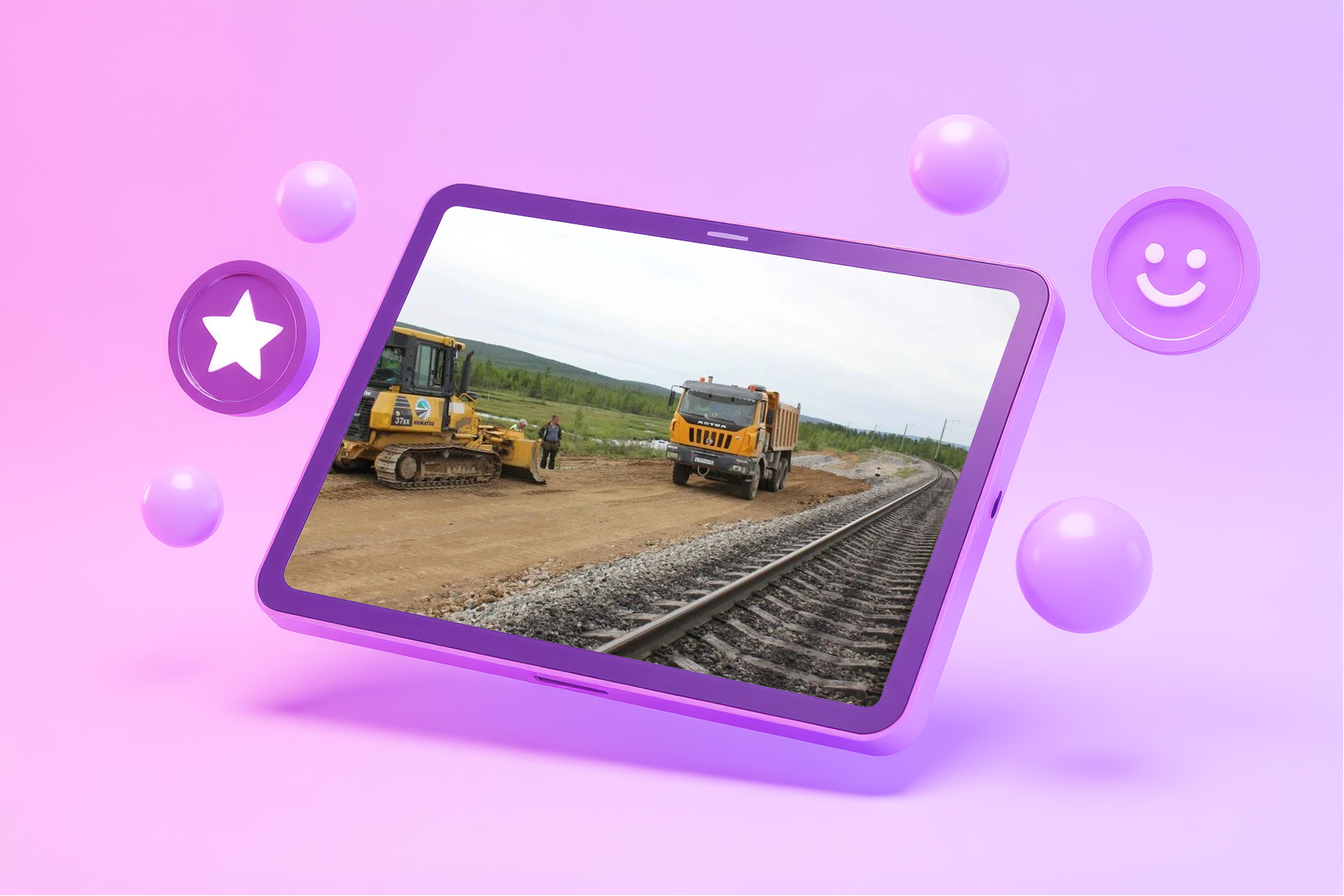
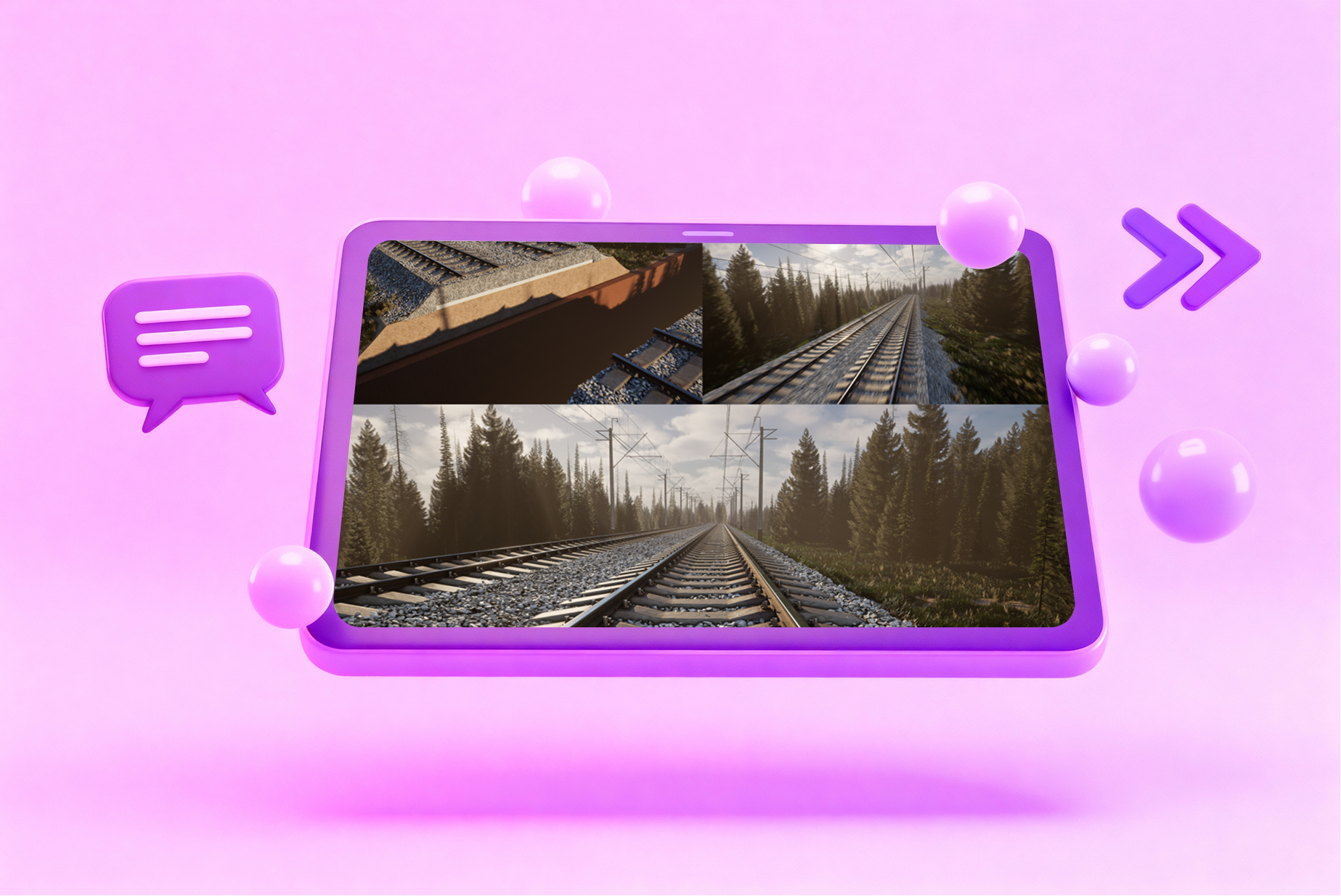
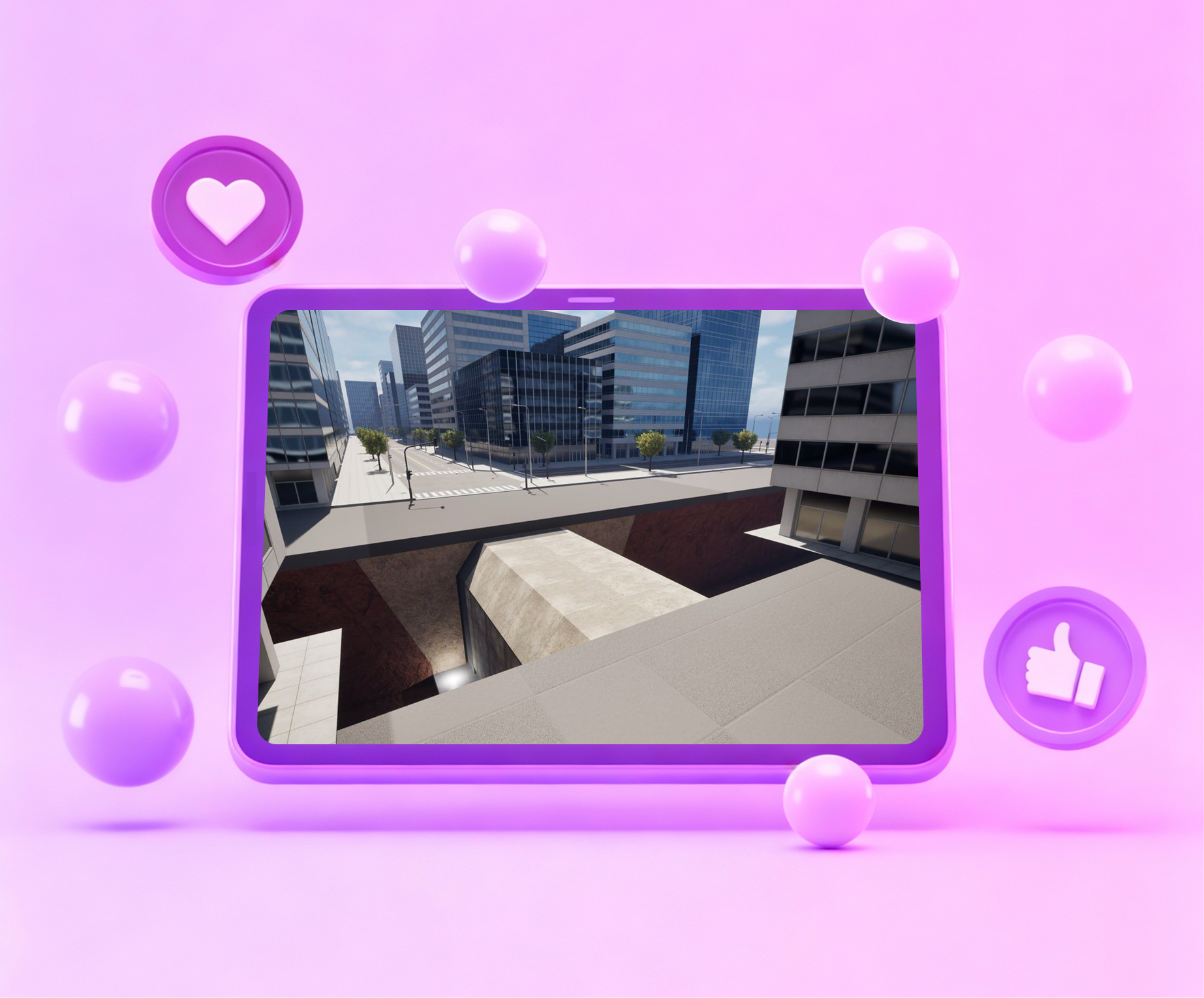
But the most massive modeling task was the metro tunnel. To show an underground cross-section, we first needed to build the surface — an entire city. Of course, we didn’t model every building from scratch. We used ready-made 3D models, assembling them into a unique city landscape: placing buildings, adding roads, greenery, and textures. It was a colossal amount of work. And although only a small part of this city made it into the final montage, it was just enough for the viewer to believe the tunnel runs beneath a real city.
Editing and problem-solving
Since we had previously filmed a corporate video for another TechnoNICOL division, we reused several strong shots from that project (you can read more about the project in our other case study).
A legal nuance arose: those materials belonged to a different legal entity. To keep everything clean, we developed a two-step rights transfer: first from that entity to our agency, then from us to the new client.
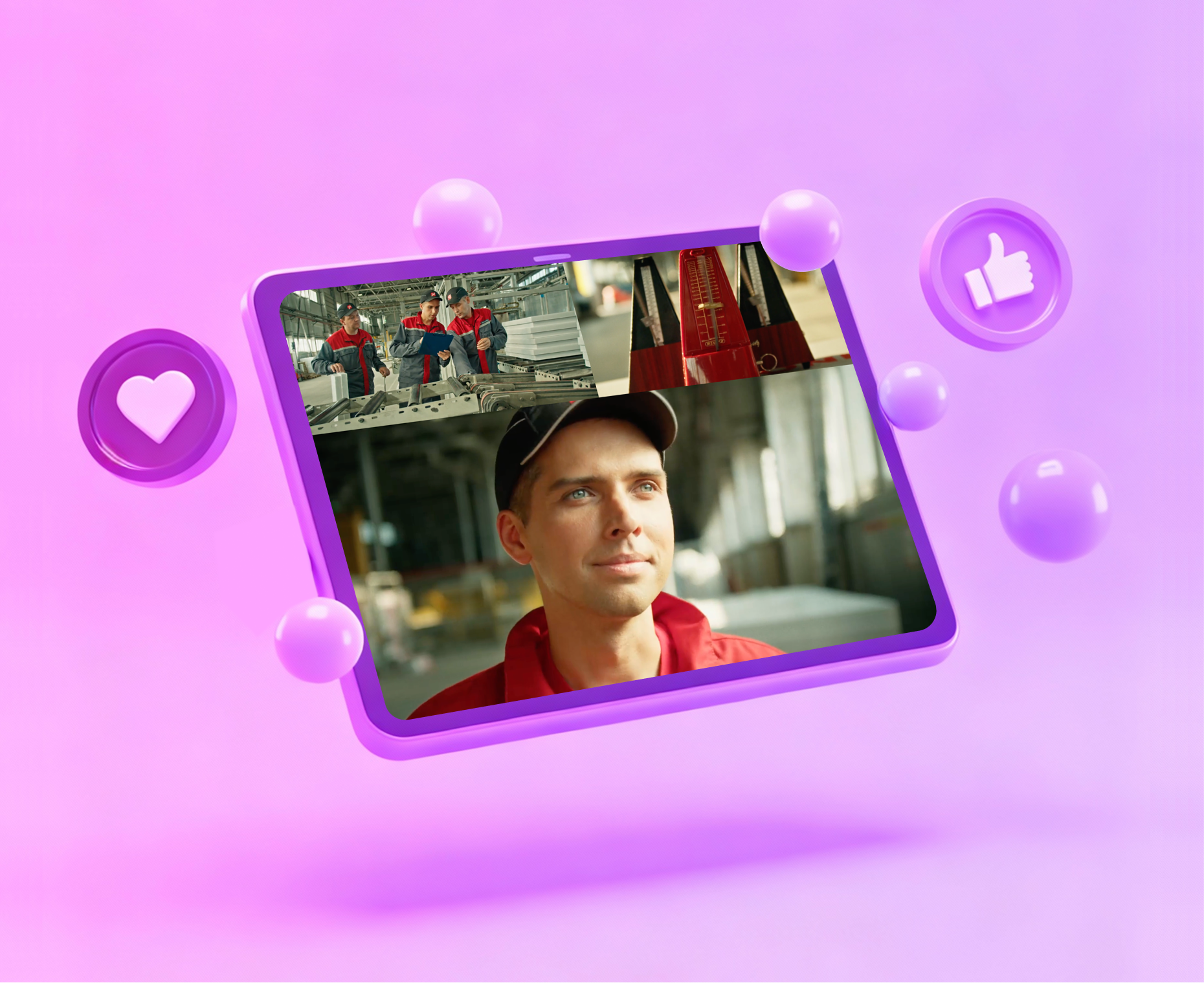
During editing, another surprise appeared — our 3D metro tunnel was rectangular, while the stock tunnel was round. A direct cut looked visually unpleasant. The solution came from dynamics: we replaced the stock video with a hyperlapse — a fast-motion video from a train driver’s cabin. At high speed, the tunnel geometry becomes unreadable, allowing us to “fly into” our 3D scene smoothly and keep the visual consistency.
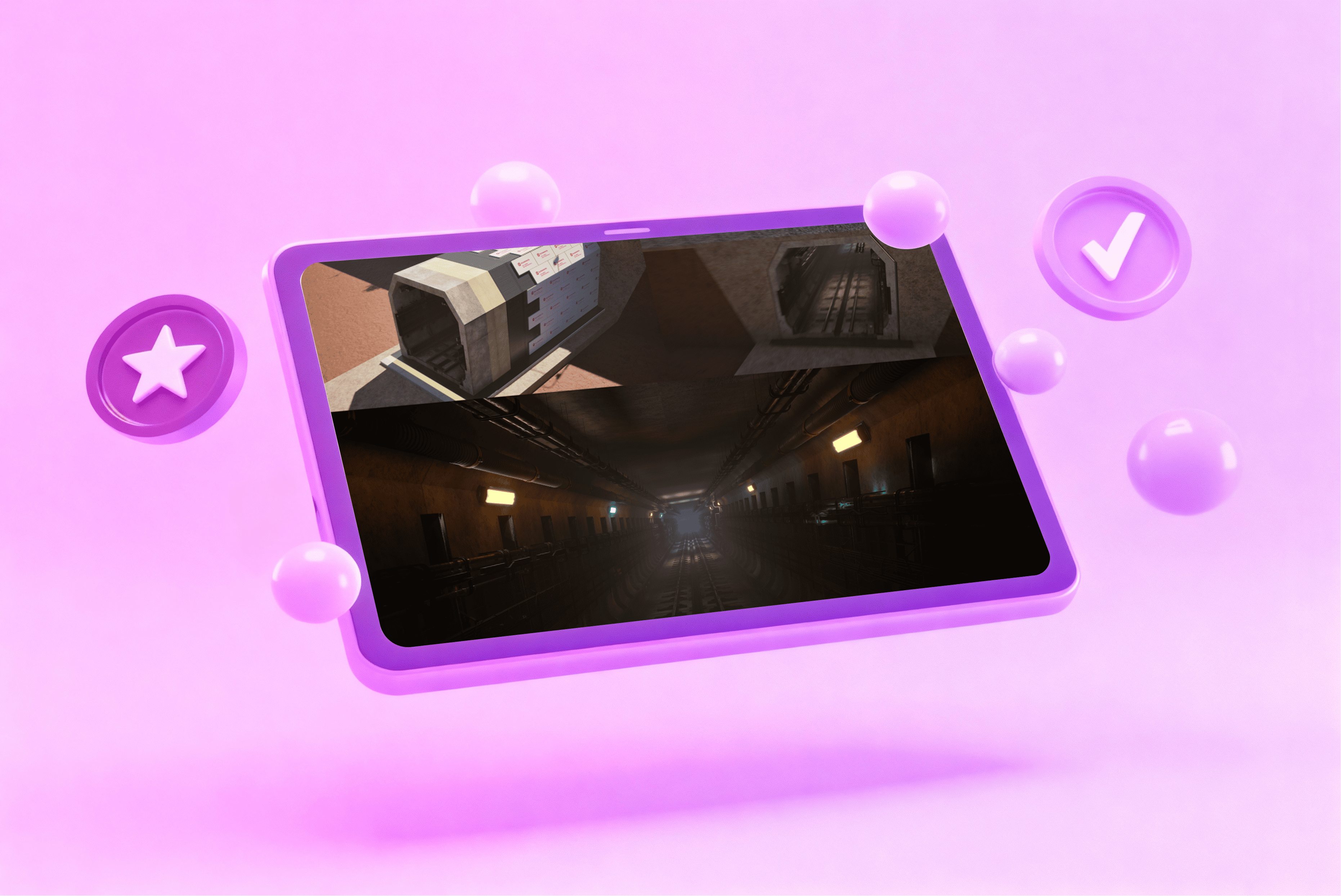
Behind the scenes of our work:
Results
We created a 3D animated film that doesn’t just tell, but clearly shows a complex technological process. This project is a great example of how corporate video and well-designed 3D graphics can solve serious marketing tasks. We proved that we can deliver a highly technical 3D film and communicate the product’s value to the target audience.
If you want to order 3D animation in the U.S. that truly works for your business, we know how to make it happen. Follow the link for more information.
As a dedicated industrial 3d animation company, Lava Media manages the entire 3d animation production cycle. From storyboard to final render, our 3d animation videos agency ensures that every frame serves the client’s marketing goals and technical requirements.
Ready to transform your technical specifications into a powerful visual sales tool? Contact Lava Media today to order professional 3D animation services or partner with us for high-end corporate video production that resonates with your audience and drives results.