Financial Services Video Agency: A Trade Show Commercial in 10 Days
A minimalist bank promo—and why emotion beats AI
Services
TV video
Marketing Goal
Promote a new feature in the mobile app
Target Audience
Business forum
Project Timeline
2 weeks

Project Overview
The Client: A major bank
The Goal: Promote the new joint account feature in their mobile banking app
Project Execution
As a specialized financial services video agency, we are used to tight schedules, but this was one of our fastest turnarounds ever. The client came to us with a rough creative draft and a blazing-fast 1.5-week production deadline. Timing was absolutely critical: they had just secured a sponsorship spot at a business forum, and we needed to deliver a polished 30-second commercial for the big screens at the event. This is a classic trade show video production challenge where execution speed is just as important as visual impact.
We kicked off by brainstorming various creative concepts, pitching 5 distinct options to the client that differed in both style and delivery.
For example, one concept visualized the hero's thoughts about shopping—we wanted to integrate thought bubbles into the frame, graphically playing out scenes of their future (imagined) expenses.
At the time, the series The Queen's Gambit was making huge waves, so another idea revolved around Fischer chess clocks displaying a $20,000 balance. The woman makes her move: instead of a chess piece on a black-and-white board, she uses a miniature red stiletto. The stiletto "captures" the man's piece. She hits the clock button, and the balance drops by $200.
Ultimately, the client chose a more laconic creative option.
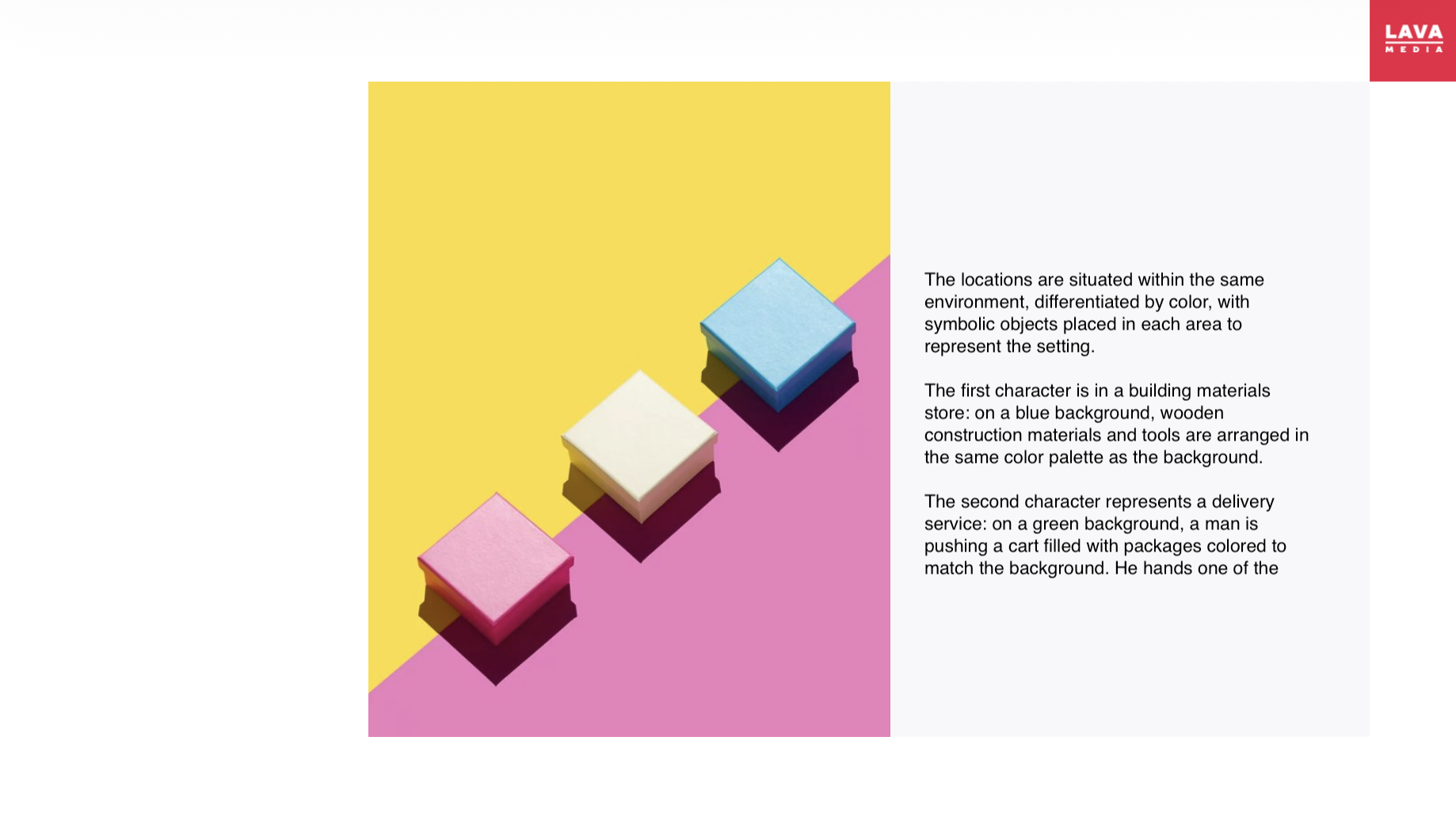
But it's important to note: this was just a creative framework. The client loved the visual direction—a minimalist background with minimal prop decor to set the location. In our initial pitch, we wanted to feature a hardware store and a delivery service with two male leads (positioning the joint account not just for families, but for business partners). The client asked us to keep the style but pivot the core message: target a young couple and highlight their everyday household expenses rather than something complex like construction.
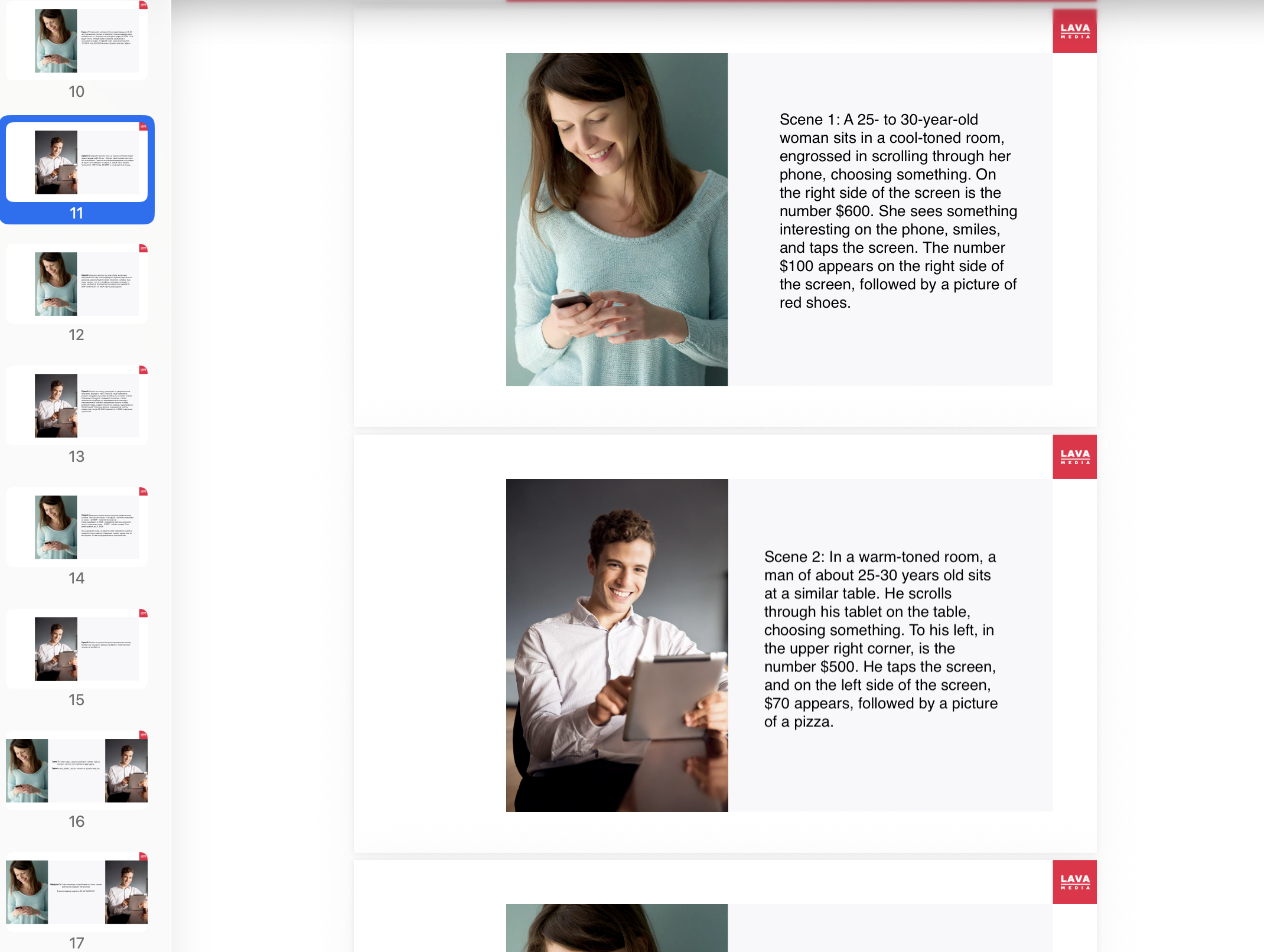
After finalizing the copy, characters, and their actions, we moved into location approval—specifically, the background colors and the exact props our heroes would be buying. We had heated debates over the props. Everyone on the team had their own vision of the "perfect item" for this target audience. In the end, we combined universally relatable items (pizza, headphones) with something more familiar to the business forum crowd: tennis gear.
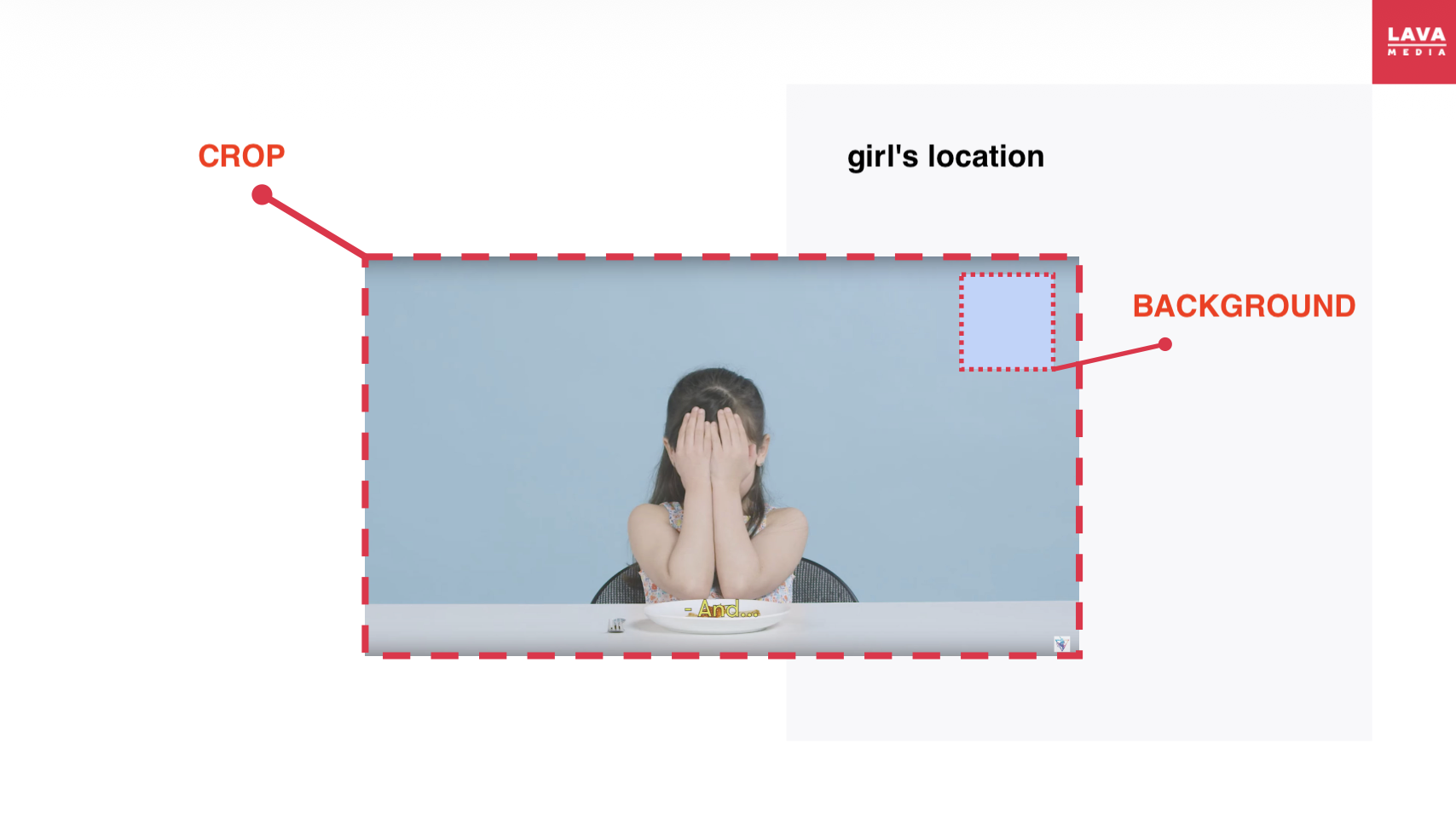
Despite the video's simplicity, we were incredibly meticulous with approvals: from the heroes' props to their facial expressions and motion graphics elements.

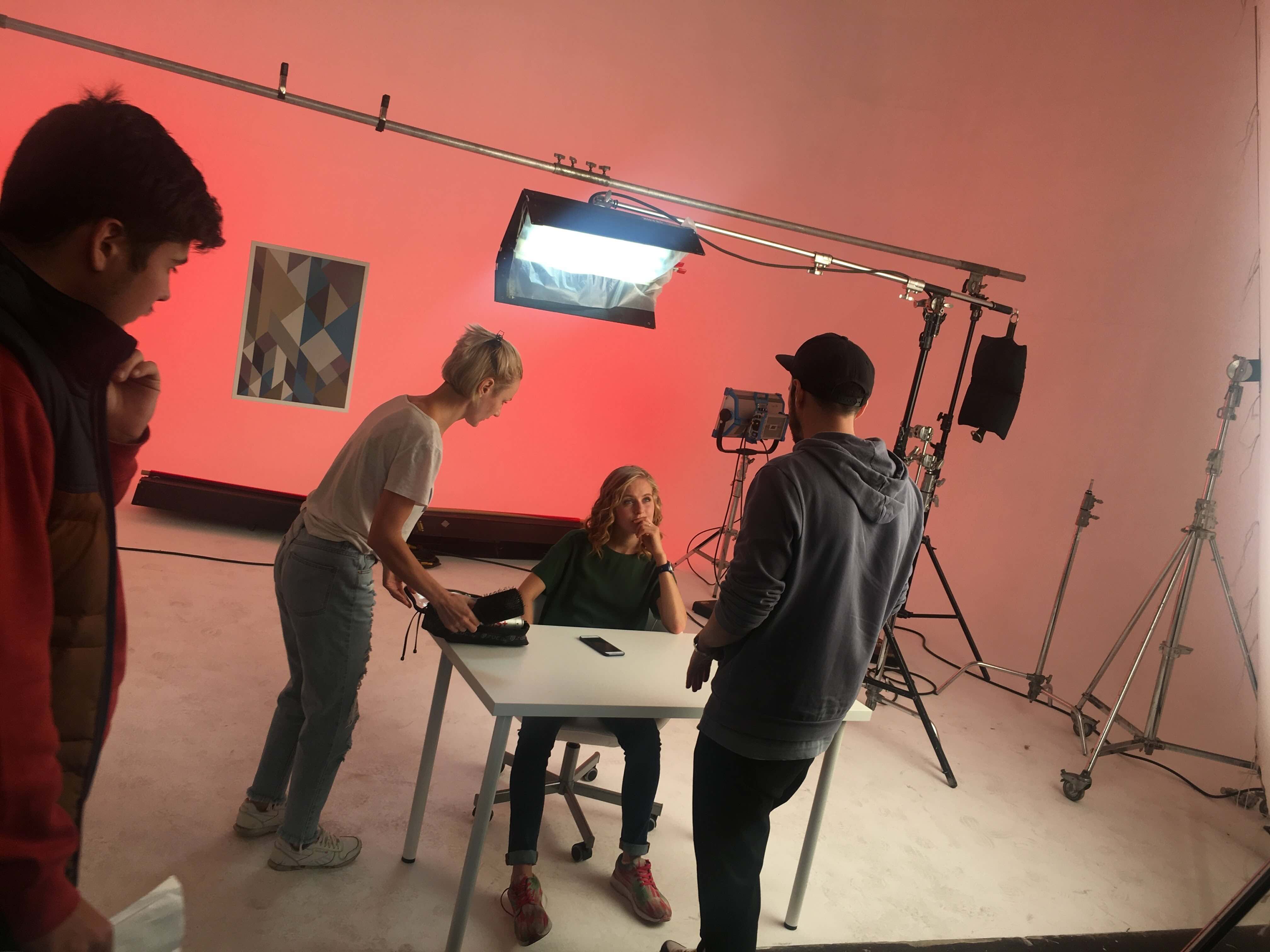
On set, acting as a full-service TV commercial production studio, we decided against using simple monochrome paper backdrops. Instead, we used targeted lighting on a white cyclorama, while interior elements were suspended on wires behind the actors. This approach gave us vastly more control and flexibility during the color-grading phase.
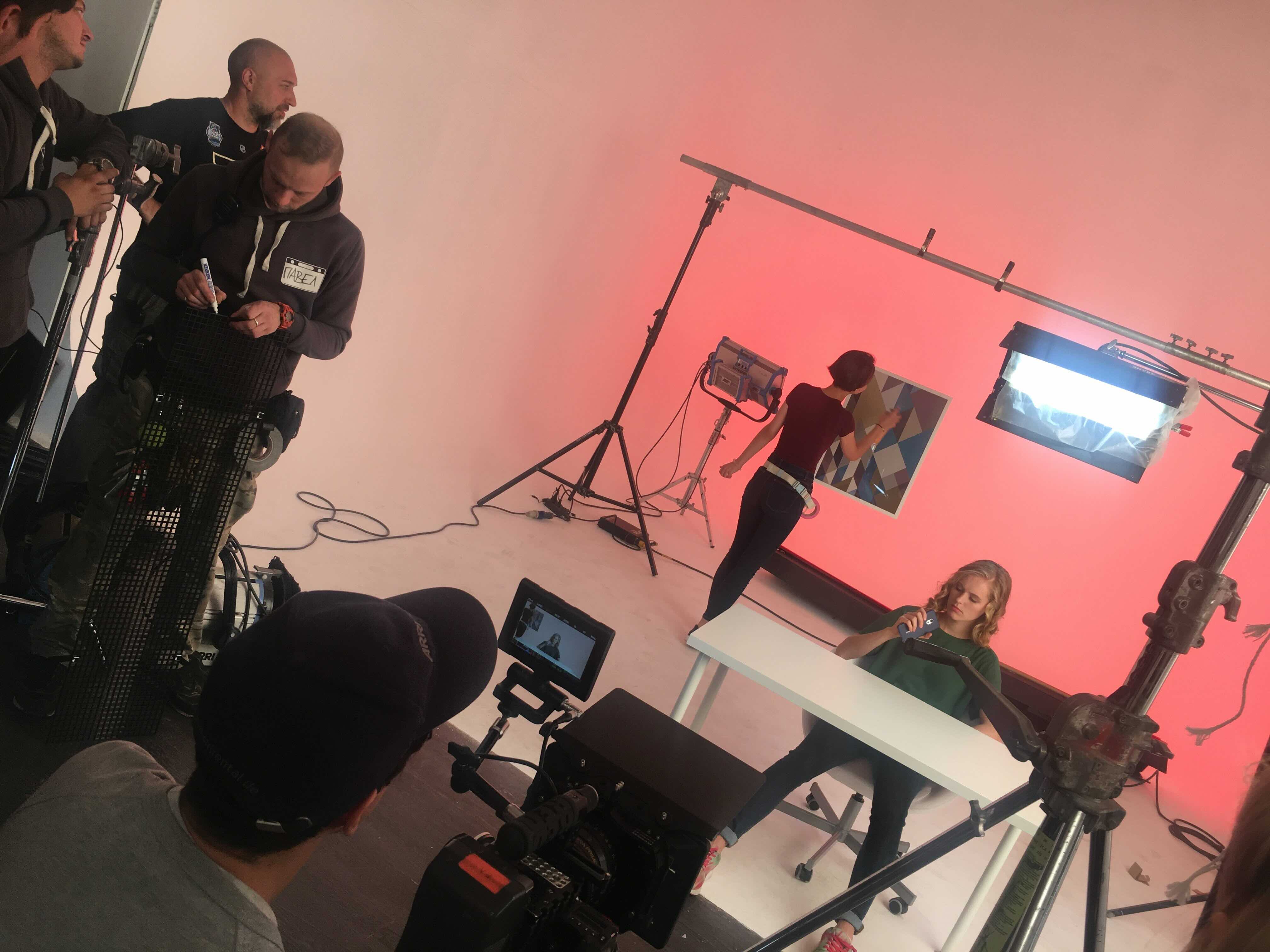
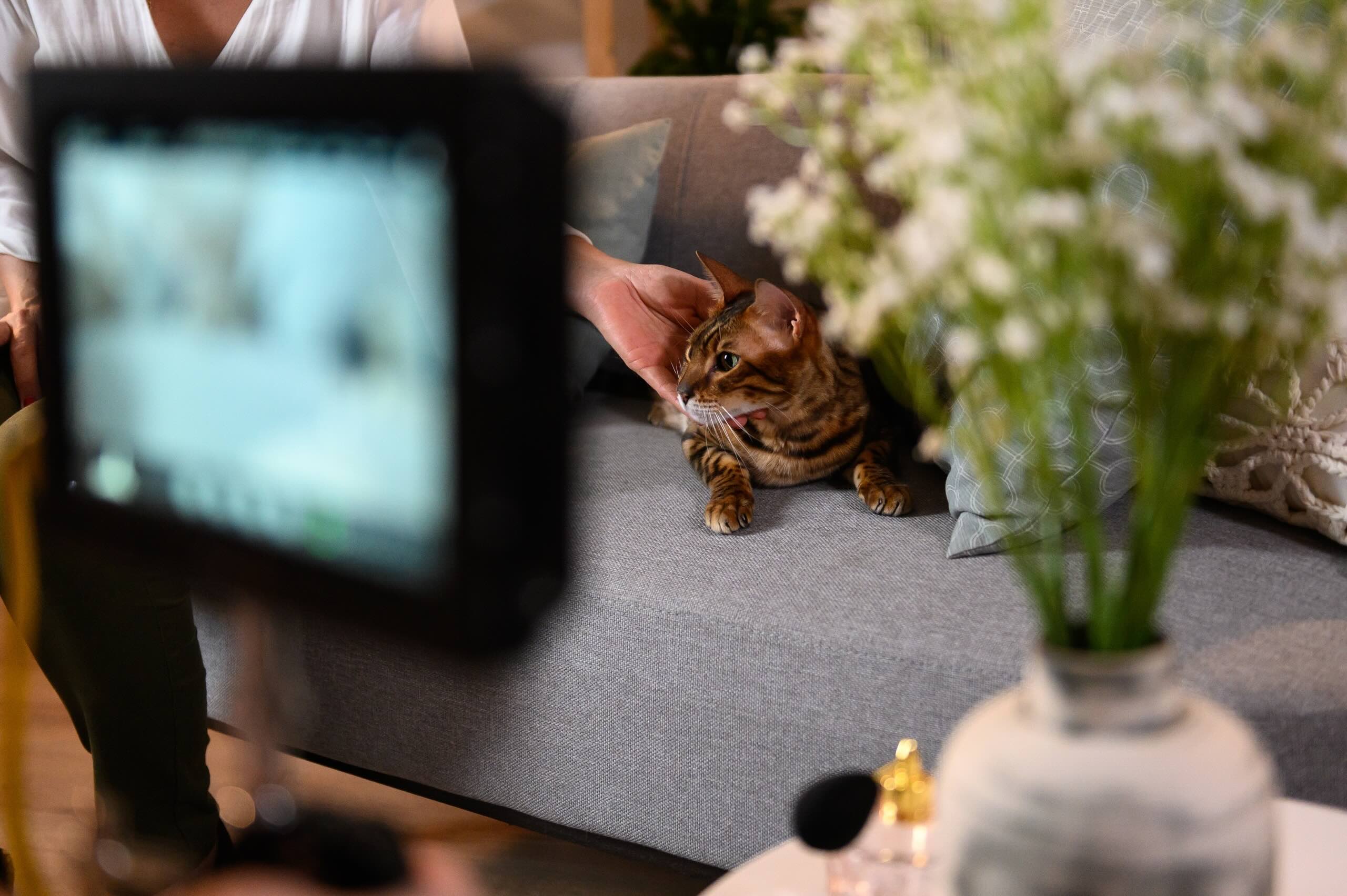
The shoot lasted about 8 hours. The actors performed multiple takes with varying shades of emotion, giving both us and the client plenty of options in post-production. The client was present on set, monitoring every shot via playback, and approved the best takes right alongside the director.
Looking at the final result now, and knowing the current capabilities of artificial intelligence, one might argue that a commercial like this could easily be generated by AI.
And partially, that’s true: AI could replicate the raw image 1-to-1. But when clients ask us about the limitations of current AI video generation technology, we always point to unpredictability and emotional nuance. Yes, we could prompt an AI to create “a smiling heroine choosing a dessert on her smartphone.” The AI will do it. But it will look incredibly standard and generic. Take a look at the 0:06 mark in our video—the actress’s smile literally says, “I am dreaming about this sweet treat.” You read it in the tiny dimples at the edge of her smile and the subtle movement of her lips. These micro-expressions are exactly what the limitations of current AI video generation technology are all about; this level of genuine empathy is still exclusively available through live human actors.

At Lava Media, we have deep expertise in both traditional TV commercials and cutting-edge AI video. That’s why we always give our clients honest advice on the best approach and the right tools to solve their specific business challenges.