AI
Can AI Recreate a Hollywood Movie Trailer?
Anatomy of Christopher Nolan's The Odyssey Trailer

Sergey
July 28, 2026
If you've spent any time on marketing Twitter or LinkedIn recently, you've probably seen the hype. AI video generation is everywhere, promising to replace entire production sets with a single text prompt.
But as marketers and producers, we need to separate the hype from reality.
AI is becoming a serious production tool for movie trailers, commercials, and branded films. But despite rapid progress, there's still a huge gap between generating a beautiful five-second cinematic shot and recreating an entire Hollywood trailer. Christopher Nolan's The Odyssey is a perfect example of where today's AI filmmaking tools succeed and where they still fall short.
To show you how this actually works in the trenches, let's break down a conceptual AI-generated trailer for Christopher Nolan's The Odyssey. We're going to look at exactly which shots AI can handle flawlessly, which require some clever post-production tricks, and where the technology still turns everything into a glitchy mess.
If you're considering AI video production for your next sizzle reel, commercial, or cinematic campaign, here's the unfiltered truth about what to expect.
When the scene is clean and the parameters are constrained, AI video tools are practically magic. Here is what you can generate with ease:
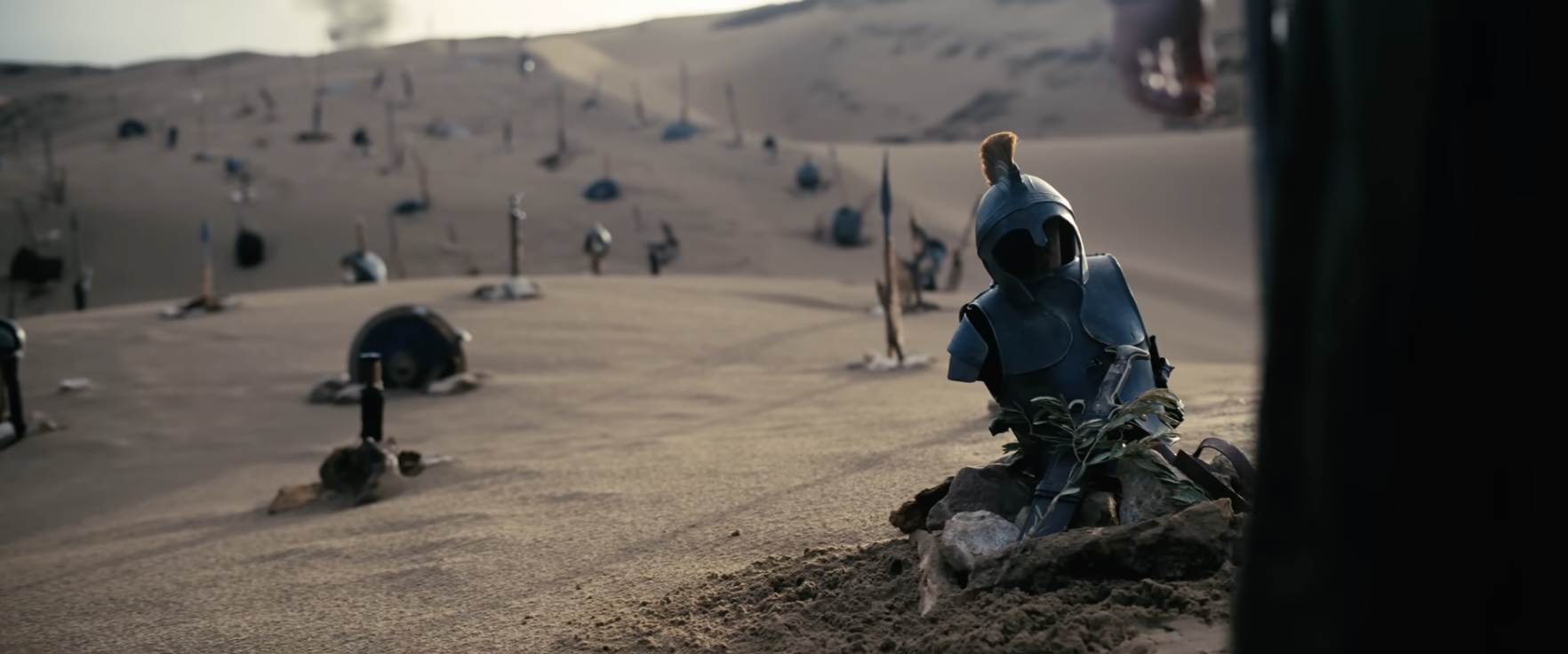
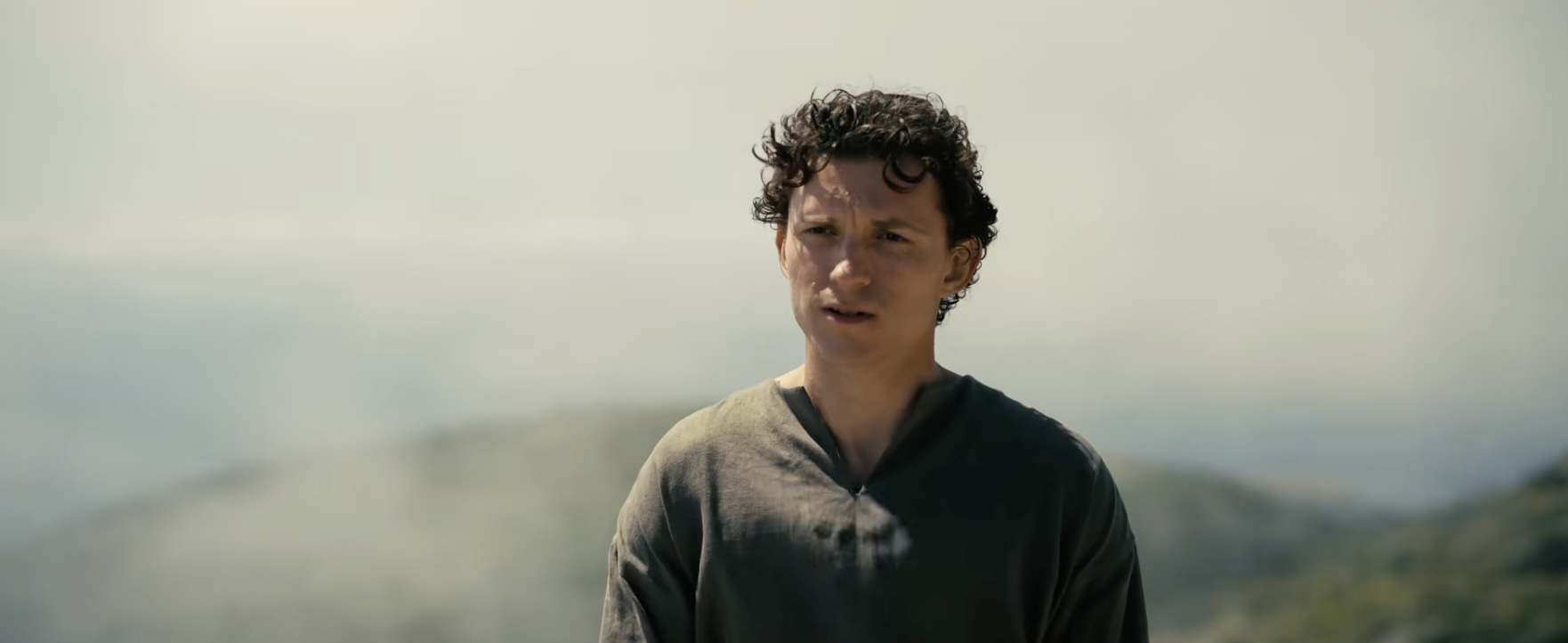
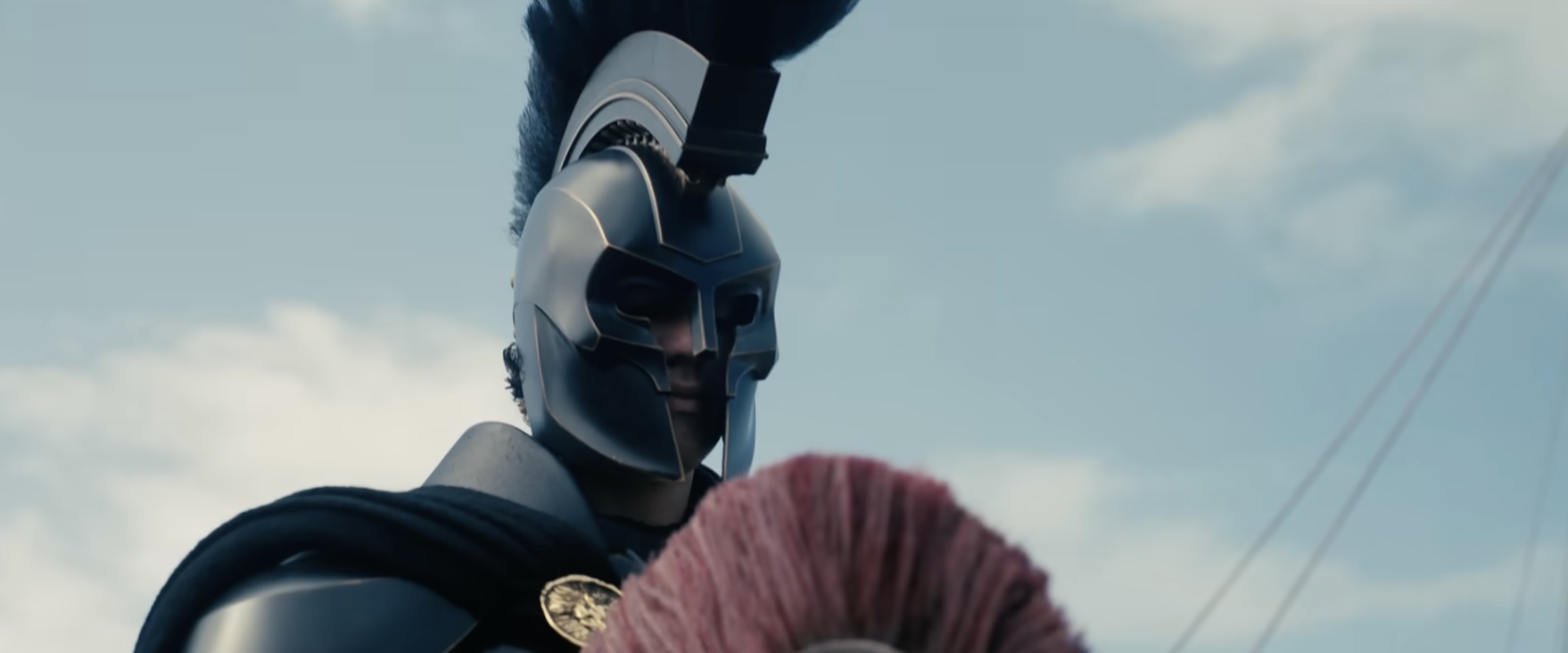
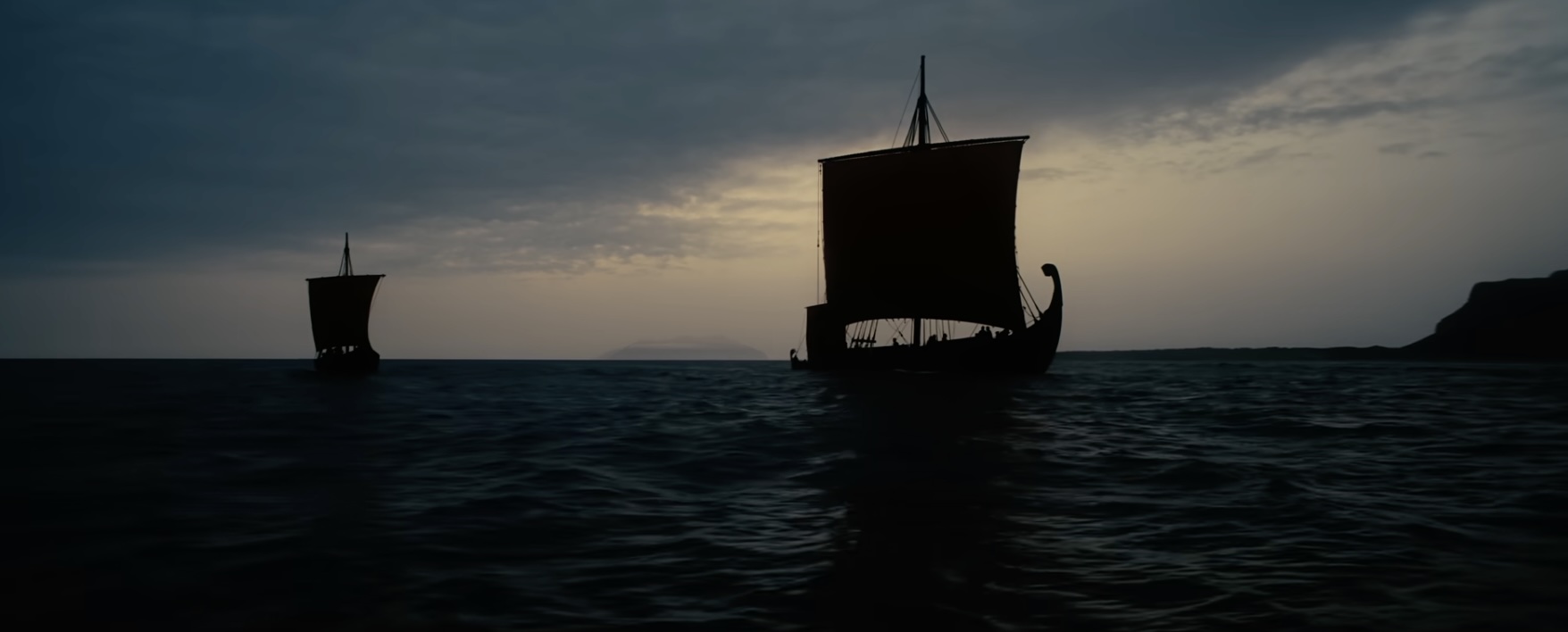
Want to know who is actually pulling off these high-end shots? It's not just about the prompt. Read more about who makes the best AI-generated videos and why human expertise still makes the biggest difference.
Some shots are possible, but you can't rely entirely on AI. You have to outsmart it.
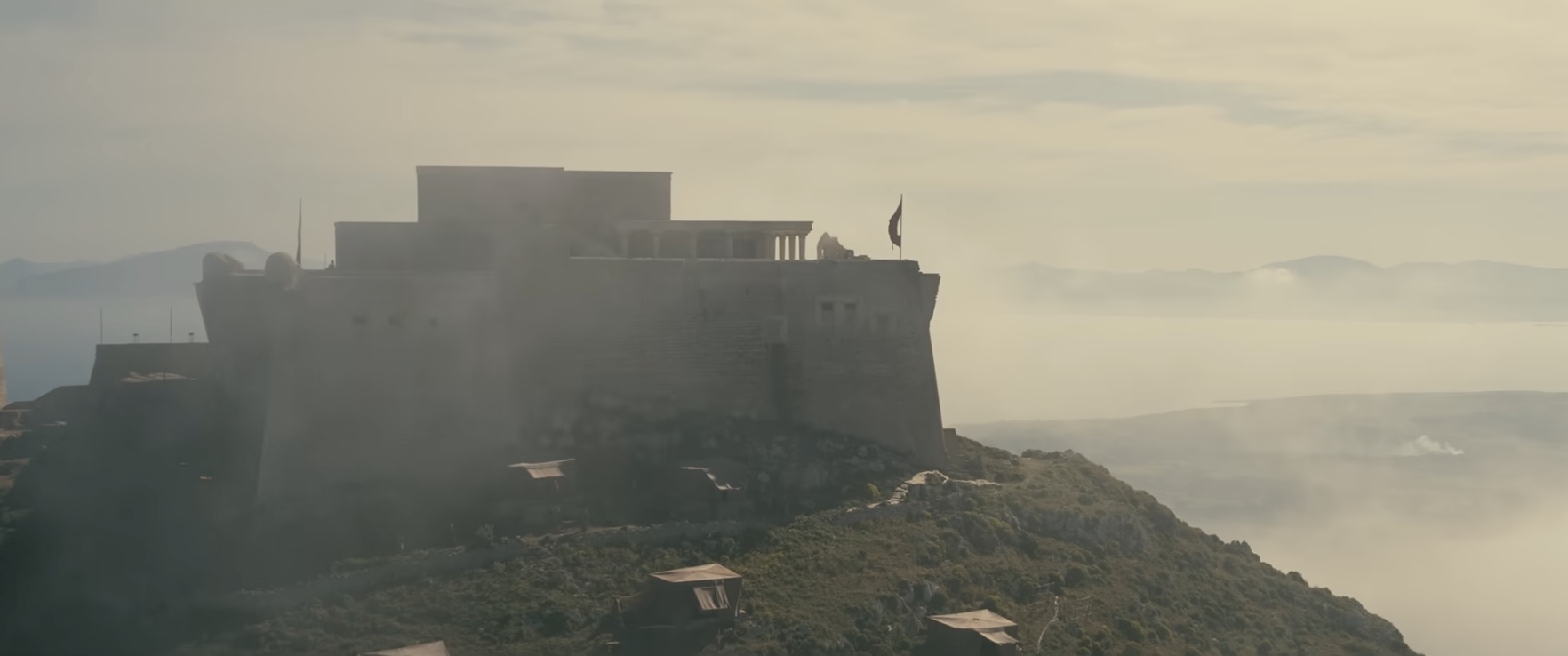
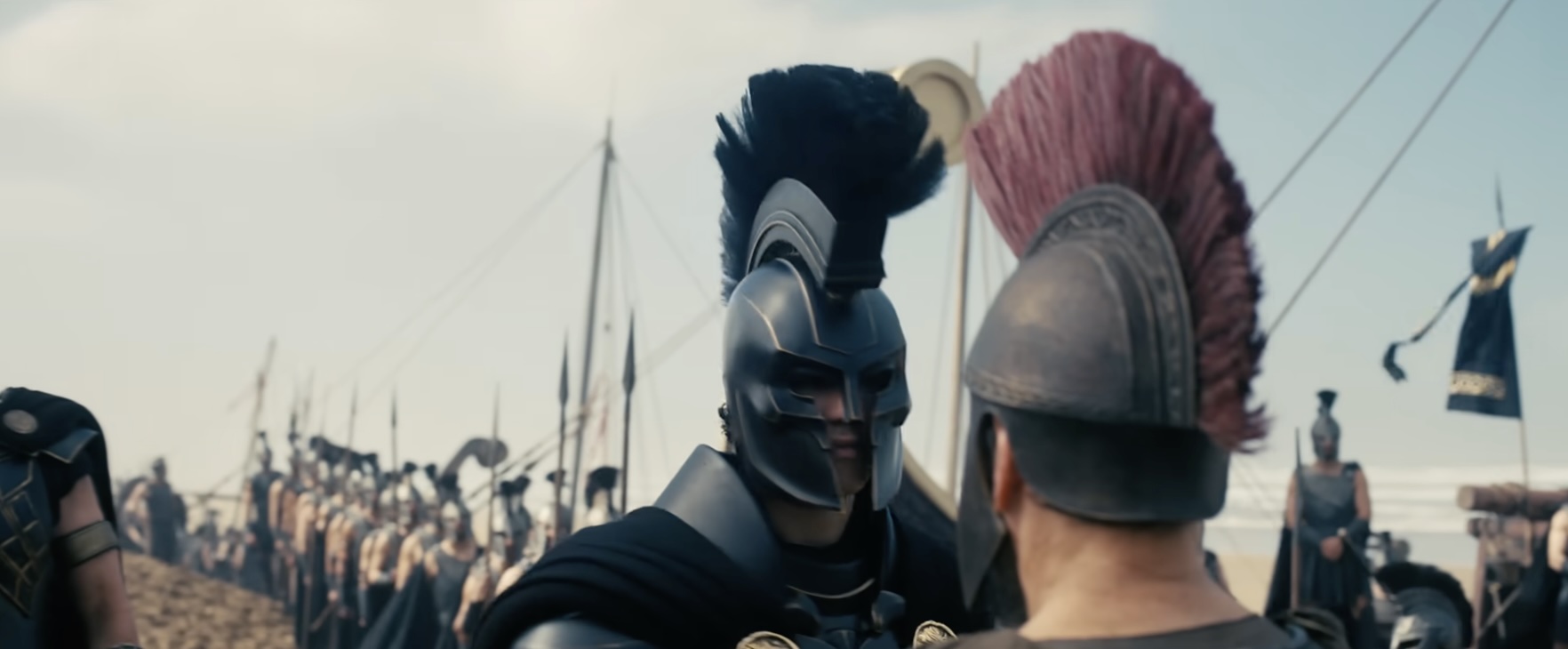
This is where you need to manage expectations. If you push today's technology too far, the result becomes unusable.
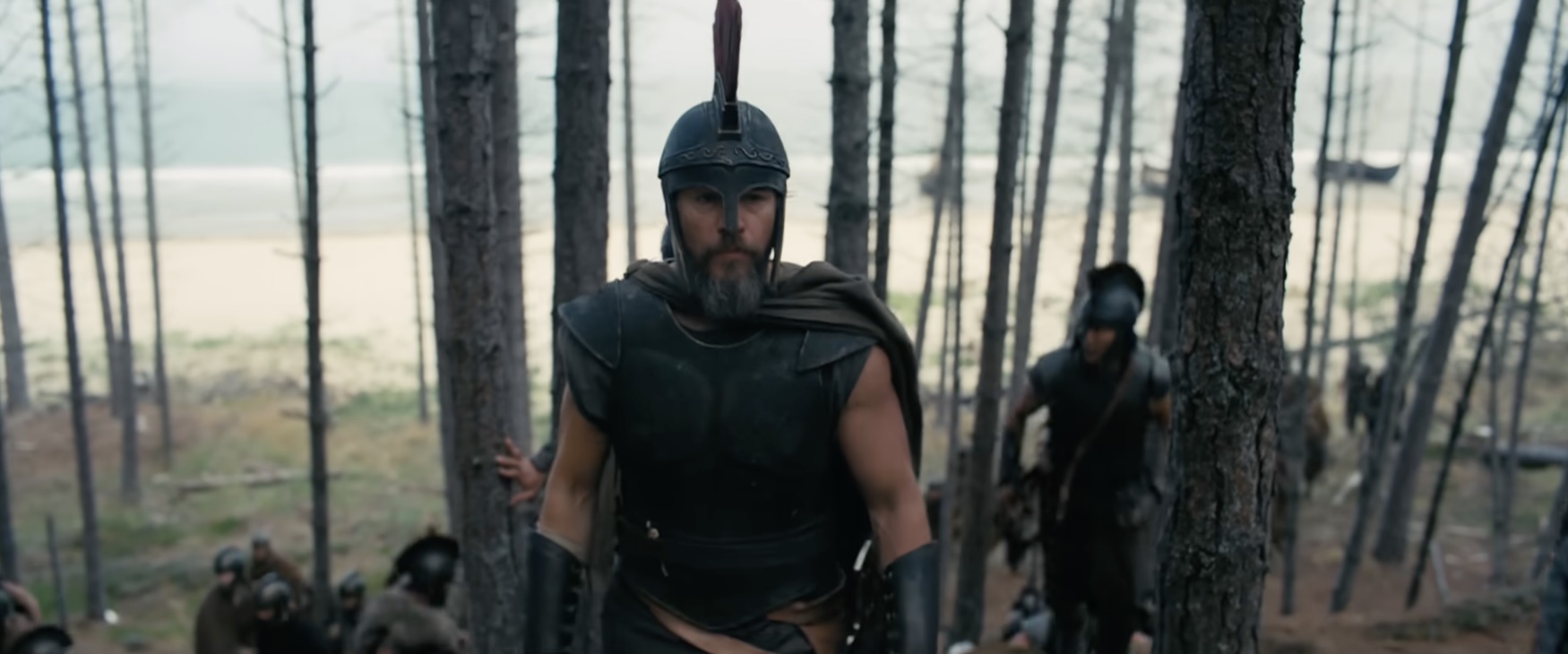
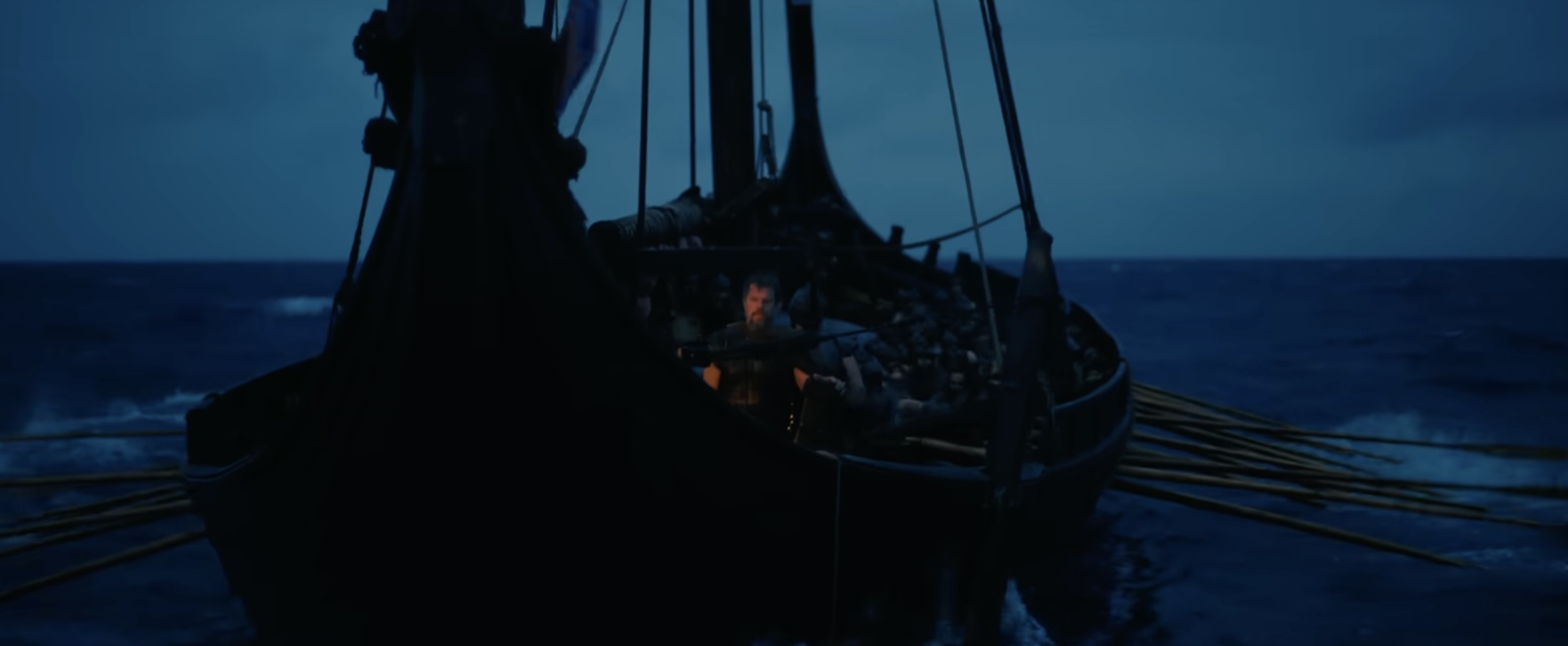

Understanding these boundaries is crucial for planning your production budget. Dive deeper into the real limitations of AI video generation technology to avoid costly mistakes before production even begins.
One of the biggest misconceptions is that AI either works or it doesn't.
In reality, professional AI video production is about choosing the right shots.
A trailer isn't one piece of content. It's dozens of individual scenes, each with its own level of complexity. Some shots are almost effortless for AI. Others become dramatically more expensive because they require compositing, VFX, cleanup, or traditional production techniques.
The teams producing the best AI commercials and cinematic videos aren't asking AI to generate everything. They're building workflows that combine AI with editing, visual effects, color grading, and human creative direction.
That's the difference between a viral AI experiment and production-ready content.
AI is an incredible production tool, but it isn't autopilot.
The secret to creating a high-end AI movie trailer or commercial isn't writing a better prompt. It's knowing when to use AI, when to use traditional production, and how to combine both into a seamless workflow.
We actually put this to the test. We created a full cinematic trailer for a Hollywood director using these exact techniques. You can see how we solved these production challenges and what the final result looked like in our AI Sizzle Reel Production for "The Monaco Maneuver" case study.

Whether you're producing an AI commercial, a cinematic brand film, or an AI movie trailer, the biggest difference isn't the model you choose—it's the production workflow behind it.
If you're ready to produce broadcast-quality AI content, explore our AI Video Production Services at Lava Media. We'd love to help bring your next project to life.
All trailer images are used solely for commentary, criticism, and educational analysis. Copyright belongs to the respective rights holders.