AI Sizzle Reel Production for a Feature Film: The 'Monaco Maneuver' Case Study
A two-minute cinematic teaser built entirely with AI — from storyboard to final sound mix
Services
AI Video
Marketing Goal
Investor-facing teaser
Target Audience
Investors
Project Timeline
5 months
Project Overview
The Challenge
AA&M Productions came to us with a request that sounds simple on paper and borderline unrealistic in practice: produce a teaser — or sizzle reel — for the feature film "Monaco Maneuver" — without shooting a single frame.
The project had a script, a story outline, and a pitch deck, but no footage and no budget for a full production shoot. Led by director Jude Stephen Walko and executive producer Russ Neibert, the team needed a two-minute cinematic piece that could sell the story to investors and partners: recognizable characters delivering lines on camera, chase sequences, a Monaco casino, and an explosive finale. Stylistically, the client was aiming for "Casino Royale" and the "Ocean's Eleven / Twelve" franchise — the polish, pace, and atmosphere of big international genre filmmaking — with "Bullet Train" as the reference point for the train-fight sequence. In short: a full narrative trailer where the only soundstage was the neural network. It's exactly the kind of assignment an AI video production company like ours exists for.
The brief got harder from there: the material had to be generated from zero, and in volume — not one or two clean takes per scene, but many variations of each shot to cut together into a coherent two-minute story arc: setup, chase, showdown, payoff.
Russ and Jude were, in effect, early adopters of a new approach to pitching film. Screenwriters and producers have traditionally sold a script or a book concept with a logline, a treatment, and storyboards on paper. An AI teaser lets you show the whole story instead — with a director's visual language, editing rhythm, and tone — without waiting on a production budget. For independent filmmakers, producers, and rights holders raising money for something that doesn't exist yet — a film, a book adaptation, any story still in pre-production — that's a fundamentally different level of pitch for a fraction of a full production's cost.
Project Execution
How We Approached the Project
Step 1: From Script to Shot List
We started where any narrative project starts — building the storyboard and shot list in close collaboration with Jude as the film's director. On our side, a distributed team worked the project: an art director, AI prompt engineers, and a post-production crew, coordinated by a dedicated project manager who ran daily communication with the director and kept every round of notes in sync. There was no production logistics in the traditional sense — every scene had to be "seen" on paper before it was handed off to generation. In practice, that made our team as much an AI video production service as a creative one.
Step 2: Casting the Characters
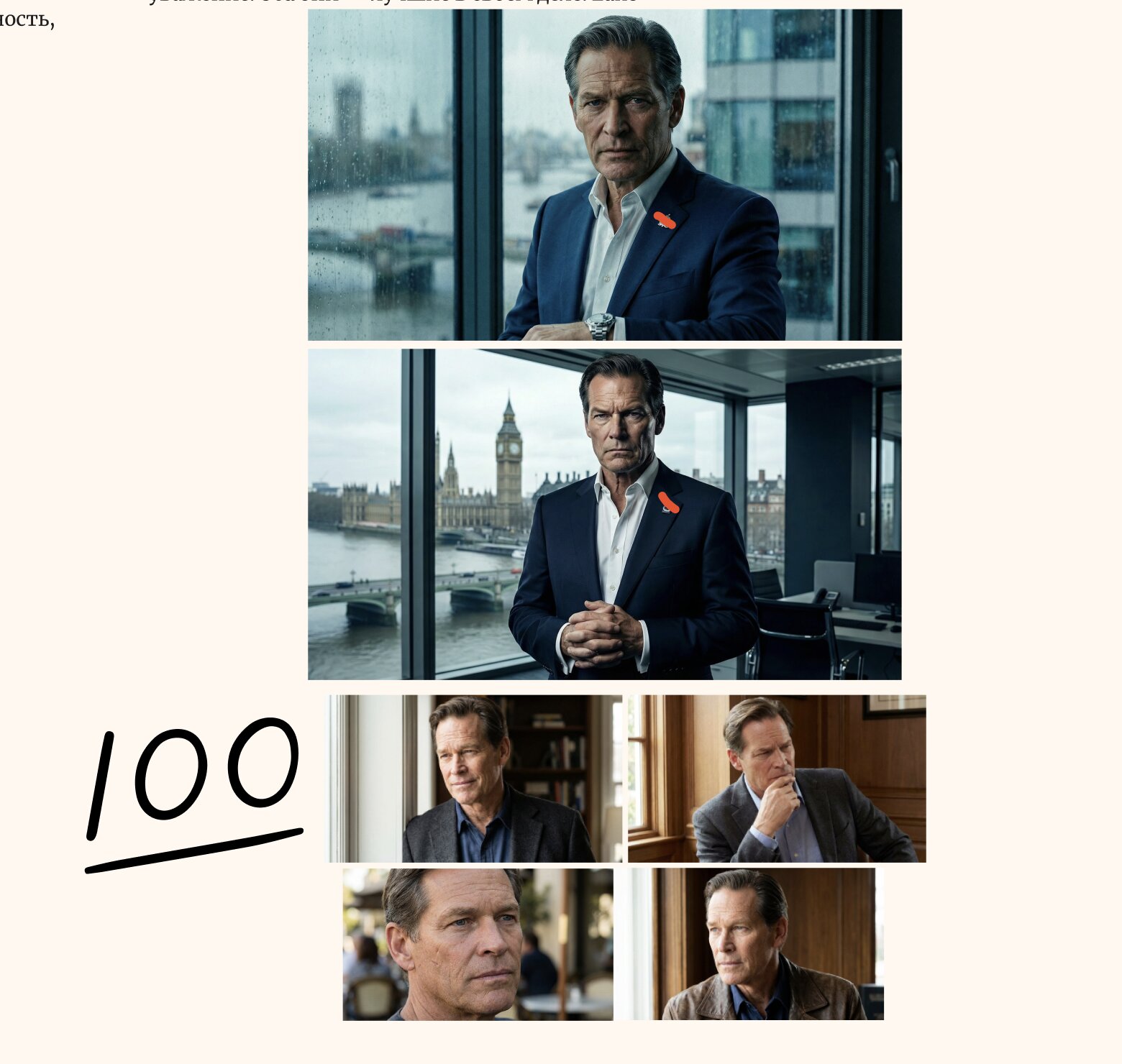
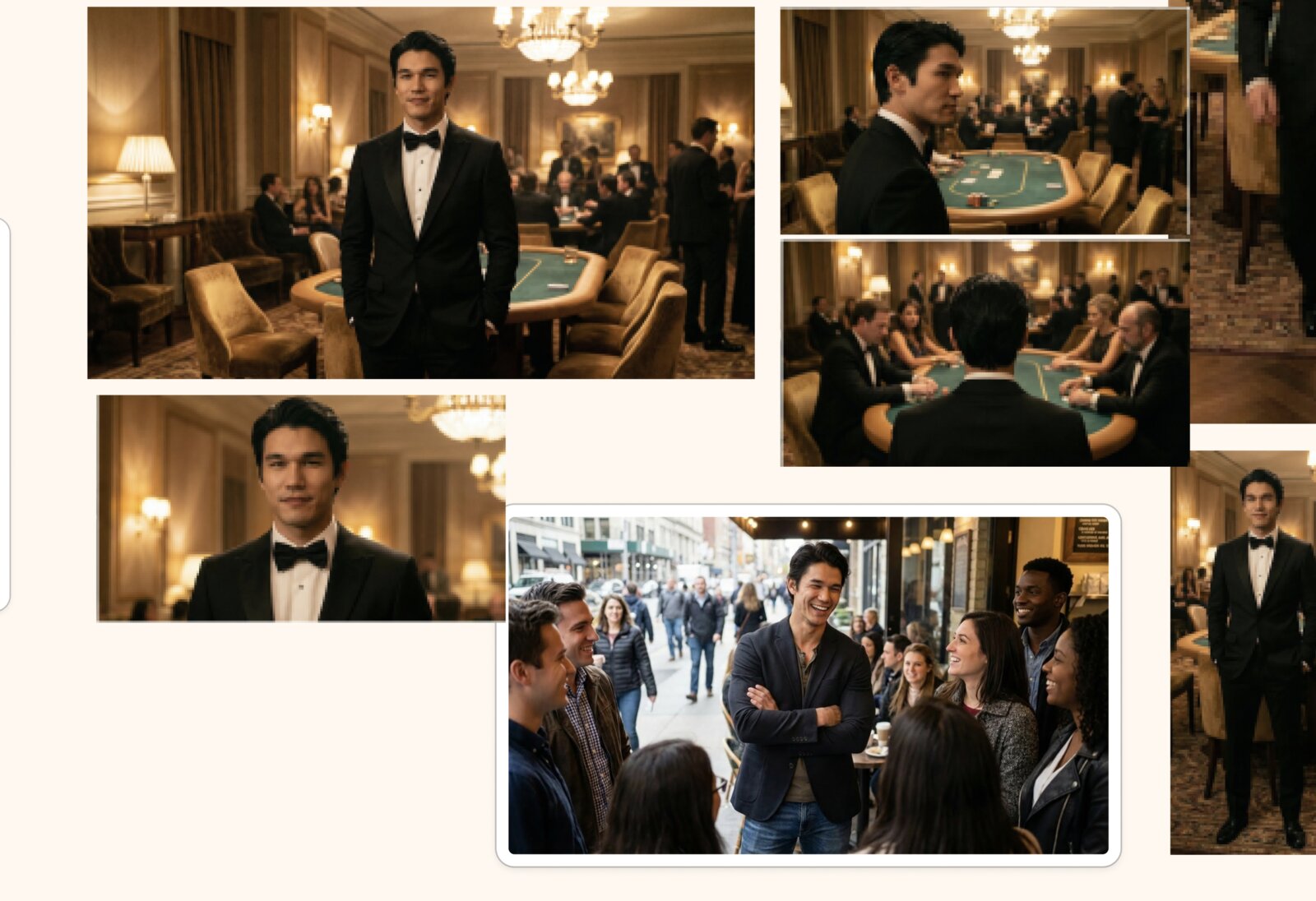
Before we generated a single narrative frame, we ran a dedicated casting stage. The director wrote detailed character briefs: a Russian mobster one character owes money to, described as a man in his forties, impeccably dressed, wealthy, composed — tall and imposing. The lead, Zane, a tattooed Englishman in his 50s or 60s with a loose, cocky demeanor and a talent for breaking into anything, especially with explosives. We turned briefs like these into static reference avatars — different angles, wardrobe, and locations — and presented several options for approval. Some looks were approved on the first pass; others were rejected and re-generated. Once a look was locked in, that character's face, wardrobe, and style became the reference carried through every subsequent scene, so we weren't burning generations on shots featuring an unapproved character.
Step 3: Generating at Volume
Rather than chasing an exact runtime from day one, we deliberately generated well beyond what the final cut would need, and built the actual pacing, rhythm, and editorial dynamics later, at the edit. Out of roughly five minutes of AI-generated takes, we needed to cut the best two.
Material went out to the client in iterative batches with built-in checkpoints — for example, we hit the "halfway generated" milestone ahead of our own internal estimate — rather than as one large delivery at the end.

Step 4: The Reality of AI Video Production
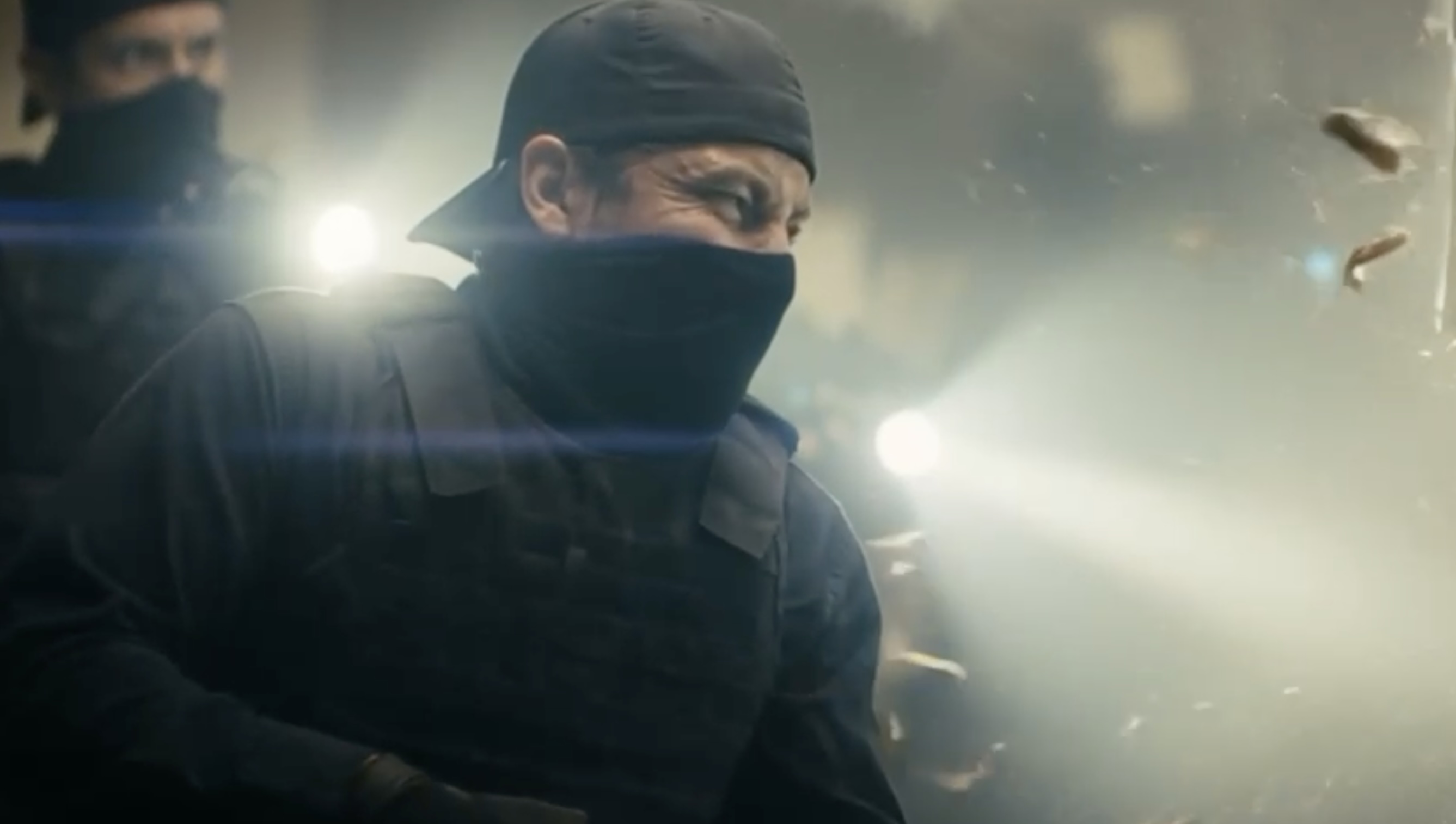
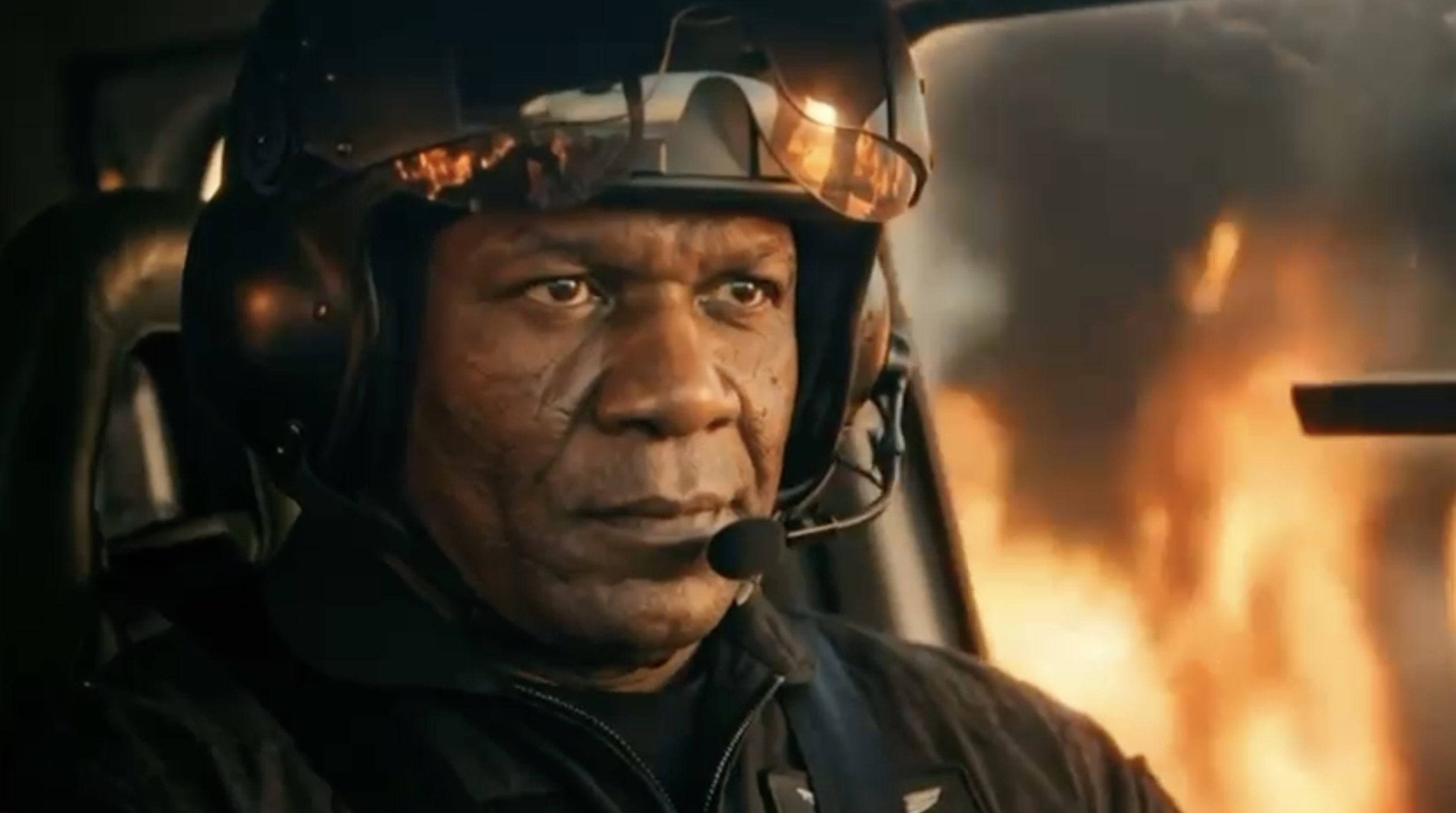
Generative video isn't a "make it beautiful" button. Even before signing, Jude and Russ pressure-tested us with one specific question: could a neural network pull off a fight inside a cramped train car — "Bullet Train" was the reference. It's a fast, physical sequence in a tight space, with characters jumping off a moving train partway through.
We were upfront from the start. A neural network can't sustain a single continuous take through a complex fight — but it can sustain a cut. So we designed the sequence as dozens of short generations — individual strikes, movements, repositions — assembled into one fast-moving scene, rather than one long unbroken shot. We also set expectations early: paused on a freeze-frame, some of it would look a little rough — a hand or a strike less crisp than in a traditionally shot action film. At normal playback speed, though, it doesn't register: fast cutting, sound design, and the scene's own momentum cover for it. For a few of the hardest beats — a character jumping from the train into water, for one — the team pulled additional movement references to block the shot before generation even started.

Unlike a film crew, a neural network has no memory between scenes: each shot generates in a vacuum, and what happened in one frame has no bearing on the next unless someone tracks it by hand.
In the chase's climax, the motorcycles go into the water — and in the following scene, in the background, those same motorcycles are sitting undisturbed on the dock, as if nothing happened: the model simply doesn't "remember" the previous shot. Same story with a set of flashing red alarm lights — on in one scene, gone in the next. Or the number on a character's prison uniform, which shifted between scenes and occasionally vanished altogether.
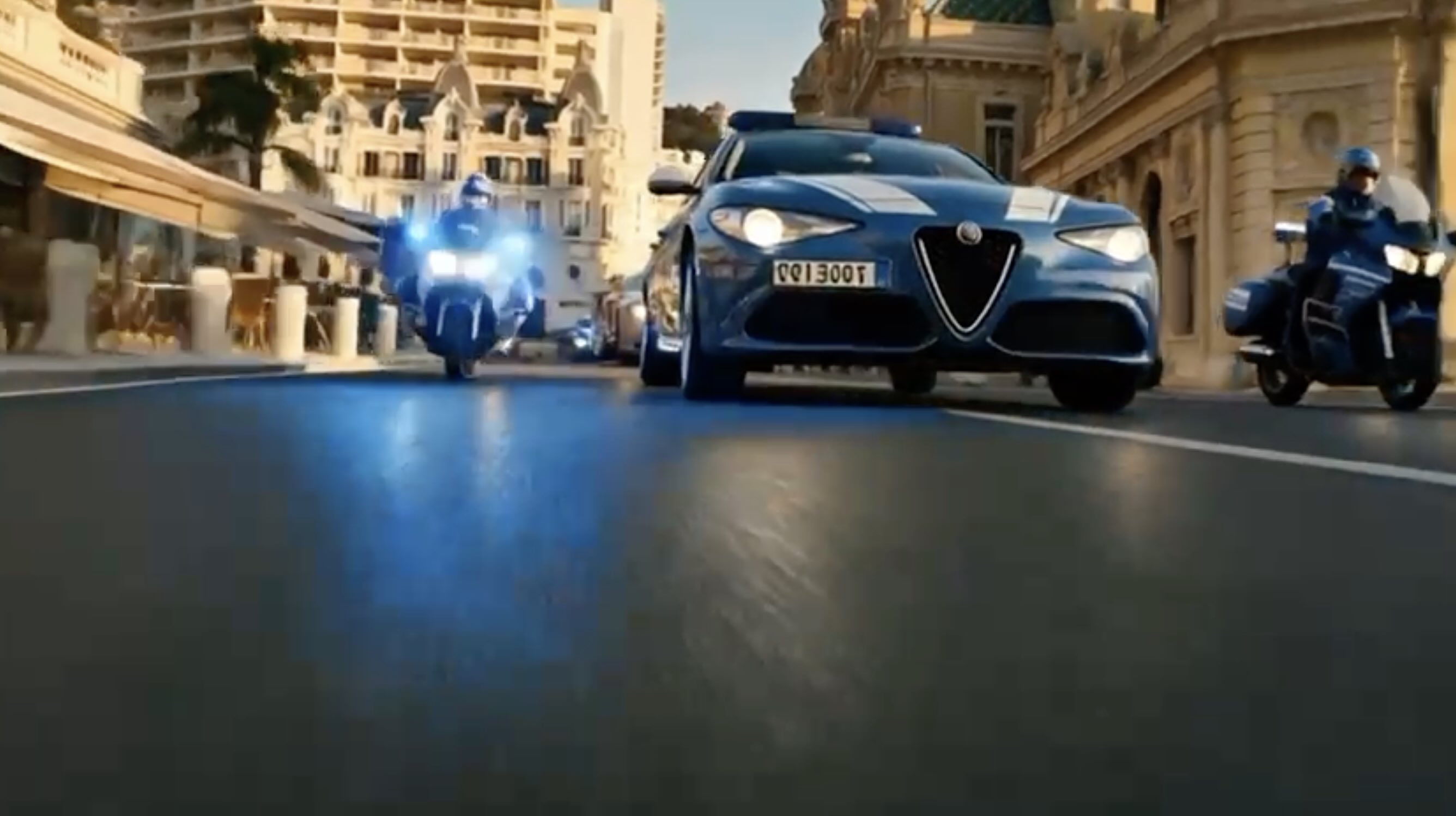
On a physical set, that's the job of the script supervisor — the person making sure a scene shot today doesn't contradict one shot last week. In AI production, that function doesn't go away; it just has no default owner. Here, it fell to our project manager on one side, and the director and producer on the client's side, reading through the material shot by shot together. Whatever they caught got fixed with targeted manual cleanup — repainting or removing stray lights, correcting a number on a uniform — without touching the rest of the frame.
Not everything came down to continuity. One of the key chase shots — motorcycles sliding across stone in a top-down wide angle — the model simply couldn't render convincingly: the scene's geometry and motion physics kept breaking at that angle. The fix wasn't a better prompt; it was an editorial one. We rebuilt that beat around tighter, more dynamic angles the model could handle reliably — the scene lost none of its tension, and picked up some pace in the process.
A similar case: a shot of poker chips scattering, which the client asked to make feel less "busy." The chips were already baked into the rendered shot as a whole — simply removing a few would have meant regenerating the plate from scratch. Instead, we reversed the direction they fell — down instead of up — which visually thinned out the frame without a single new generation; the client went with that version.
A separate category of limitation isn't creative — it's platform-level. Some generation tools flatly refuse to render certain content, and one of ours wouldn't generate an explosion for the finale at all. We had to find another way to the same result — building the shot from a combination of other generations and tools, staying within what was allowed. That's also part of the real work of AI video production: knowing where a given tool's ceiling is, and working around it with craft rather than trying to force a prompt past it.
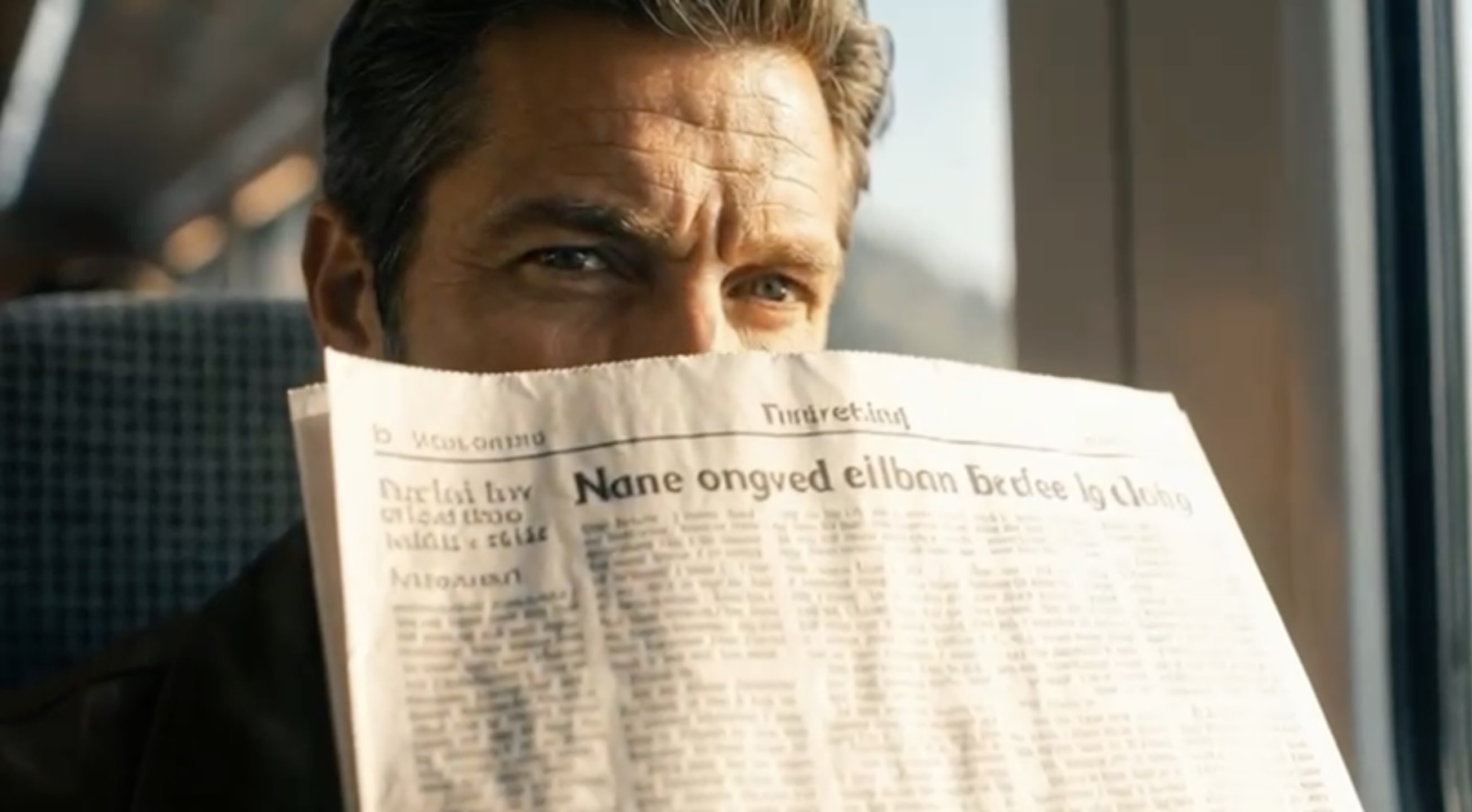
Then there were the details that are easy to miss mid-generation but impossible to unsee on a big screen: a typo in the casino's neon sign ("Monte-Car-O" instead of "Monte Carlo"), matching leg movement in a fight beat, the right car makes in frame for the Monaco setting. None of these needed "regenerate everything" — just a targeted fix, timecode by timecode.

Step 5: Cutting the Story
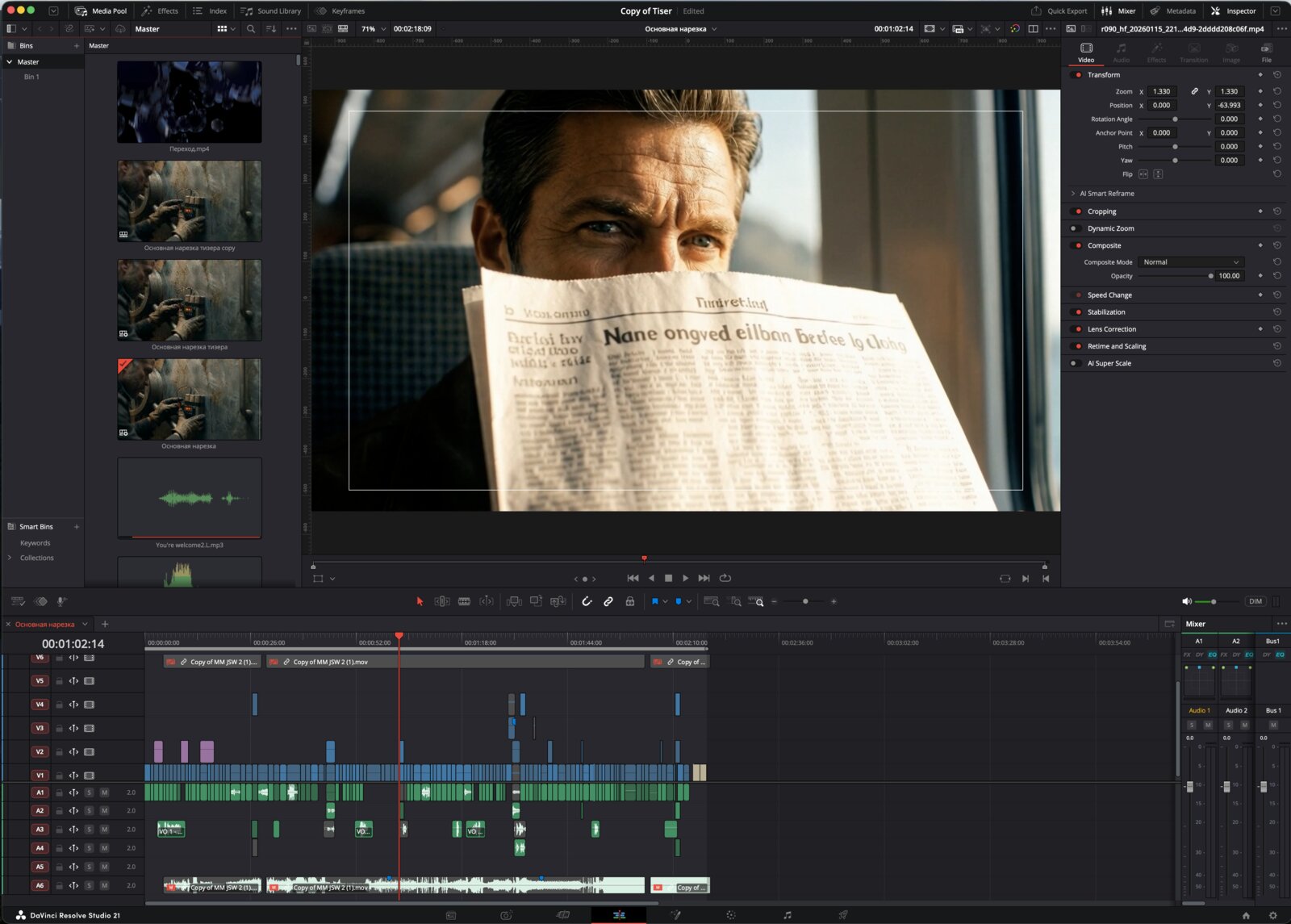
Raw AI takes don't assemble themselves into a story with rising tension — casino, motorcycle chase, train fight, prison bars, a final explosion, all inside two minutes of screen time. Classic editorial logic did the heavy lifting here, layered on top of the new technology: pacing, shot size, cut points, and how one shot pulls into the next shaped the feel of the film far more than the fact that any individual frame was generated rather than shot.
Step 6: Sound Design and Final Mix
A picture without sound. The final stretch — and, by feedback volume, one of the busiest on the project — was pulling voice, music, and sound effects into one cohesive mix.
Some dialogue had been generated together with the picture, baked-in audio and all; late script changes meant re-cutting some of those voices from scratch while preserving tone and lip sync. From there, sound effects went in layer by layer: a sledgehammer on a safe, a gunshot, tires screeching, metal scraping stone as a motorcycle slides, an engine revving, a final explosion, and fire crackling that deliberately doesn't fade out under the end titles, to hold the tension through the last frame. The licensed music track was synced to the action down to individual beats — the line "roll the dice," for instance, lands the exact moment two characters are literally rolling across the train car floor mid-fight.

The sound design brief grew as the project went on: it started as a single music track and ended up as several, plus extra dialogue inserts — a natural expansion as the edit itself kept evolving.
Before anything went to Jude for approval, we ran our own internal quality pass. An independent sound designer, brought on for audio only, caught on his own that a character's mouth was out of sync in one shot — nothing to do with his actual job, but he flagged it anyway. The final round of notes came from the director as a detailed, timecoded list — right down to the volume of a single door latch or how long the explosion's tail should ring out under the closing titles. That kind of precision in the last stretch is what separates a finished trailer from a video that's merely been edited together.
Results
Results
The two-minute "Monaco Maneuver" teaser was delivered without a single frame of live-action footage — built entirely through AI generation, editing, and layered sound design, with synced dialogue, effects, and licensed music. It's one of the clearer sizzle reel examples of what's possible when AI generation and traditional editorial craft are combined.
The film's team received the final cut with real enthusiasm:
"What an adventure. You guys have been great to work with. The final product speaks for itself. Truly impressive."
Jude Stephen Walko, Director, "Monaco Maneuver"
"Yes! I concur with Jude, the teaser trailer now looks GREAT! Syncing of music and VO is excellent."
Russ Neibert, Executive Producer, AA&M Productions
As a screenwriter, it was incredible to see my words come to life thanks to the talented team at Lava Media. Creating a two-minute teaser that allows investors, studios, and production companies to experience the story—rather than simply read about it—is an invaluable tool. It captures the intensity, emotion, drama, and action of the screenplay, giving viewers a genuine sense of the film's scale and helping them envision just how cinematic and epic the finished movie could be. Connecting the Monaco Maneuver development team with Lava Media turned out to be one of the best decisions we made. Instead of pitching with only a screenplay and treatment, we can now show potential partners the look, tone, and emotional impact of the finished film, making the project far more immersive and compelling.
As a literary agent, I immediately saw how valuable this service could be for my clients as well. Many authors would benefit from creating cinematic book trailers not only to promote their books at launch, but also as a powerful tool during the submission process. Giving publishers the opportunity to see a story unfold visually, rather than simply reading a synopsis, creates a much stronger emotional connection. It also helps showcase how naturally a project could translate to film or television, opening the door to adaptation opportunities from the very beginning.
Kelly Thomas, Associate Literary Agent, Serendipity Literary Agency
For us, this project is a clear example of why AI video production matters for filmmaking — not as a replacement for a production crew, but as a way to hand an investor or partner more than a logline on paper: the actual feel of the finished film — picture, sound, and pace — before a single camera rolls.
Need a video built with AI?
Whether you're comparing an AI movie trailer generator to a full creative team, or looking for an AI video production agency that can take a script from page to screen, Lava Media is the AI video production company behind this project. Get in touch to talk through AI video production for your next project.