Video Blog
LinkedIn Video Ads for B2B: What Actually Works and What It Costs
Real Examples, Real Costs

Sergey
October 23, 2026
Real Examples, Real Costs

Prefer to watch instead of read? This article is the written version of our latest episode. Hit play below — every example is on screen, and it's the fastest way to see what actually works.
Advertising on LinkedIn is expensive — much more expensive than Meta or YouTube. So when you see a company running the same ads for months, it means they're getting results. Otherwise they would have stopped a long time ago.
Here's the useful part: you can look at all of those ads. LinkedIn has an open ad library, where you can see exactly what your competitors are spending money on right now.
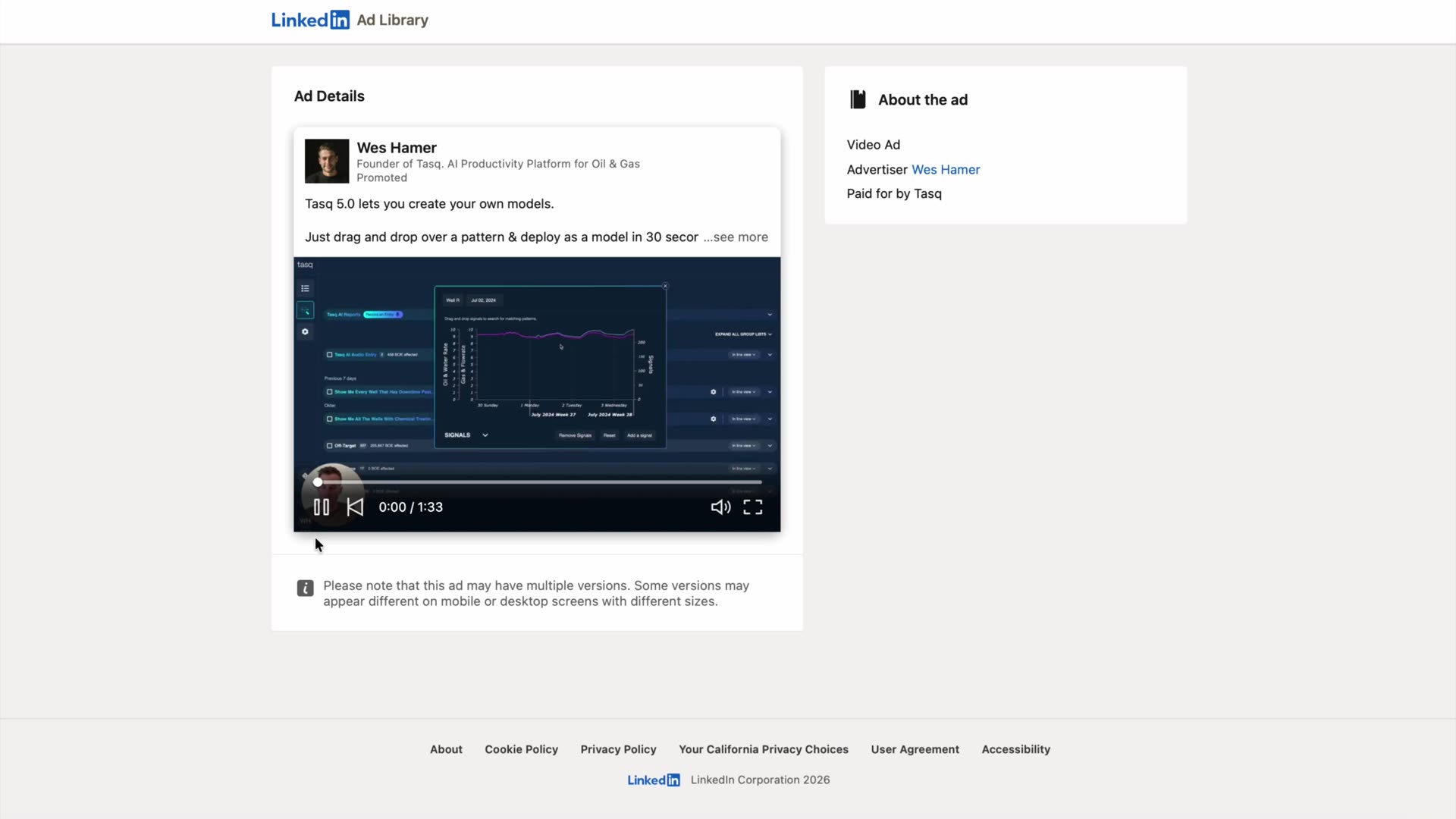
We went through dozens of B2B ads and picked the ones with a real strategy behind them. Below: which formats work, what each one costs, and the mistake we see most often.
Start with Omineca. They build conveyor systems for mining sites — you won't find a heavier industry. Their video works as a cover for the post: the main text carries the message, and the video is just the wrapper that catches the eye. We used to attach a photo or an illustration for that job. Now a short video does it better.
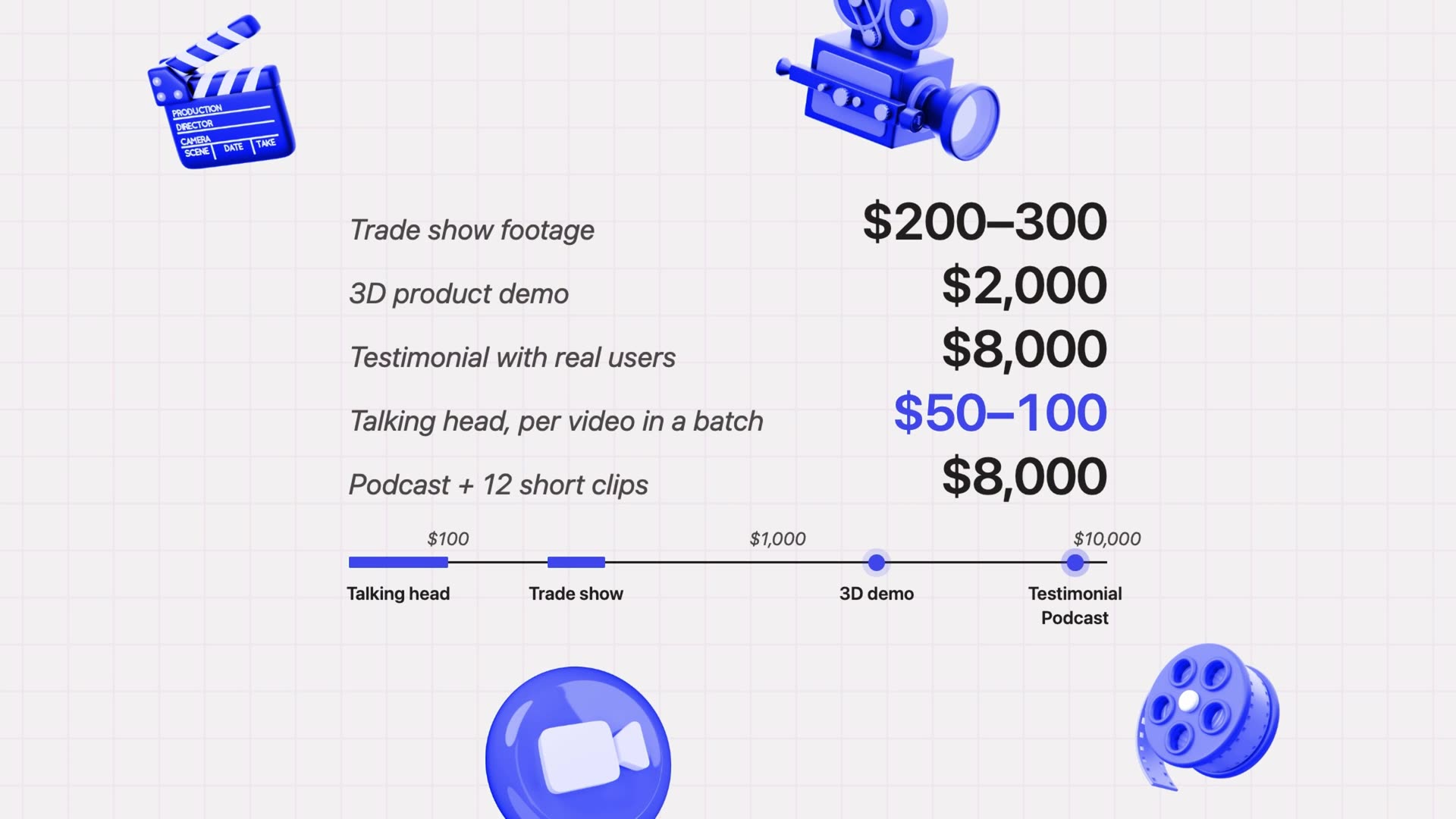
A video like this costs $200–300 if it's basically editing.
Say you want to explain the technical advantages of your startup to a CTO. You can put everything into a full video and run a targeted campaign. Or you can write it as text and attach a 5–7 second loop — something atmospheric, or something specific, as an illustration. Which is better depends on the audience, so test both.
Where it definitely works: if you already post two or three times a week alongside your paid campaigns, add video covers to those posts. Video stops the scroll, and a person who stops is far more likely to start reading. It's especially useful in heavy industries. If you install wind turbines, you have a lot to say but don't need a long film — write the post and attach 5–7 seconds of professional stock footage of a turbine at work.
And a factory doesn't have to mean a boring video. Here's a corporate film we made for an industrial plant, built entirely on creative storytelling, like a real commercial:
Case study: why industrial brands need creative storytelling
If you work in this space, see how we approach video production for manufacturers.
If you sell to businesses, LinkedIn is your network. It's basic digital hygiene, and it pays off in three free ways.
People check you. A prospect visits your website, looks at a couple of pages, then goes to your social media — to see your latest news and your following, or simply to confirm you're not a company that opened last month with nothing but a website. You don't need every network: LinkedIn, plus Threads or X, plus Instagram is the basic minimum.
Indexing. LinkedIn posts and articles get indexed by search engines. A short post you don't want on your website can still work for your SEO on LinkedIn. X doesn't do this, and Threads doesn't yet.
Free reach through tagging. Tag clients, partners and contractors, and their networks see you. Finish a project, tag the client — their followers see it, and every like or comment adds reach. Instagram doesn't work like this: if the client doesn't repost your Reel, only your own followers see it. At Lava Media we publish roundups of creative videos and tag the creative directors behind them. Those posts get extra reach, and we haven't spent a cent on it. (Follow Lava Media on LinkedIn to see how it works.)
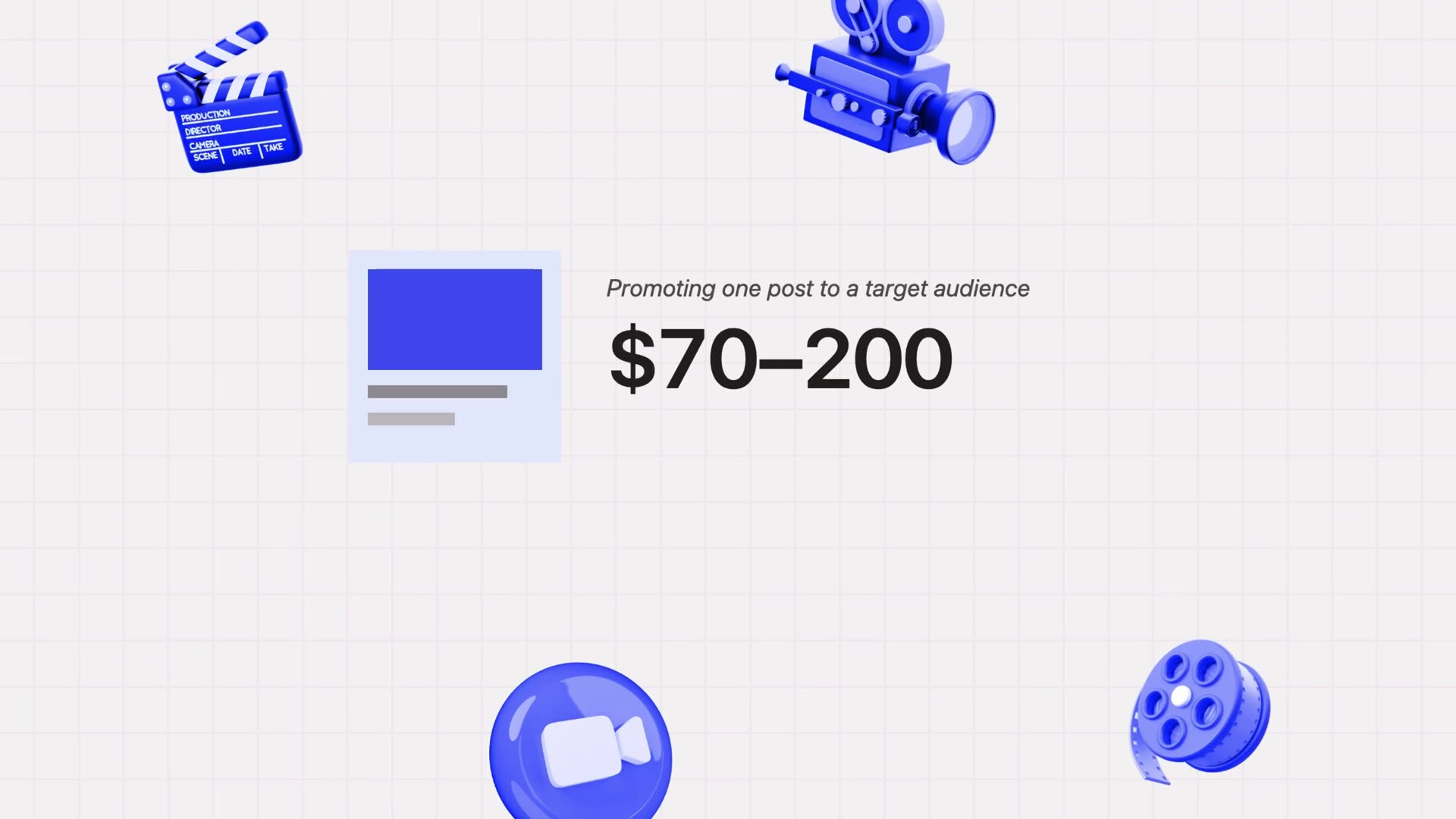
Everything above is free — it only costs your marketer's time. For targeted campaigns, promoting one post to a target audience runs about $70–200. For a full campaign, budget from $2,000 a month.
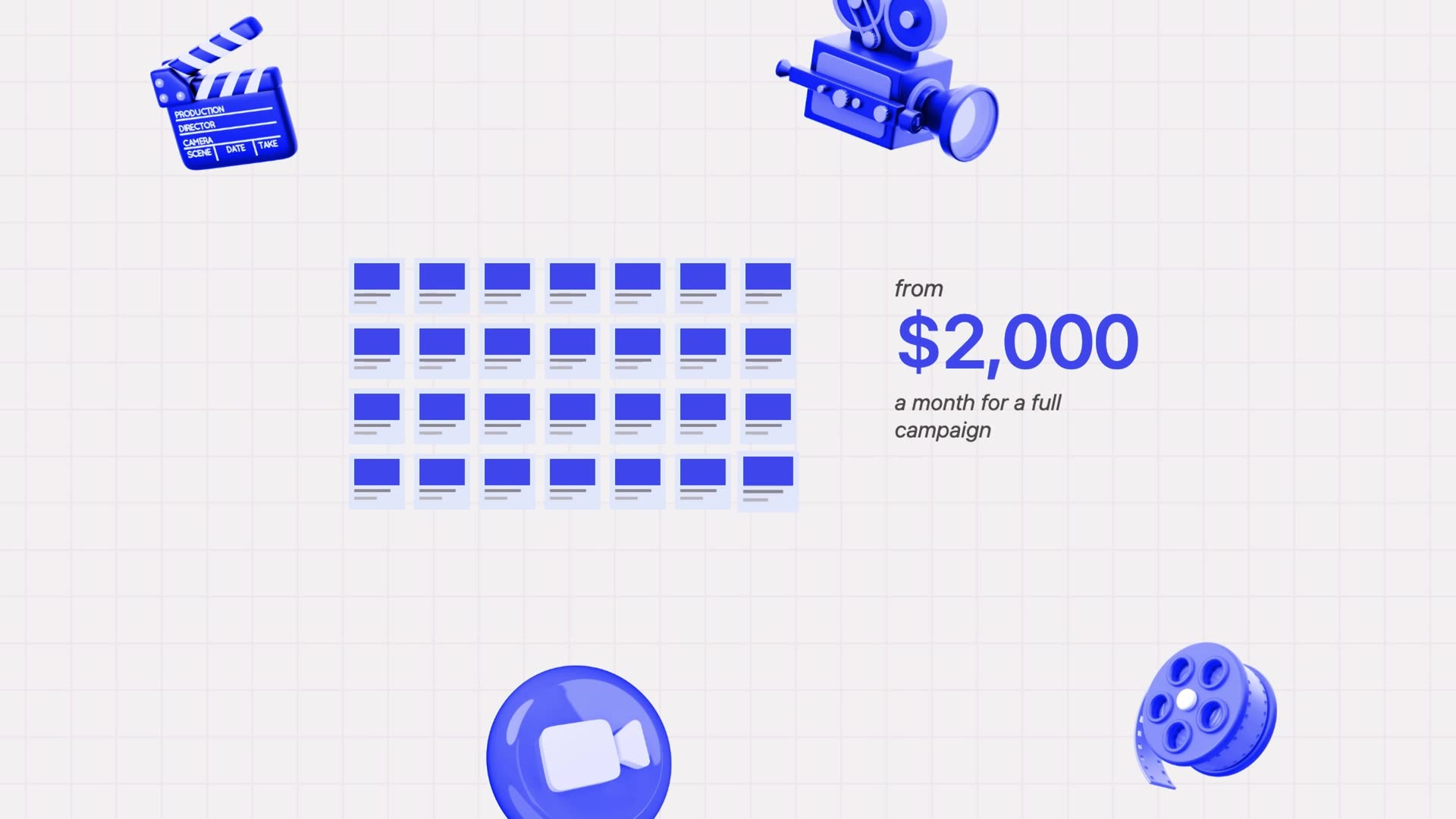
This is the real difference between LinkedIn and Instagram, and the reason you can't just move your Instagram content over. On LinkedIn you can target by industry and by job title. That means your video content has to be specific.
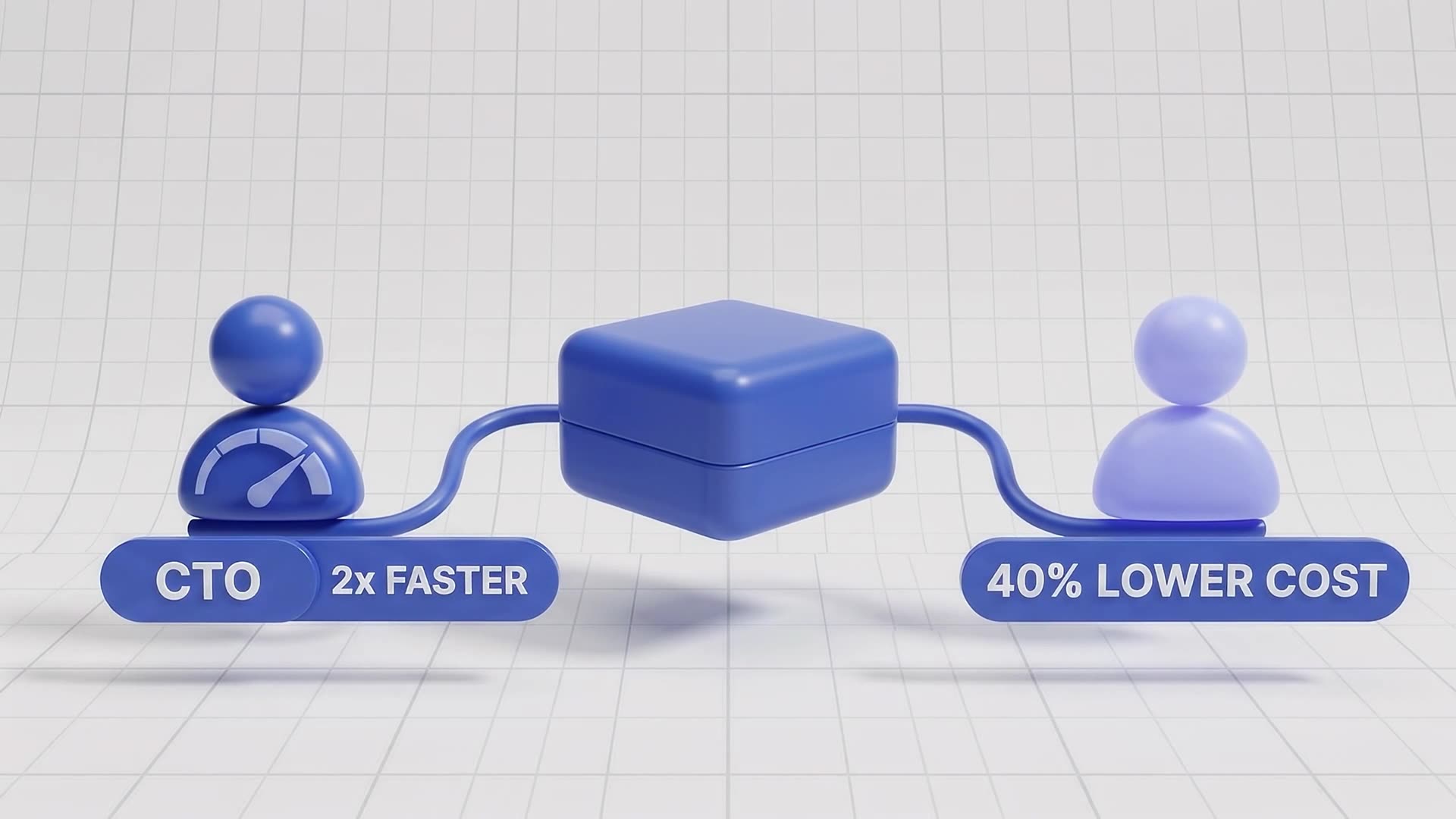
Broad awareness campaigns can work if you're completely new to a business audience — Panaya, for example, runs a straightforward product video with a general message. But in most cases you need to segment. If your product serves both a CTO and a CFO, each needs their own content: tell the CTO how you're technically better, tell the CFO how you're more cost-effective.
The difference isn't only in the message, but also in the type of content: a 30-second ad, a case study, a client testimonial. Panaya also runs a longer testimonial from their client A.O. Smith.
You publish all of it on your page and promote different posts to different audiences.
What not to do: don't pick ten audiences, make ten ads for each and spread budget across all of them. Pick your priority audience, take two or three messages, turn them into two or three videos, and test. Then move to the next audience and compare. This is exactly how we plan LinkedIn video ads for our clients.
Experimenting with formats is right — but it has to be deliberate. What we see all the time: a company wants a 5–10 second cover, grabs an iPhone and shoots something itself. It looks unprofessional. A cover is an illustration — buy clean, clear stock footage so it works as a proper wrapper.
Another version: a marketer hears that "live content works," takes a phone and walks around the production floor for five minutes, narrating. Also bad.
The right way: set up a camera properly, even a basic one, and shoot 15–20 seconds of something specific — a worker operating a machine on the line — then add text explaining why that machine matters. That can be great content. But whoever shoots it needs to know the basics of a decent frame, even on an iPhone.
People understand the formats. What they don't understand is where to do it themselves, where to hire professionals, and how to mix the two.
Not always much. On YouTube, an ad plays before your video and everyone knows it's an ad. On Instagram, the CTA buttons make it obvious. On LinkedIn the buttons are there, but a promoted post simply appears in someone's feed — almost as if a contact liked it. People expect their feed to reflect their own network, so a polished commercial gets recognized as an ad and scrolled past.
That's why phone footage can work on LinkedIn — but only as a deliberate choice, not as a way to save money.
Invent Medical runs completely different videos at the same time:
The trade show booth video (shot on a phone):
The 3D product demo:
The product video with real users:
Completely different production levels, completely different messages. A likely strategy: geo-target the booth video to everyone who attended the event — someone who walked past the booth sees it in their feed two days later and finally stops. The 3D video goes to a wider list of companies they plan to approach, introducing the product before the sales conversation.
Speaking of trade shows — we once had ten days to make a video for a bank's booth, and deliberately didn't use AI even though it would have been faster and cheaper:
Case study: a trade show commercial for a bank in 10 days
Don't be afraid of experiments like this, even if all your content is polished — audiences get used to polish too. The point isn't to make things badly on purpose. There's a difference between "done badly" and "done live."
On 3D vs. AI: for one medical device, AI simply didn't work — here's the full breakdown of that decision. If you're in healthcare, see our medical and healthcare video production.
Case study: medical device video — 3D or AI?
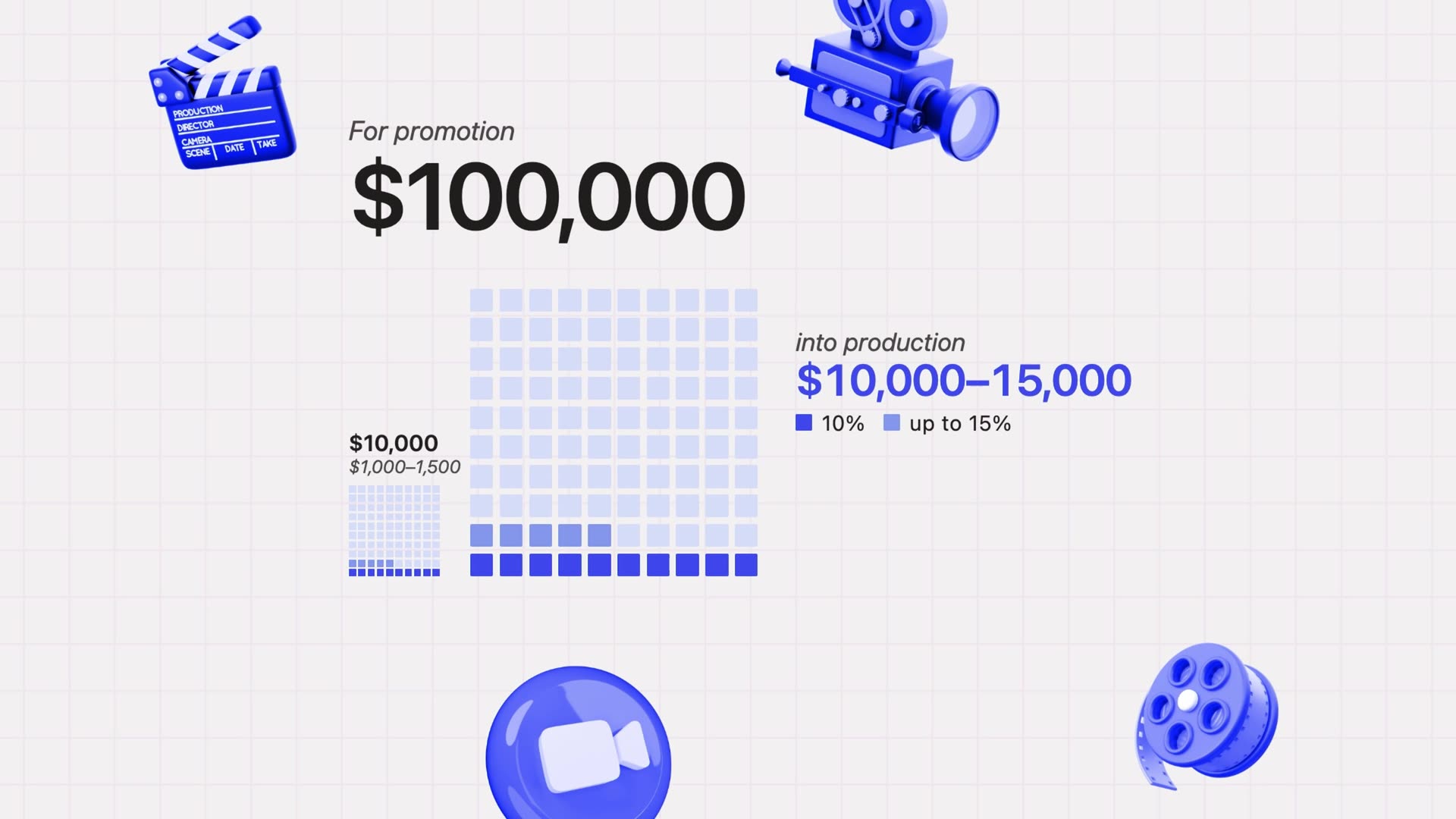
Production should be about 10–15% of your media budget. With $10,000 for promotion, put $1,000–1,500 into production. With $100,000, put $10,000–15,000. If you spent more on the video than on promoting it, most likely nobody will see it.
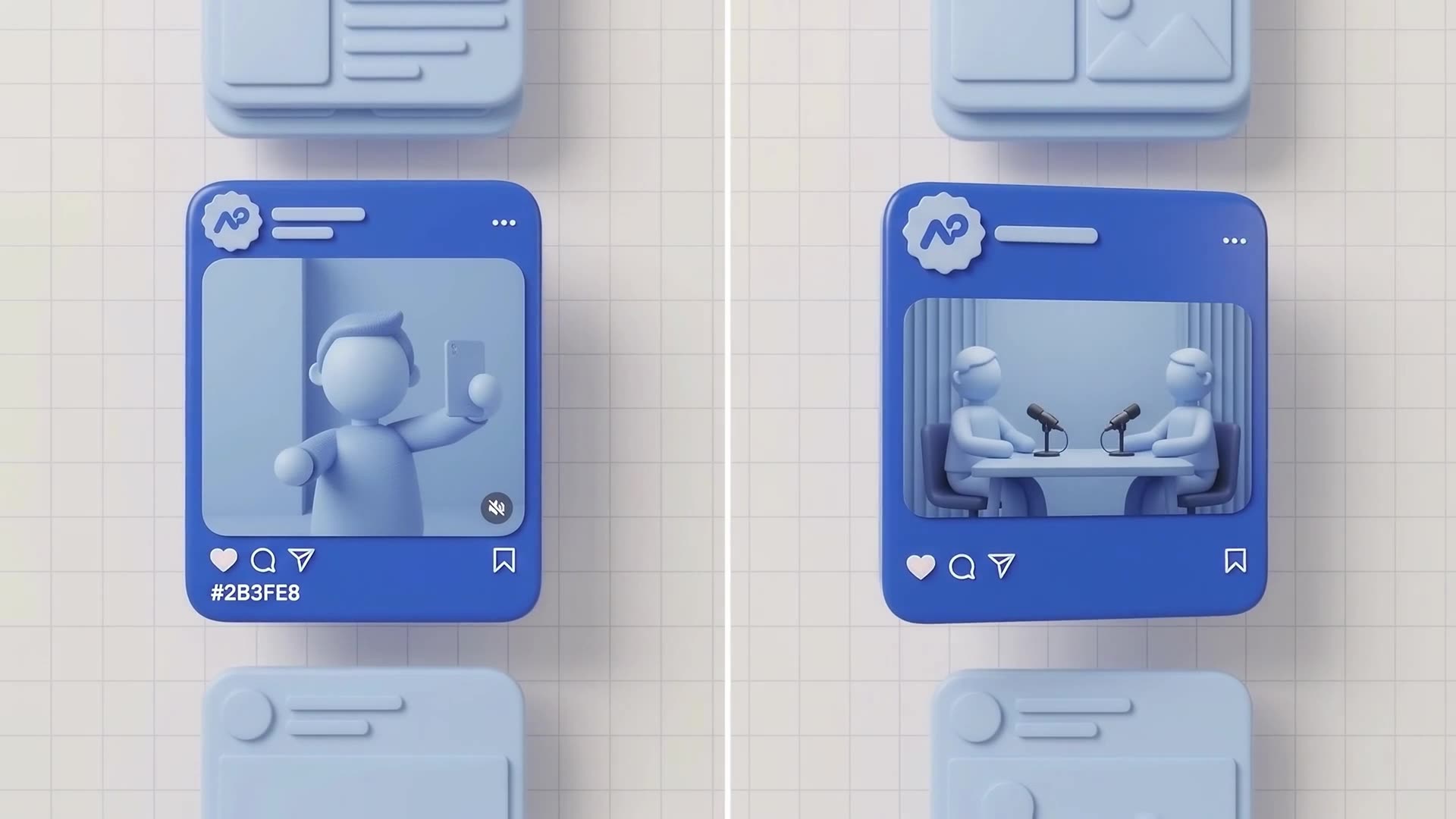
CrowdStrike has its own ambassador — a creator who constantly posts vertical videos. The format came straight from Instagram, but it works on LinkedIn: when promoted, a decision maker scrolling the feed suddenly sees a person talking about IT security in an engaging way — and he turns out to be from CrowdStrike.
They also run horizontal podcasts and cut them into vertical highlights for the LinkedIn feed. Two people at the same company: one gets caught by the guy talking against a wall, the other stops for the polished podcast interview. Either way, the marketing job is done.
(We explained why podcasts matter in our previous episode on B2B video marketing strategy — or watch it on YouTube.)
LinkedIn isn't optional for B2B — it's basic hygiene. The free side builds trust, indexing and reach through tagging. The paid side gives you narrow targeting, and your content has to be built for it, not copied from Instagram.
The companies that win are the ones testing: different messages, different audiences, different production levels — from a 3D video to a phone. But test with intention: know where you can do it yourself, where you need professionals, and how to mix the two.
Your homework: open the LinkedIn ad library, look up your main competitor and see what they're running.
If you need video built for LinkedIn, see our LinkedIn video ads production service or talk to Lava Media — the first conversation is free.
For a new breakdown every week, subscribe on YouTube and follow us on LinkedIn.