Medical Device Animation for Accu-Chek: A Training Video Case Study
A studio-shot training video series with 2D medical animation
Services
Marketing Goal
Reduce HCP training time
Target Audience
Healthcare professionals
Project Timeline
3,5 moths
Project Overview
Client: Roche / Accu-Chek, via Ogilvy
Industry: Pharma / Medtech
Format: Studio-shot training series with 2D medical animation
The Challenge
As part of our healthcare video production work, we partnered with Accu-Chek to turn a complex insulin pump setup process into a training video series physicians could hand off to patients directly.
Accu-Chek was scaling its Infusion Systems line — an insulin pump and its consumables for Type 1 diabetes patients. The pump itself is a complex medical device that patients wear around the clock, and every new patient needs a walkthrough on how to set it up and use it correctly.
The pharma marketing team's goal was straightforward on paper and hard in practice: produce a medical device training video series that would let physicians hand off much of that walkthrough to video, freeing up clinical time in-office. The brief called for:
- studio-shot footage with multiple camera angles and dynamic editing
- on-screen text, graphics, and infographics layered over the footage
- professional voiceover
- a look and pace that would feel modern and easy to follow, without losing any of the technical accuracy the FDA-regulated content required
In short: a pharmaceutical video production brief where "engaging" and "clinically precise" had to coexist in the same frame.
Project Execution
Pre-Production: From References to a Locked Floor Plan
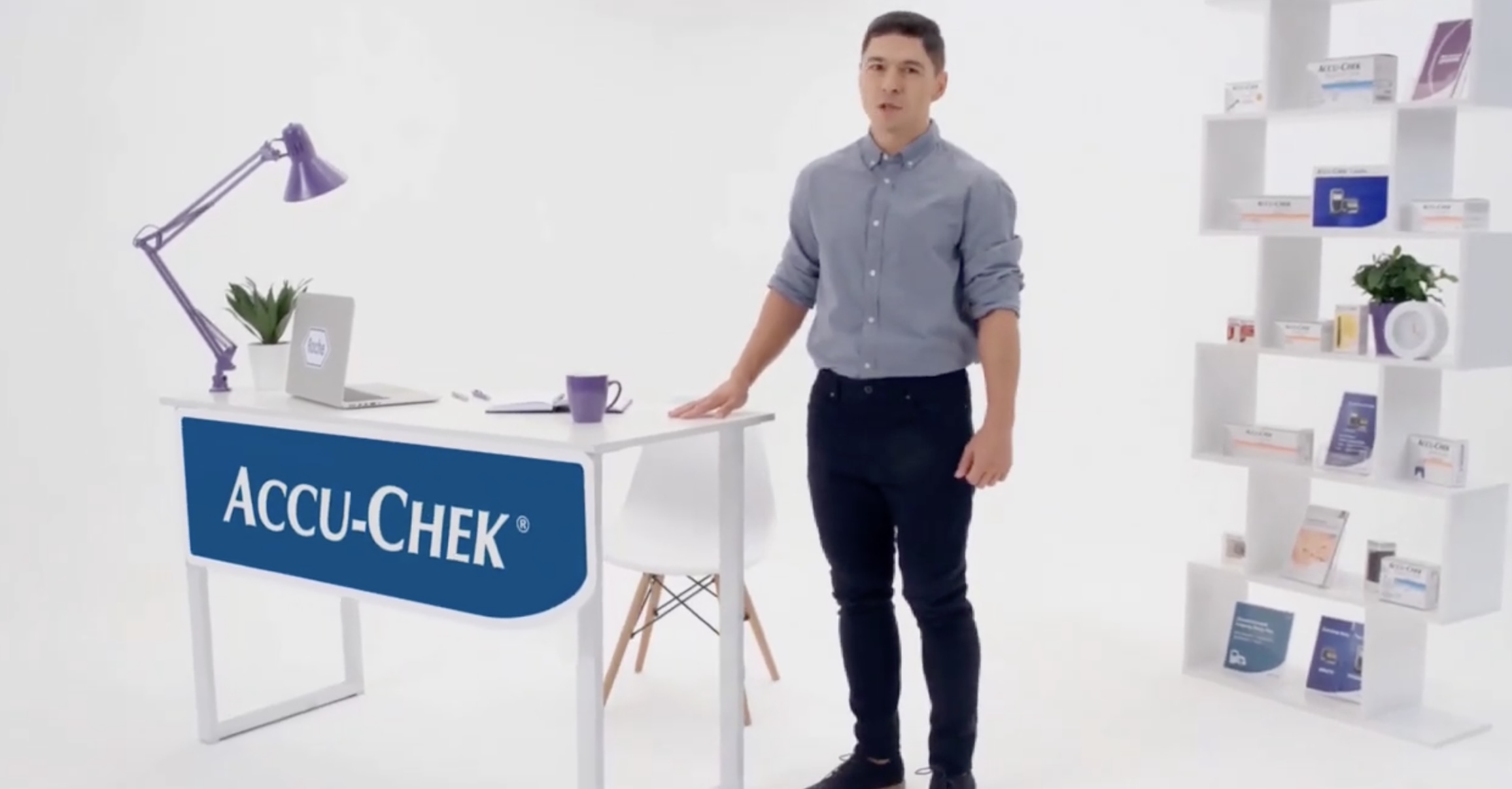
We started the way most solid healthcare video animation services engagements start — with references. We pulled examples of comparable training formats and walked the client through a presentation showing how the finished series could look: presenter style, studio lighting, close-up treatment of the device, and how graphic overlays would carry the technical detail.
We went one step further than a typical deck and built an actual floor plan of the studio layout — furniture placement, presenter zone, and the shelf display of the full Accu-Chek product range — so the client could sign off on the physical set before a single frame was shot.

Production: Studio, Craft, and Brand in Every Detail
Studio. We booked a large cyclorama studio in white — the contrast it gives was essential for making small interface elements on the pump readable in close-up shots.
Camera. We shot on a jib for smooth, sweeping camera moves, adding visual energy to a format that, by nature, leans instructional and static.
Brand in frame. Furniture, props, and even the presenter's wardrobe were styled in Accu-Chek's brand palette — a detail that keeps a training video from feeling generic among the sea of stock patient education videos available online.
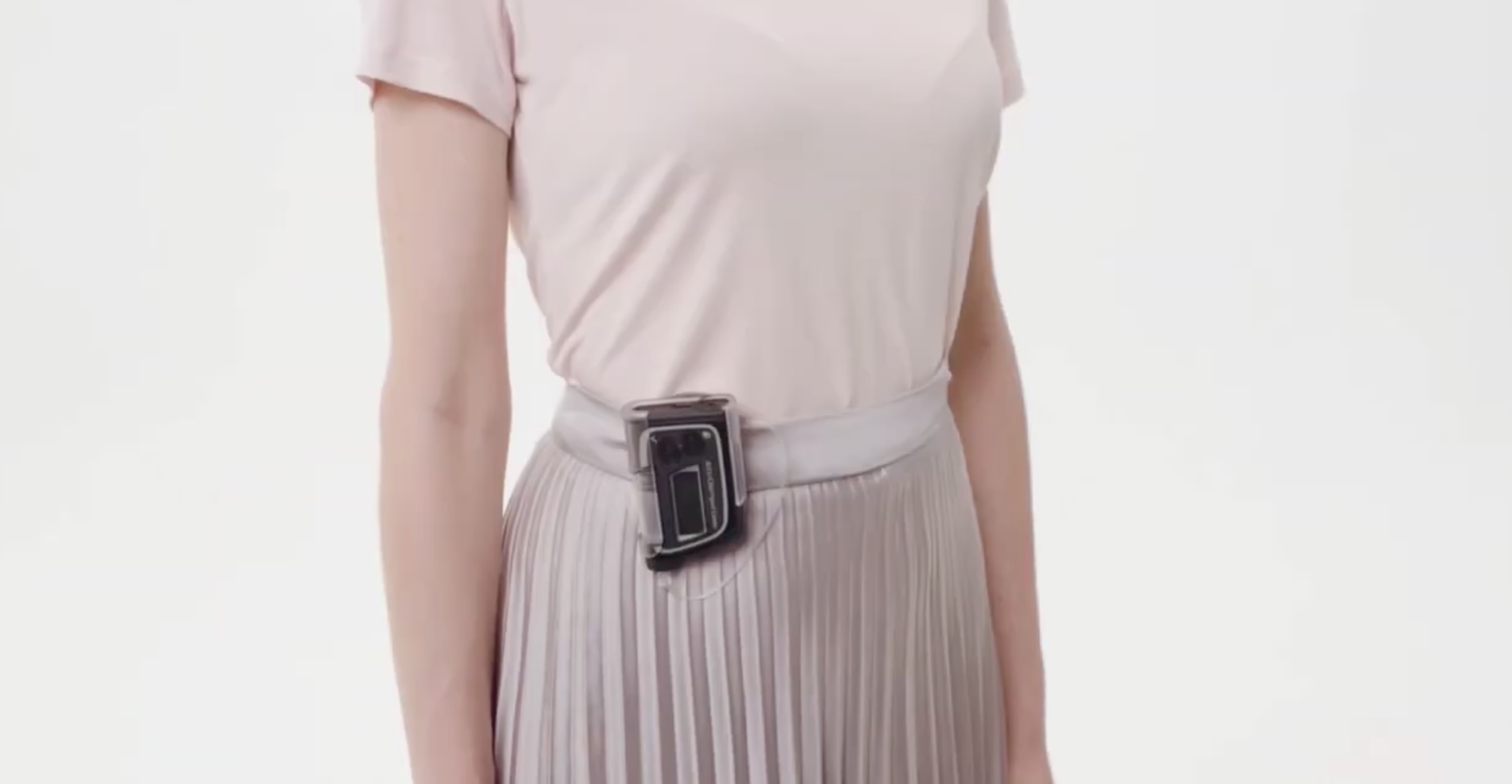
A studio within a studio. We built a separate, compact macro set purely for close-up device shots, so we could show the pump's buttons, screen, and ports in sharp detail without compromising lighting quality when switching angles.
Production challenges worth naming
Because the material wasn't shot in a straight script order — different segments were captured out of sequence, from different angles, to be assembled later — we brought a script supervisor onto set. Without that role, the non-linear shoot order would have made it easy to lose track of which technical step belonged where.
The second challenge was more granular: tracking exactly what was displayed on the pump's screen in every take. Since the video teaches viewers specific button presses and menu navigation, the on-screen state had to match the device's real interface logic in each shot — a level of precision that separates real medical device training video production from a generic corporate shoot.
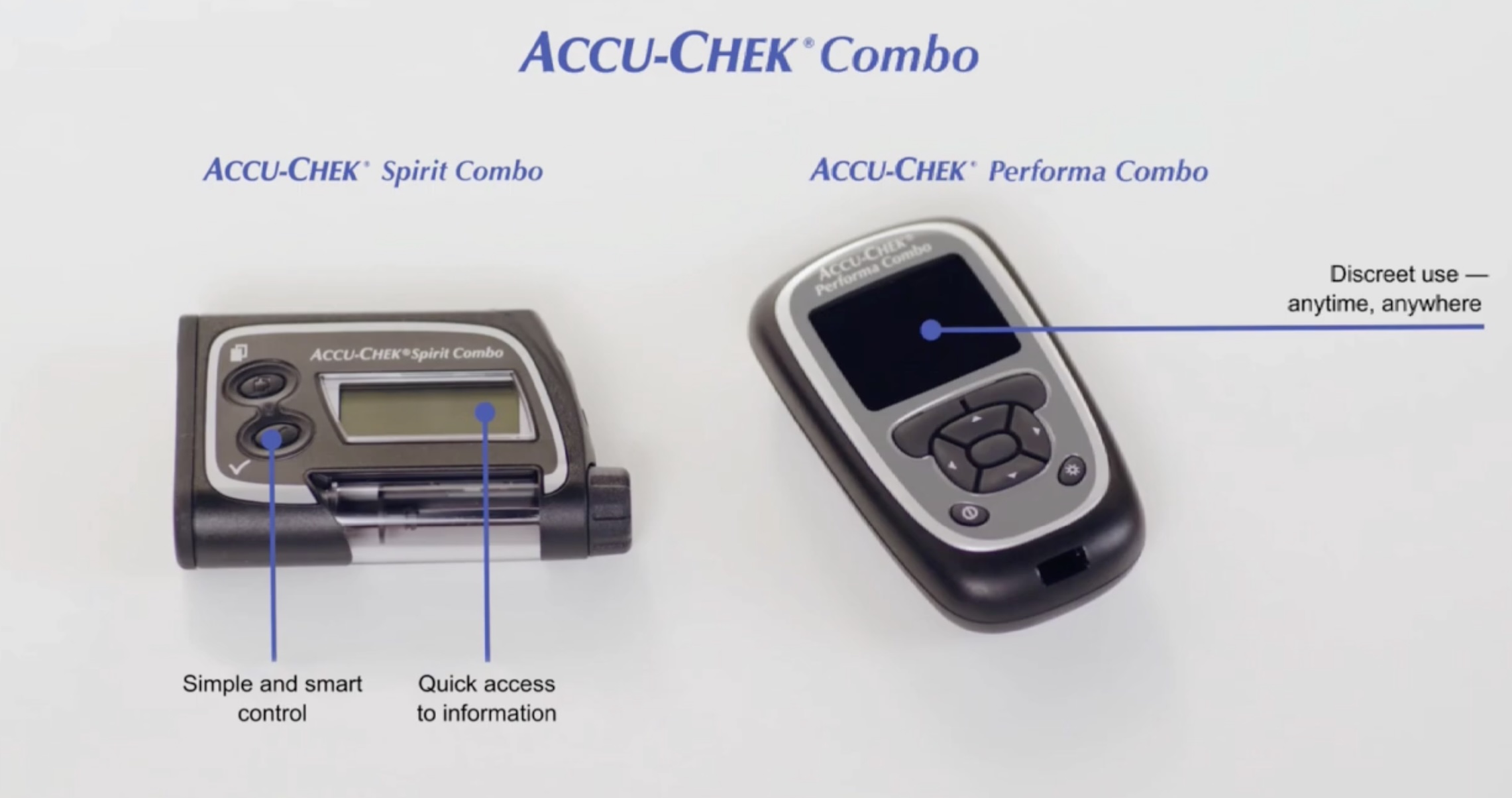
Post-Production: Where Medical Animation Videos Do the Heavy Lifting
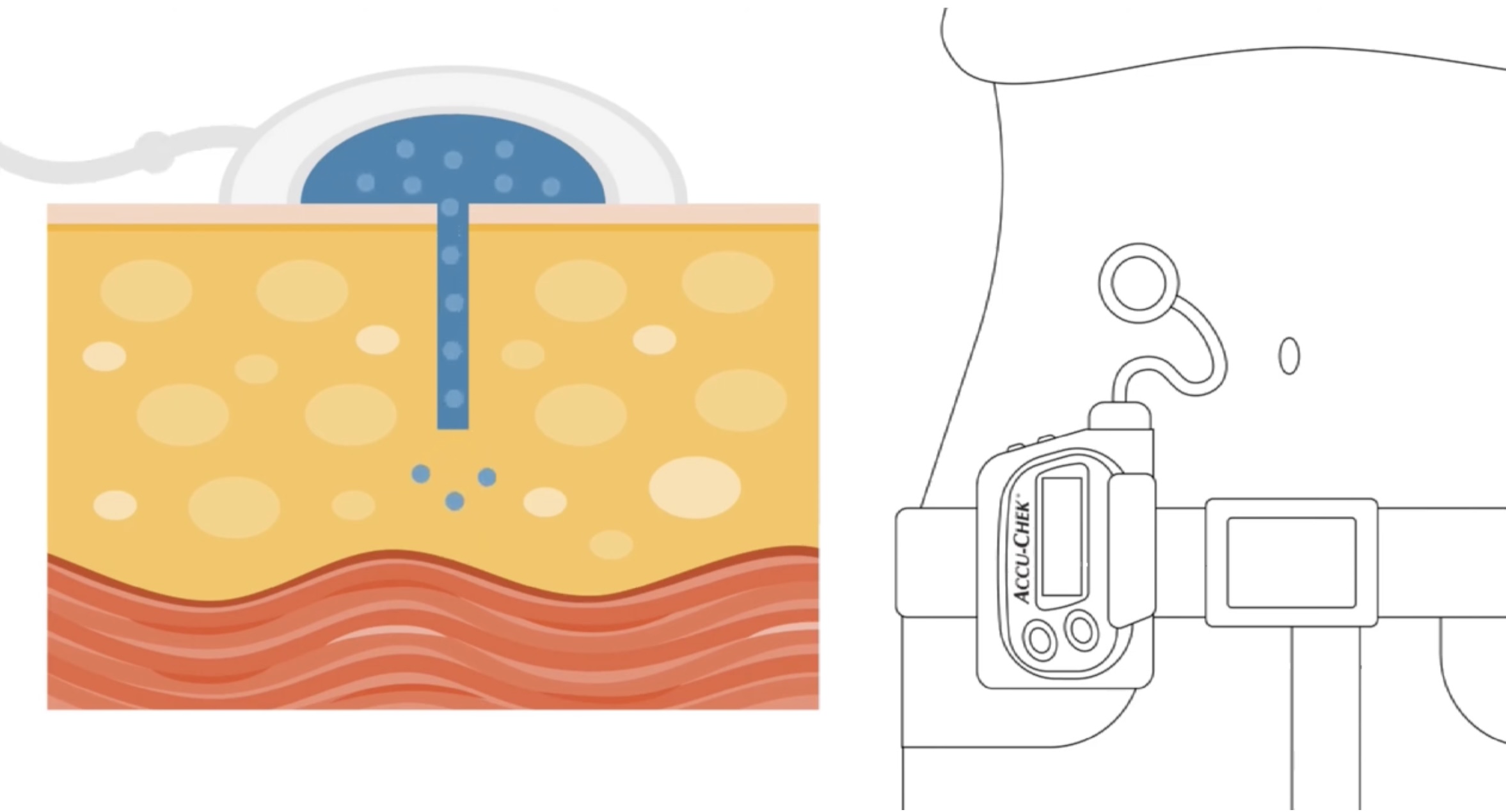
Some parts of the story simply can't be filmed. How the pump's cannula sits under the skin. How the mechanism delivers micro-doses of insulin, mimicking a healthy pancreas. For that, we built a dedicated 2D medical animation sequence — a category of medical product animation that consistently outperforms live footage for explaining internal mechanisms, because it can show what a camera physically cannot.
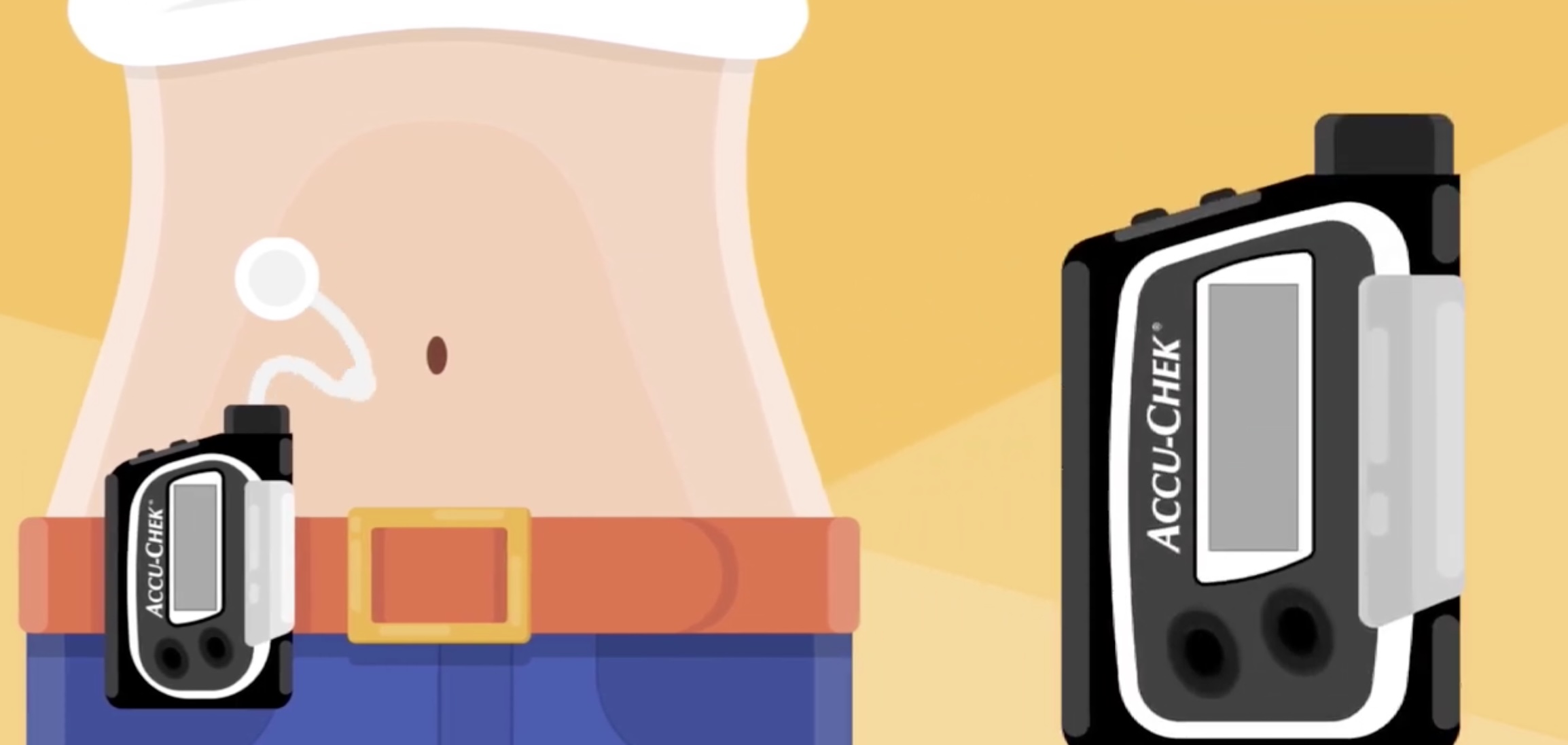
On top of the studio footage, we layered explanatory captions, infographics of the pump's interface elements, and on-screen graphics that walk through each step in sequence — exactly the visual support the original brief called for.
Results
Result
The finished series walks physicians and patients through the full Accu-Chek Combo experience: the principles of pump therapy, how to wear the device, remote setup, and the Bolus Advisor function. The format blends three layers deliberately — a live presenter for context and trust, macro shots of the device for precision, and medical animation for the internal processes no camera could ever capture.
For pharma marketers evaluating medtech video production agencies, this project is a working example of what "clinically accurate and genuinely watchable" looks like when live-action, close-up device work, and animation are planned as one system rather than three separate deliverables.
This project is part of our ongoing work in healthcare video production — from live-action training series to fully animated explainers. If you're evaluating a partner for a similar medical device video production need, take a look at how we approached a comparable challenge in this medical device video production case study, or see how 3D animation carried the technical weight in this medical device 3D animation case study.