AI
The Node Structure in AI Video Generation
A Personal Take on Structure, Workflow, and Real-World Tasks

David
April 10, 2026
This is David—Art Director and AI Video Creator for business.
I’ve been thinking lately about the node structure in video production and AI. I’ll try to formulate my thoughts here on why node-based AI systems are becoming such a game-changer for the modern AI video production workflow. As AI video generation moves from being a novelty to a serious professional tool, we need to talk about how generative AI for video can actually be managed and scaled. For those of us focused on video marketing automation, it’s no longer just about hitting a "generate" button; it’s about the underlying architecture that makes our creative results predictable, repeatable, and ready for high-level marketing tasks.
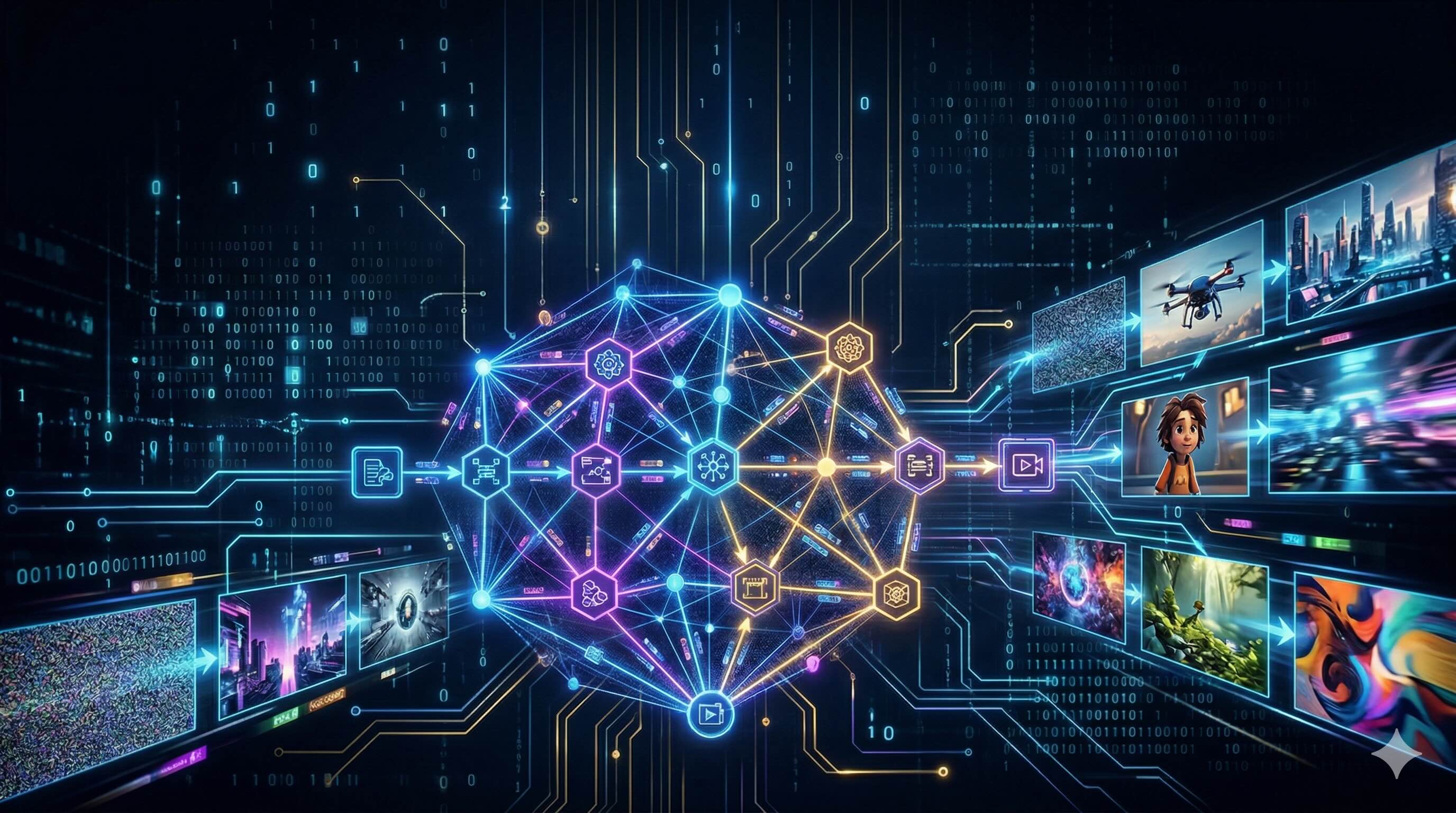
To put it simply, a node system is a tool with clear inputs and outputs. It’s a series of "compositions" connected by "threads" that form the final result.
The main convenience? You build a large structure, and if you need to change something at the beginning or in the middle of the system, it automatically recalibrates the final output.
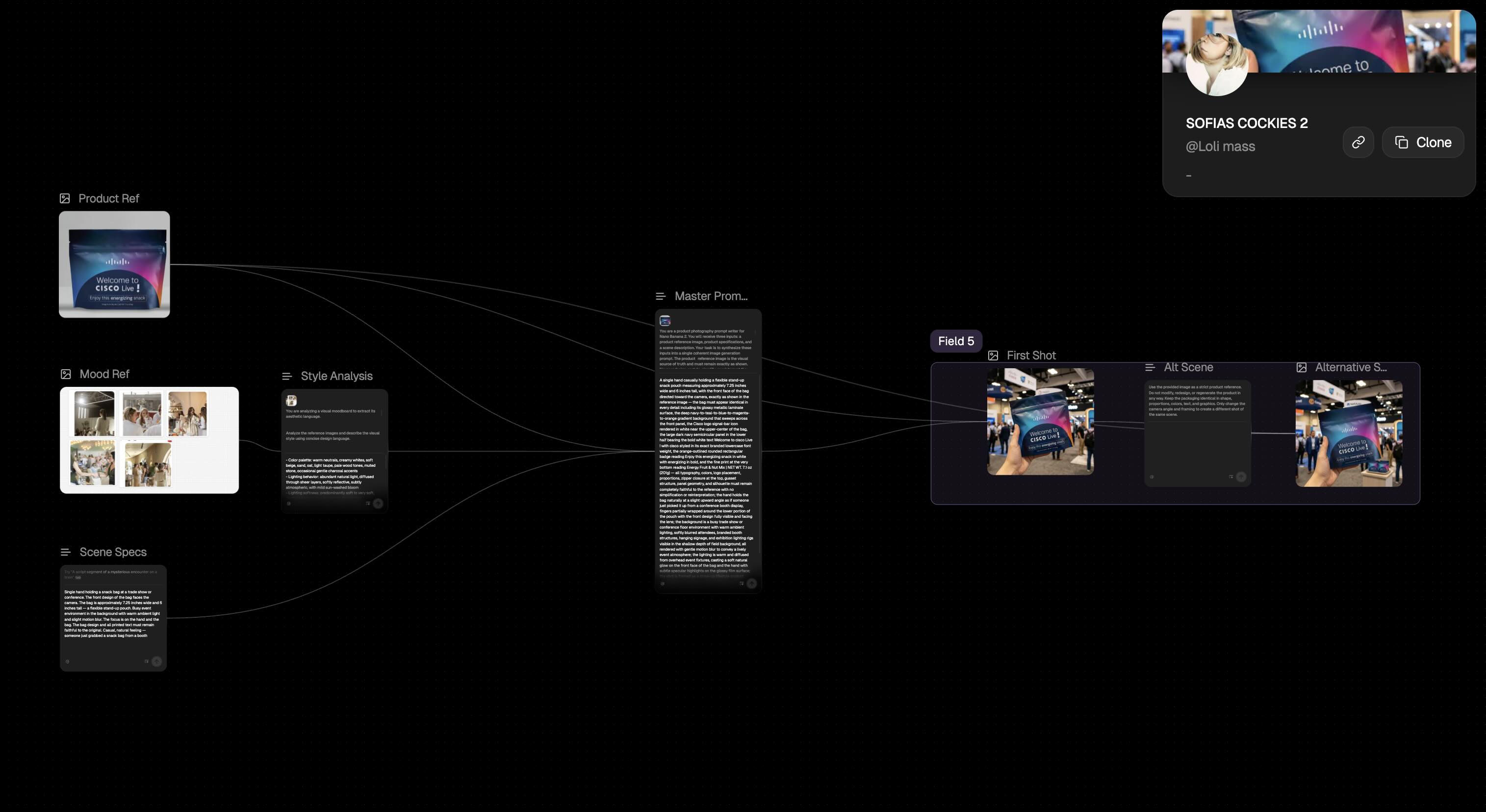
In video marketing, this is a killer feature for product shoots. Let’s say you have a specific object that needs to be integrated into various environments or states. This object serves as one of your input nodes. If you decide to swap it for a different product line, it integrates harmoniously into all the final shots you’ve already set up. You don't have to rebuild everything from scratch.
You can’t really call nodes a "brand new AI invention." It’s more of an interaction choice. In motion control, node systems have a massive impact. If you’re working manually rather than through automated tools, nodes are essential because of the sheer volume of fine-tuning and templates involved.
Essentially, it’s very similar to working with compositions in After Effects or DaVinci Resolve. The mechanisms are just different. In AE, you have "pre-comps"—mini-folders inside a project. You make a composition (e.g., an object moving left to right), drag it into another composition, add a specific element on top and merge it into a final shot. A node system does the same thing, but it’s more convenient because you see the entire chain right in front of you and can quickly edit any link.
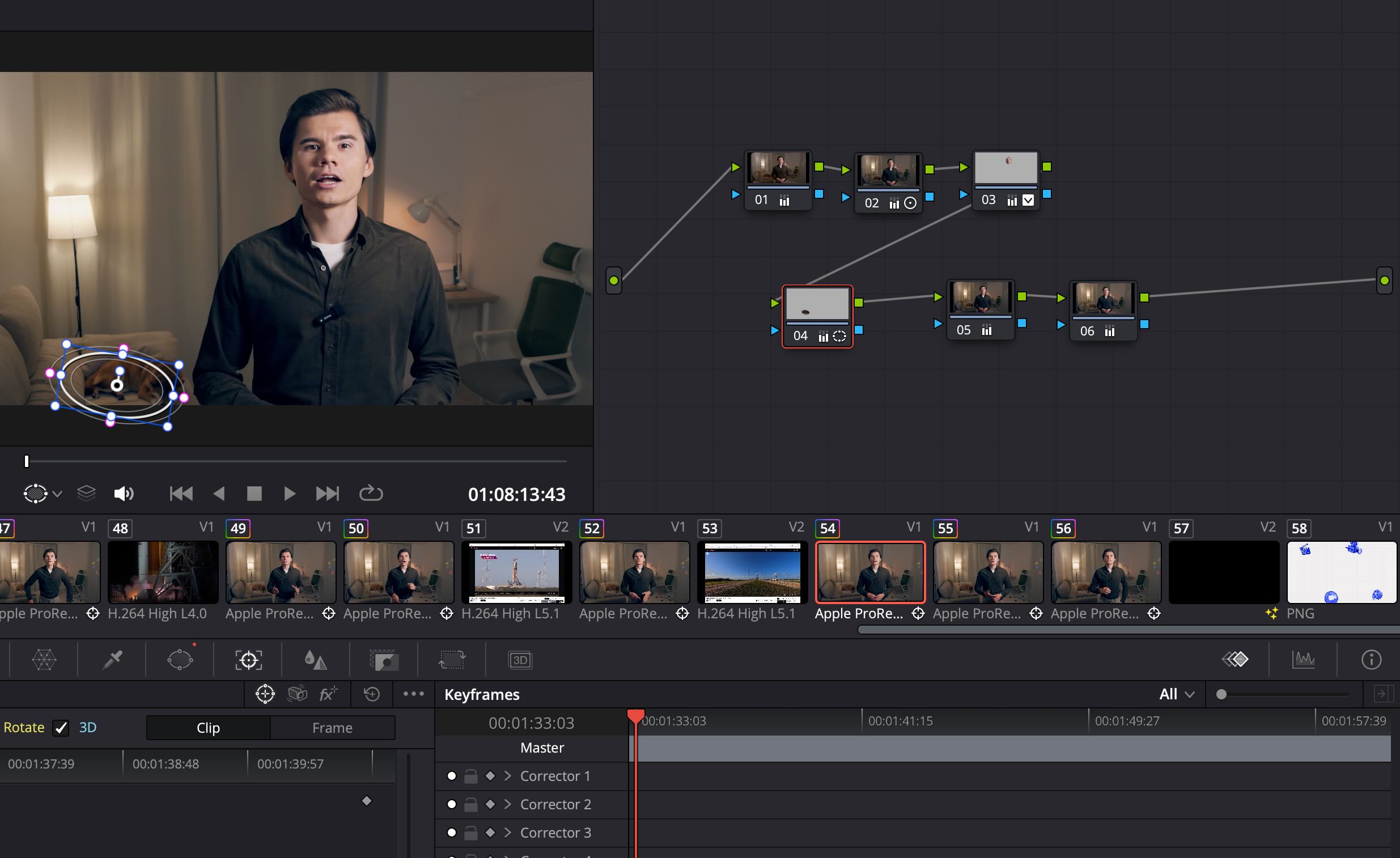
The main goal is a controlled result—at least as much as the tool allows.
That said, most node-based tools currently available online are fairly shallow. They haven’t reached the functional depth of systems like Houdini or the generative nodes in Blender. Plus, everything is currently cloud and subscription-based, whereas the industry needs a unified format for maximum efficiency.
A tool like Higgsfield is basically a ready-to-go solution built for you. There is no node structure there, and that’s neither good nor bad. It’s just a different way of selling to different audiences.
For those choosing nodes (like ComfyUI or Flora AI), the priority is feeling the "fineness" of the tool's settings. In ready-made services, they’ve already decided for you which options work best. So far, in terms of video generation, I don’t see nodes providing a massive jump in quality compared to something like Higgsfield. New approaches are emerging that might work fundamentally differently anyway.
Remember how you used to have to write massive prompts for ChatGPT, like: "Act as an expert, do this and that...", practically begging for a result? Now, the store is full of plugins where the protocols are already tuned under the hood. They solve tasks effectively without the "voodoo" prompting. AI video will go the same way—it doesn't always make sense to overcomplicate things.
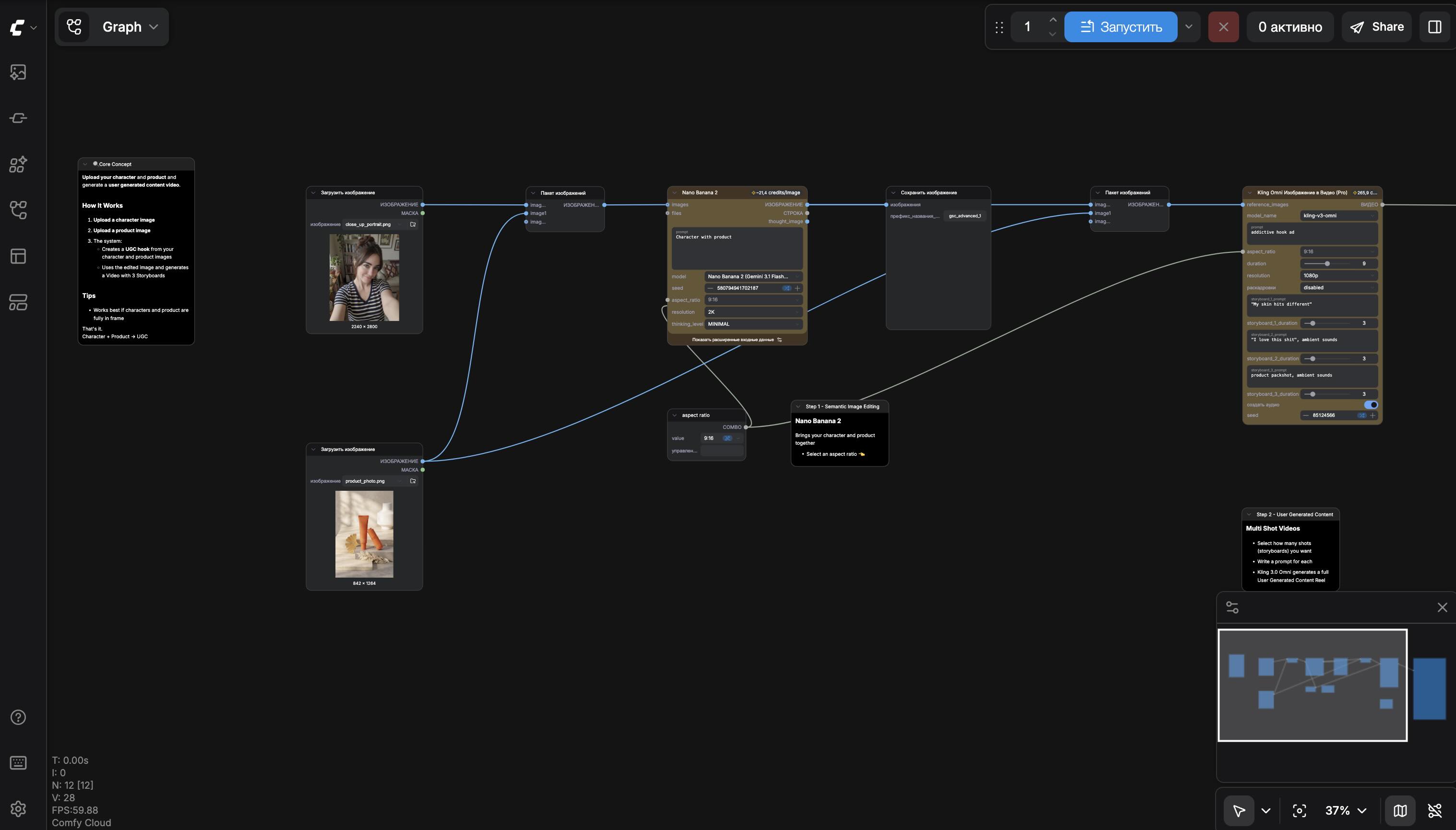
In my opinion, you can always reach the same result in graphics through different paths—some complex, some simple. If the final result is good, choose the method that allows you to be more creative.
And creativity happens when you can do things faster. The higher your speed, the more variations you can afford to try.
Take a "restaurant joint" as an example. You’ve shot a menu with 40 items. You need every dish to follow a unified style, with specific background lighting and tints. You feed the dish into the input node, and the system "paints" it according to your standard.
This is where AI for restaurant marketing really shines, as it allows you to maintain consistent brand visuals with AI across dozens of different menu items simultaneously. By automating this process, you’re basically setting up scalable video content production that ensures every shot looks like it was part of the same high-end session.
You can even go further and build your own systems using agents and LLMs. You can bake protocols into them so the AI checks for you: is the number of dishes in the frame correct? Is the sequence right? Is the visual match there? This is harder than nodes because you don't see the process as clearly, but it allows for "surgical" tuning for a specific client. Though, if you only have one client, building such a system might not be rational.
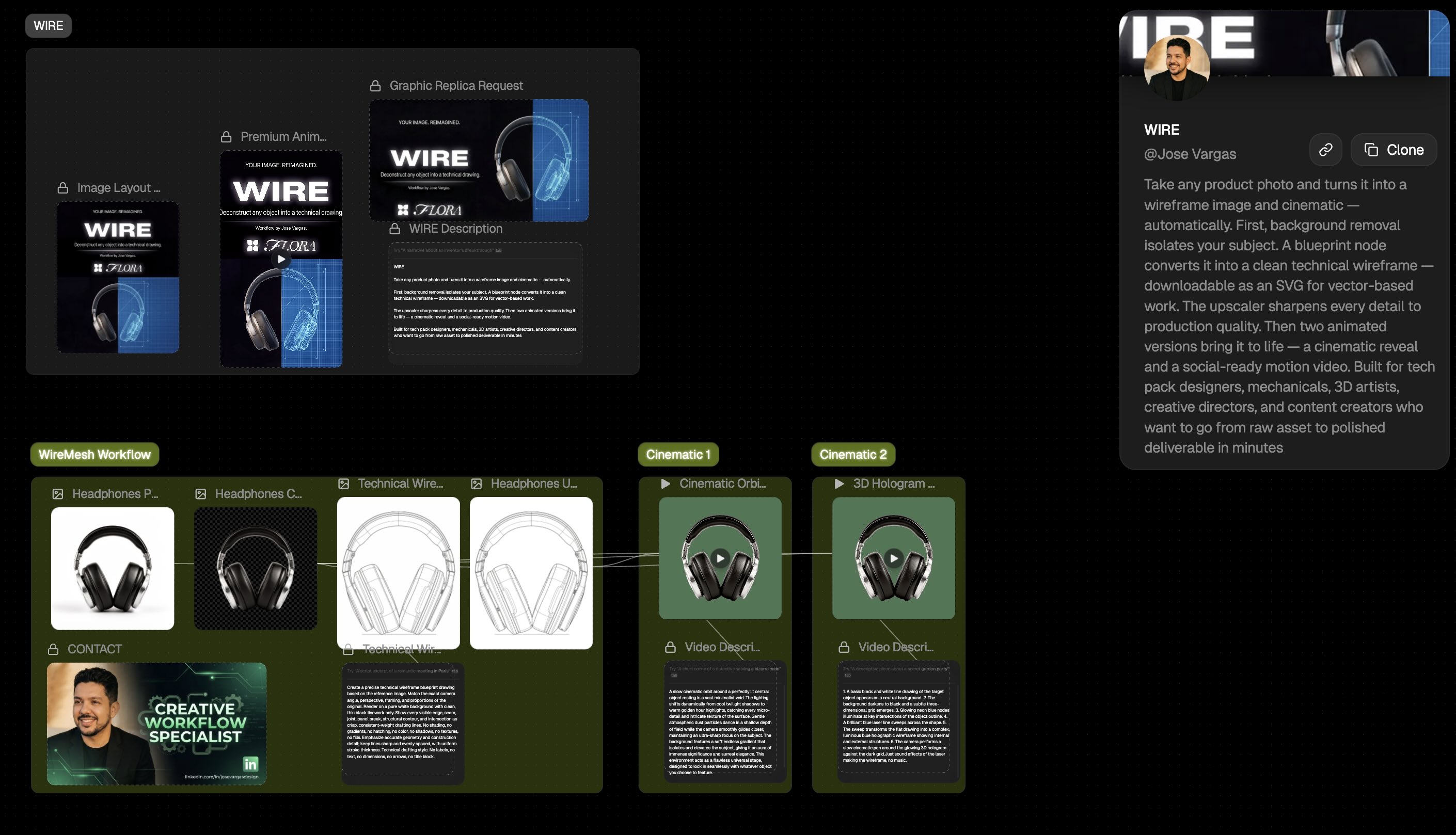
In my own projects, I’m not using nodes for now. I use other mechanisms and develop my own. I mainly focus on video generation, and right now I need something like SVD 2.0 (Stable Video Diffusion). So far, I haven't found a node-based version that offers it at the right price point for me.
I might try it at some point. But for now, my choice is speed and the tools that deliver the required result here and now.
Here is how you can dive deeper:
1) Leverage our expertise: Hire us for professional AI-powered video services to elevate your marketing campaigns.
2) See it in action: Check out my latest case study where he breaks down how he crafted a high-end animated AI video.
3) Master the process: Watch our latest blog episode on what it actually takes to produce AI video (hint: it’s about way more than just having the right AI tools).