AI
What is the Most Realistic AI Video Generator in 2026?
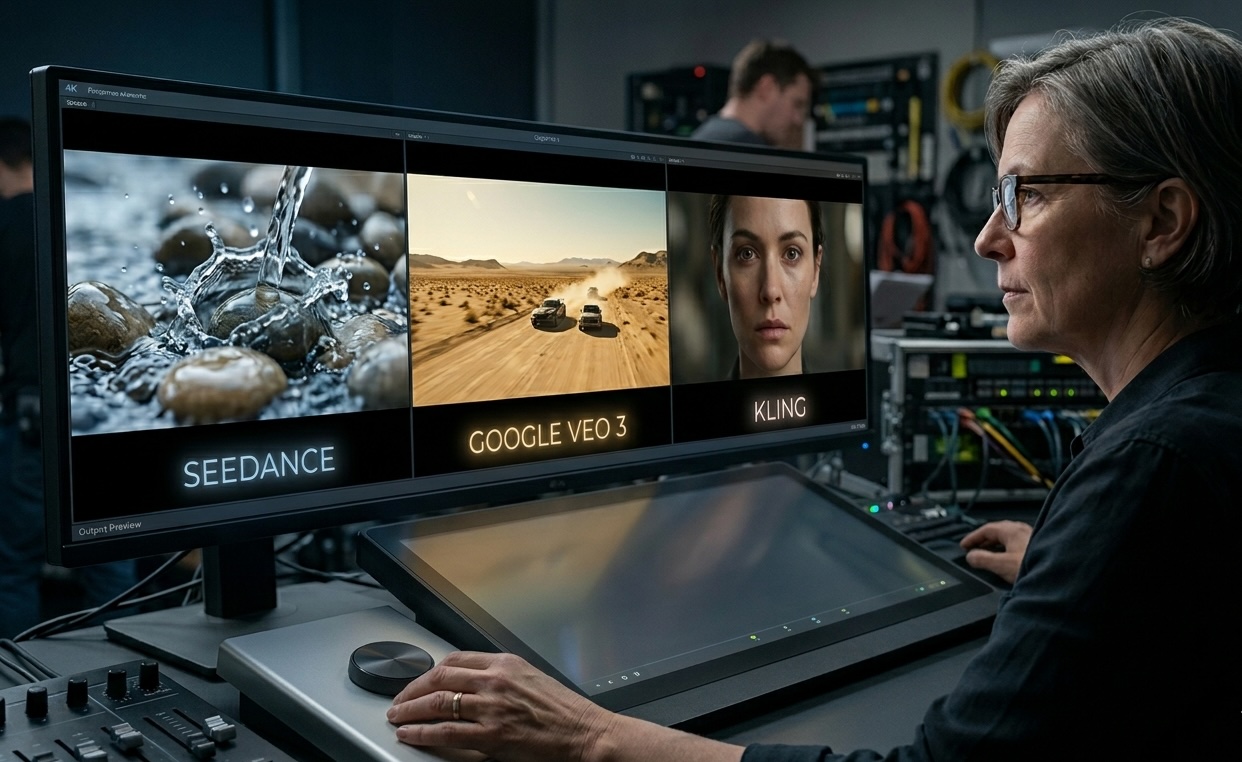
Seedance vs Google Veo 3 / Kling

David
April 28, 2026
This is David—Art Director and AI Video Creator for business.
The AI video production landscape is evolving at a breakneck pace. For marketers and creators looking to stay ahead, partnering with a leading team like Lava Media is becoming essential to navigate this chaos. If you are trying to figure out what is the most realistic ai video generator on the market right now, the competition primarily comes down to a few heavyweights: Seedance, Kling, and Google Veo 3.
However, looking past the viral demos reveals a different reality. Let's break down how these platforms actually perform in hands-on production environments, which models dominate, and where they completely fall apart.
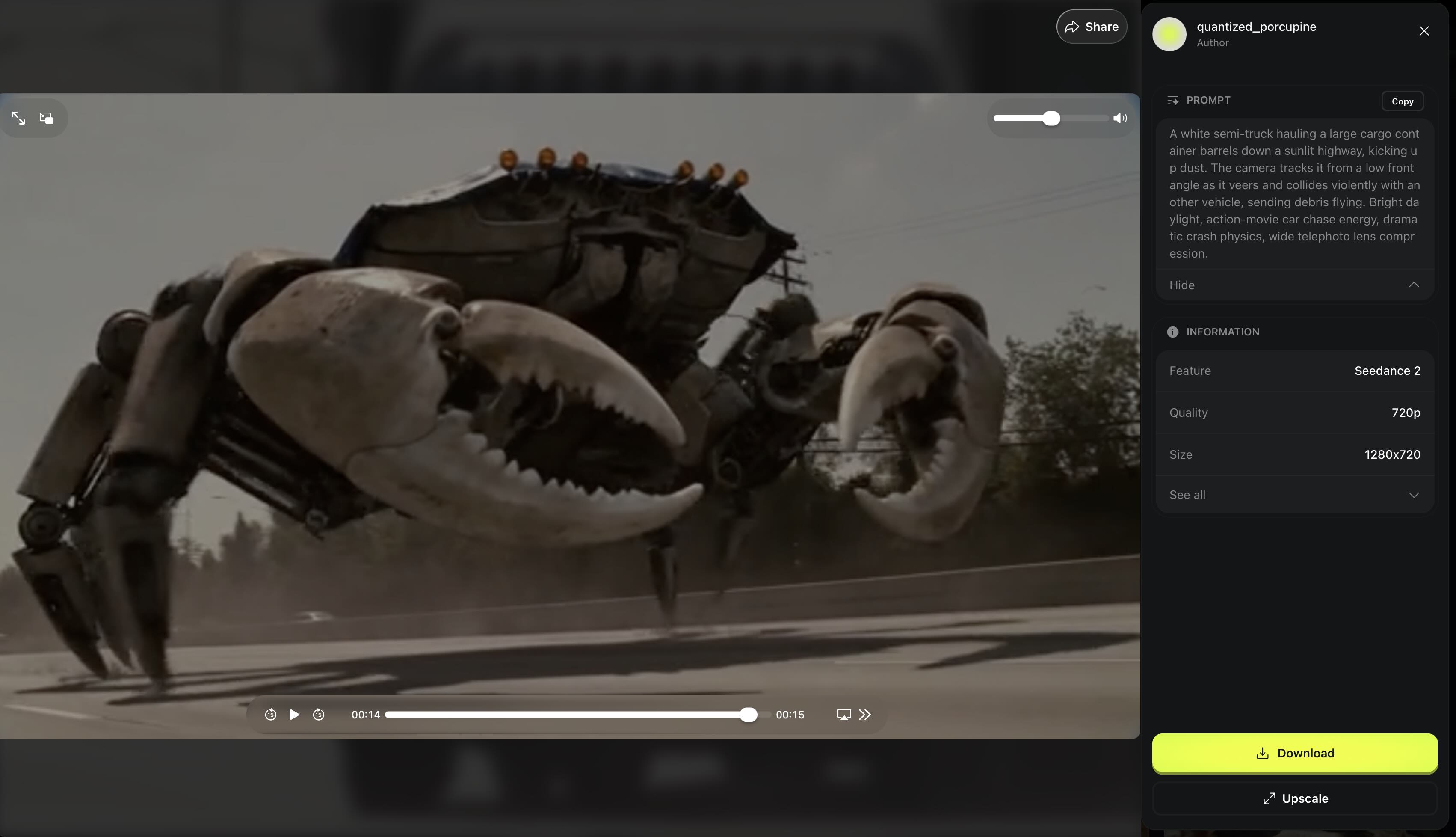
Right now, Seedance is unequivocally the strongest network available. It handles both photorealistic material and complex 2D elements exceptionally well (you can see exactly how we leverage these capabilities in our recent AI video production case study: creating 8-bit animated characters for a gummy brand). Currently, there are practically no "dead ends" when it comes to animating scenes with Seedance. Another massive advantage is its prompt capacity: while most other models restrict you to 500 or 2,500 characters, Seedance allows up to 5,000 characters, giving you the ability to describe incredibly complex and detailed scenes.
Kling (version 2.6) is also a highly capable tool, especially if you are using an unlimited tariff. Kling’s singular major advantage over Seedance right now is its native 4K resolution generation. This is not an upscale; the video is generated in 4K from the start. This drastically improves the quality and detailing of faces, particularly in wide or long shots, because more pixels are allocated to the characters' faces in the background.
The harsh truth? Right now, Veo 3 (and Veo 3.1) is not a competitor to Seedance or Kling at all. The platform desperately needs a major update.
Currently, the only thing Google Veo 3 does well is generating "animal podcasts"—videos featuring talking cats and monkeys. Outside of that highly specific format, it falls completely behind the industry leaders.
When Sora 2 was active, it delivered absolutely insane realism, specifically for footage meant to mimic smartphone cameras. If you needed a video that looked like it was shot on an iPhone—complete with the correct digital noise—Sora 2 was unmatched. It was also famous for highly realistic videos of cats knocking on doors. However, with the platform currently closed off, it is out of the daily production race.
Despite the hype, working with these models requires navigating severe roadblocks. So, what are the limitations of current ai video generation technology in 2026?
Censorship is the single biggest limitation, especially when using Seedance. Your success depends entirely on the platform "wrapper" you use to access it:
Many creators talk about using node-based workflows to fix glitches. However, currently, nodes only offer automation and convenience for imagegeneration. You cannot simply add a "smoke node" to adjust the smoke inside a specific generated video. True, direct video manipulation via nodes does not exist yet; they only act as pre-set templates or "wrappers" to partially automate the process. (For a deep dive into the technical side of this, check out our guide on the node structure in AI video generation).
For AI avatars, HeyGen remains the absolute top tier. If you scan yourself correctly (moving dynamically, breathing naturally, speaking with pauses, and using hand gestures), the result is almost indistinguishable from a real human. However, the limitation lies in the lip-syncing. The dead giveaway is often the contrast and shadows inside the mouth and around the teeth during speech.
Replicating a viral AI video is actually very easy—you just copy the exact prompt and prepare the same input images.
To create something truly unique, you need to rely on human direction. Professionals use tools like ChatGPT or Claude to write strict "protocols" and "skills" to guide the video models. The AI needs to know exactly what vibe you want, how many wide-angle shots to include, and how much camera shake is required.
In 2026, the AI is only as good as the director writing the prompt. Stop wasting hours fighting with AI limitations, artifacts, and censorship. Let the professional production team at Lava Media handle the heavy lifting and deliver broadcast-ready video content for your next campaign.