Corporate
How to Make a Documentary or Mini Documentary for Your Brand
How to make a documentary or mini documentary for a brand, step by step, with lessons from our Vivo and corporate films.

Sergey
November 13, 2026
A documentary for a brand is a strange assignment. The genre lives on real people and unscripted moments, but the film still has to do a marketing job: launch a product, explain a company, make employees proud. Among our recent projects are three mini documentaries for Vivo’s global smartphone launch and two corporate films for an industrial plant. This guide walks through how to make a documentary or a mini documentary for a brand, step by step, with what worked and what went wrong on those shoots.
A documentary-style video tells a true story through real people, real places and observed moments instead of a scripted plot with actors delivering lines. In brand work it usually comes in three sizes:
The three Vivo films sat between the first and the third: 2–3 minutes each, real stories about interesting people, with the phone quietly inside each story.
A brand documentary starts with the same question as any campaign: who will watch it, where, and what should they feel or do after. Vivo’s brief was three films to premiere during the live broadcast of its international product launch, which we also produced. The anniversary film for TECHNOPLEX had to be ready for a live event on a fixed date (we collected other approaches in our post on brand films for a company anniversary). Both premieres set the deadline, the length and the tone before a single hero was cast.
The brief also tells you what the film is not. Vivo did not want specs or a design walkthrough. The ask was stories about interesting people: their profession and their history with the device.
Casting is the hardest part of a mini documentary. For Vivo we needed heroes who genuinely used the phone in their daily work, not just posed with it, and whose work would interest a wide audience. After a lot of back and forth with the client, we chose three:
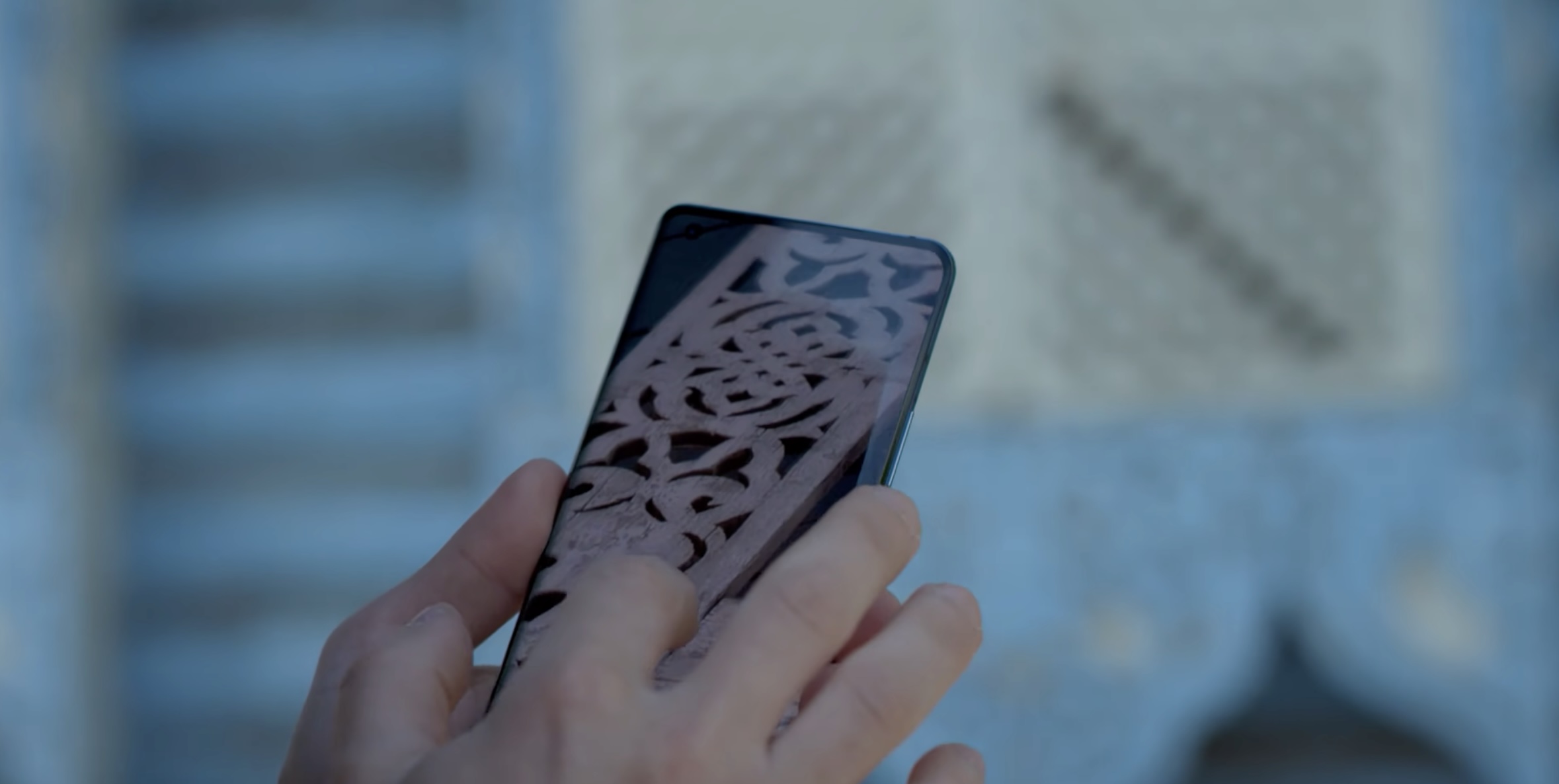
Real life does not always fit a production calendar. We could not get all three heroes free in the same production week, so two of the three films used actors, and we bought full life-story rights from the real people. Only the SUP film stars the actual owner. This is a common and honest compromise in brand documentaries: the story stays true, while the person on screen can change.
The opposite choice can be right too. For the first TECHNOPLEX film an actor played a new employee, with real workers in supporting roles, because an actor gave the scriptwriter more room. For the anniversary film we cast only real workers, because a film about the company’s own people felt false with a hired face. Non-professionals need a director who knows how to make them comfortable on camera, which is why we brought back the director and cameraman who had already worked with that team.
A corporate documentary is only as good as what you learn before the shoot. For TECHNOPLEX, a manufacturer of thermal insulation boards, we interviewed employees from different departments and with different years at the plant about their work, expectations and the future. Those interviews gave us three concepts. The one we shot, working title “The Clock”, showed a plant that runs around the clock like a precise mechanism, and the metaphor became a metronome in the script.
Research is also where you find your references. For Vivo we looked at Visa’s documentary-style commercials: observational, almost essay-like films where the brand sits quietly inside someone else’s story.
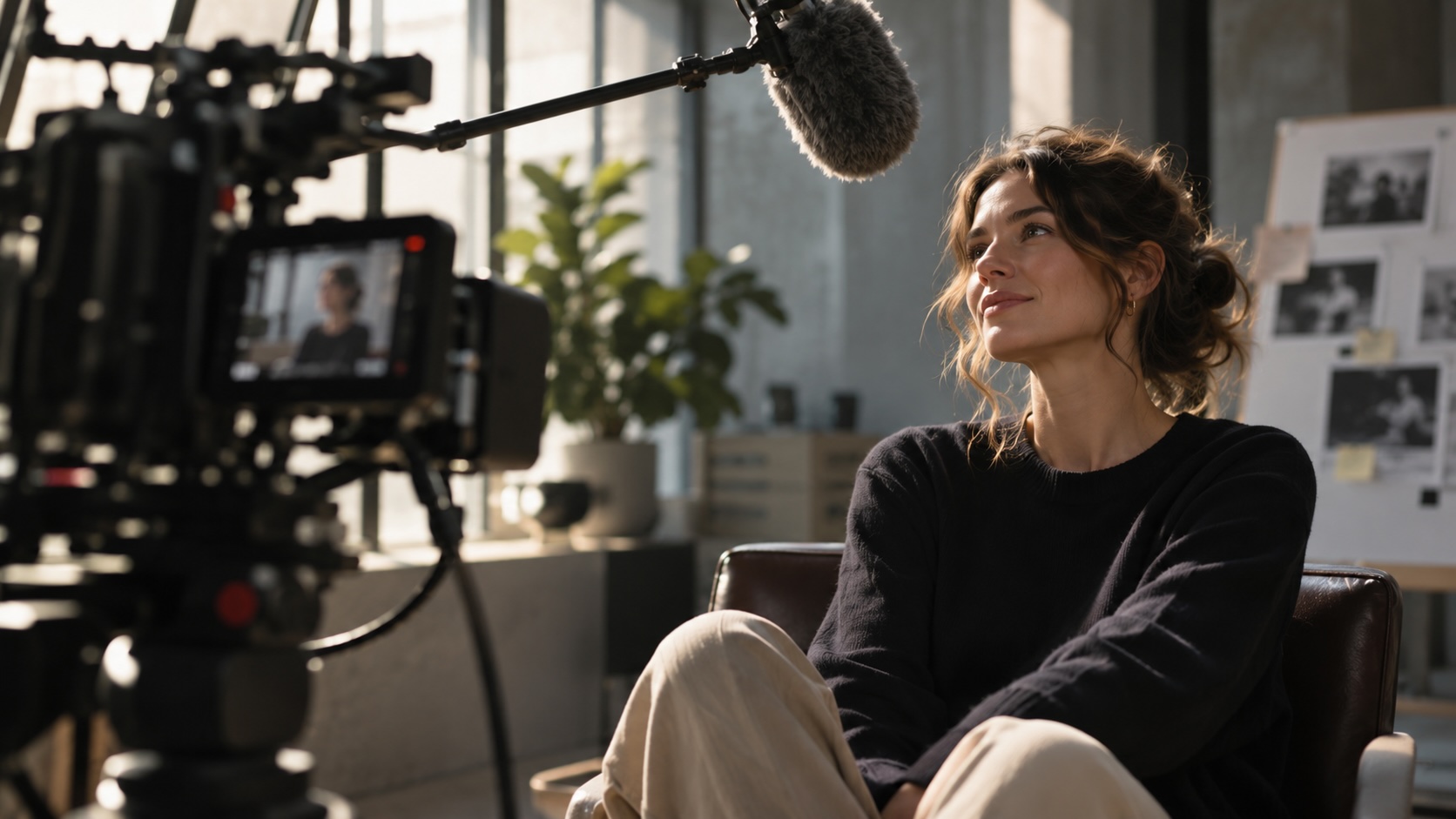
Documentaries still need structure. Before the shoot, write a treatment: the story arc, the key scenes you must capture, the interview questions and the visual approach. For Vivo the director pushed for mostly natural light and steadicam work with a slight handheld feel, enough texture to read as observed rather than staged, even in the films with actors.
The treatment is also where the marketing message lives. Vivo asked us to show its new wireless earbuds alongside the phone, so we built moments for them into each story instead of adding product shots at the end.
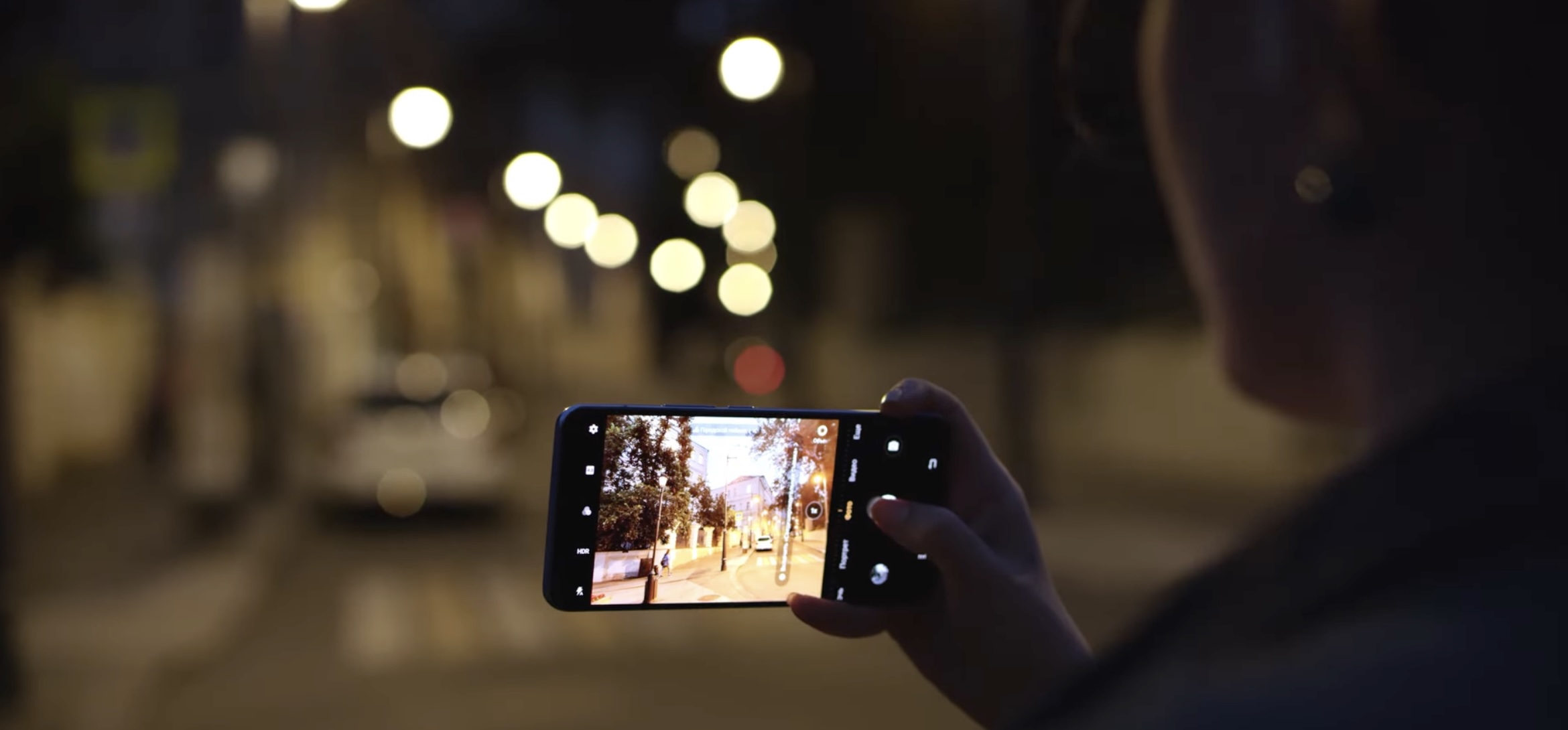
You cannot reshoot a sunset on demand, so the schedule follows the light. We shot the Vivo films mostly in the early morning and evening, avoiding harsh midday sun. In one film the whole schedule was built around the exact minute the city’s streetlights switched on, with our actress photographing the street as it happened. There was no second take.
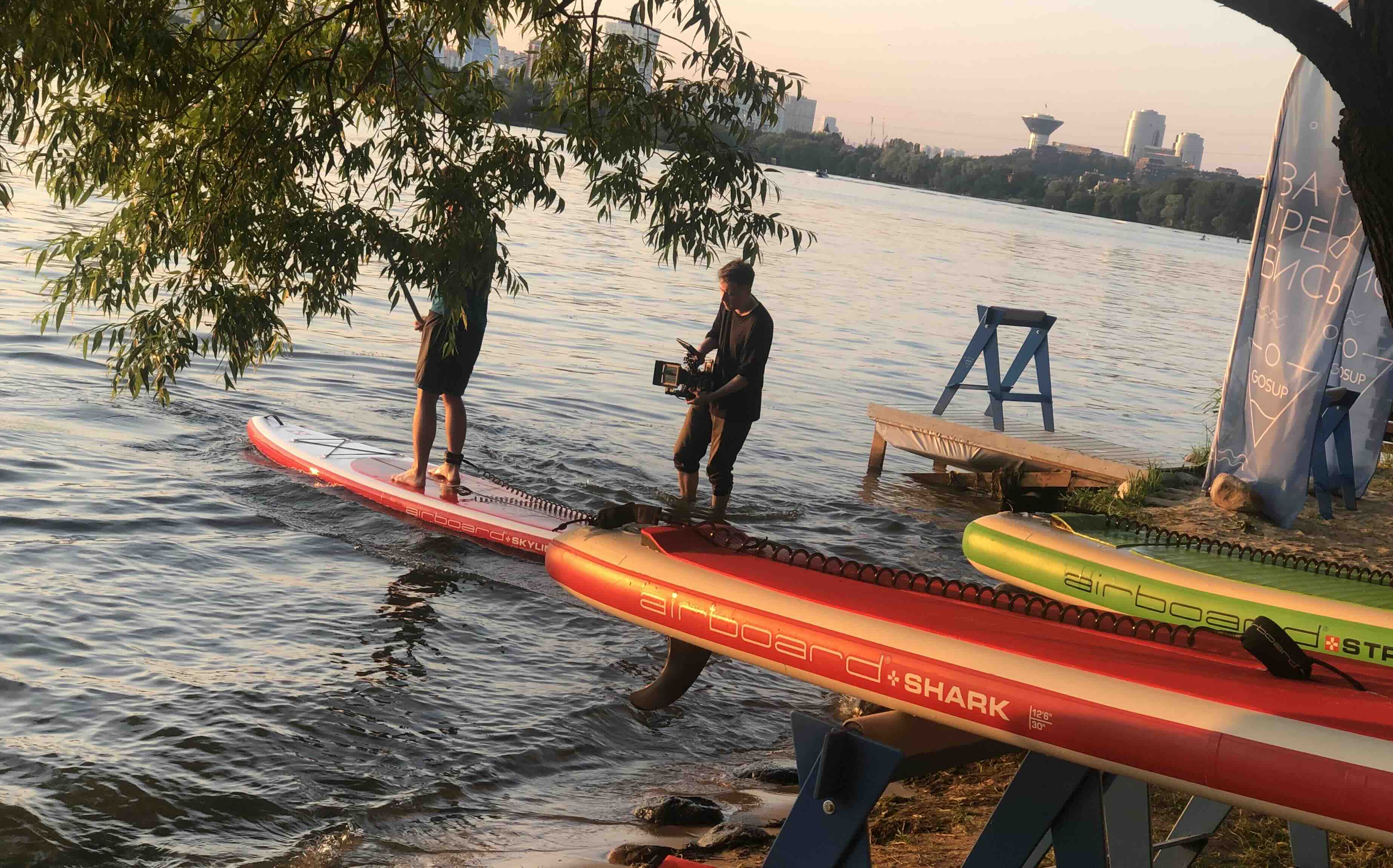
Leave room for the unplanned. On the SUP shoot our operator saw a great angle with no time to rig a tripod, so he walked into the lake with the cinema camera. We had insurance for everything, and the shots made the film. In a factory, plan around production instead: for TECHNOPLEX we agreed the schedule with the plant so we knew exactly when equipment could be switched on or off for us.
Audiences are quick to call a brand documentary fake. In each Vivo film we inserted real photos taken on the phone during the shoot and labeled which Vivo model took each frame. At the time, people on Twitter were debating whether “shot on iPhone” ads had really been shot on iPhone, and we knew Vivo would face the same question. About half of those photos were taken by the heroes themselves and half by our operator.
The same rule works in corporate films. For the TECHNOPLEX anniversary, the client suggested a wall of photographs that come to life. Instead of compositing images in post, we printed every archive photo of equipment, construction and staff and hung them on a real wall. Real objects read as real on camera.
In a documentary the edit is where the story takes its final shape. For “The Clock” we built a first cut with a temporary AI voiceover, so we could judge the structure before recording the real narrator. We went through three rounds of internal revisions, testing music and where the accents fall, before showing the client a rough version. Only after approval did we record the final voiceover and grade the color.
A live premiere has no slack. The anniversary film had to be finished “just in time” for the plant’s event, and the Vivo films had to be ready for the launch broadcast. After the TECHNOPLEX screening, the branch director wrote that the film “resonated with everyone”, and the commercial director thanked the team for “quality and efficiency just in time”.
The three Vivo mini documentaries took two months from brief to delivery. The first TECHNOPLEX film took one month; the anniversary film was made over May and June 2024. Budgets depend on the number of heroes, locations, shoot days and whether you need actors, archive material or animation. Our documentary video production page lists our current packages, and our guide to what corporate video production costs covers the line items.
How long should a mini documentary be?
Usually 2–10 minutes. Our Vivo films ran 2–3 minutes each, which is long enough for one person’s story and short enough for a launch event or YouTube.
What is a corporate documentary?
A film about a company told through its people, history and work, rather than a list of services. It is often made for anniversaries, partner meetings and recruiting.
Can you use actors in a documentary-style video?
Yes, if the story is true and you have the real person’s consent and life-story rights. Two of our three Vivo films used actors for scheduling reasons.
Do you need a script for a documentary?
You need a treatment: the story arc, key scenes, interview questions and visual style. The final story is shaped in the edit.
How do you make a brand documentary feel authentic?
Cast real people, shoot in natural light, film real objects and real moments, and show proof where viewers might doubt you, like labeling which phone took each photo.
If you have a real story, about a customer, a founder or the people behind your product, we can help you find it, film it and turn it into a film that does a marketing job. See our documentary video production services or request a quote.